Academic Lecture by Prof. Ganda Marihot Simangunsong: Controlling the Impact of Blasting in Critical Areas
By Chysara Rabani - Mahasiswa Teknik Pertambangan, 2022
Editor M. Naufal Hafizh, S.S.
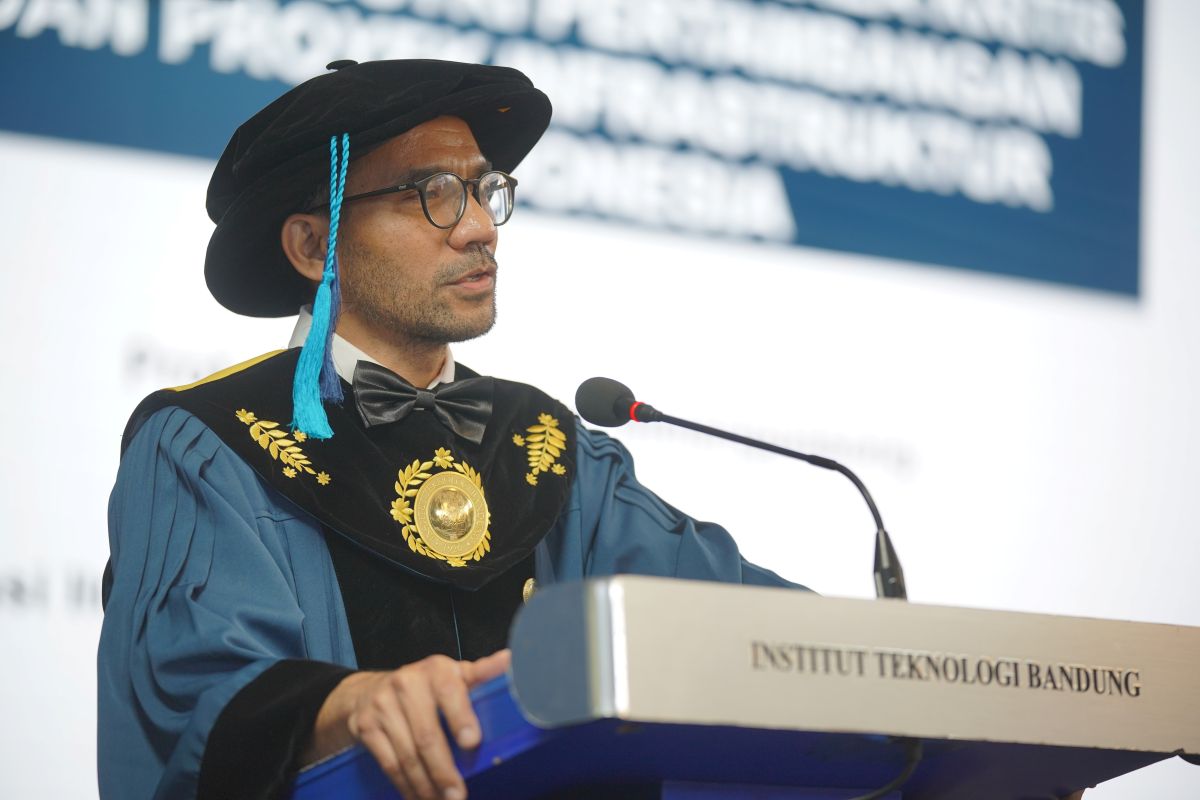
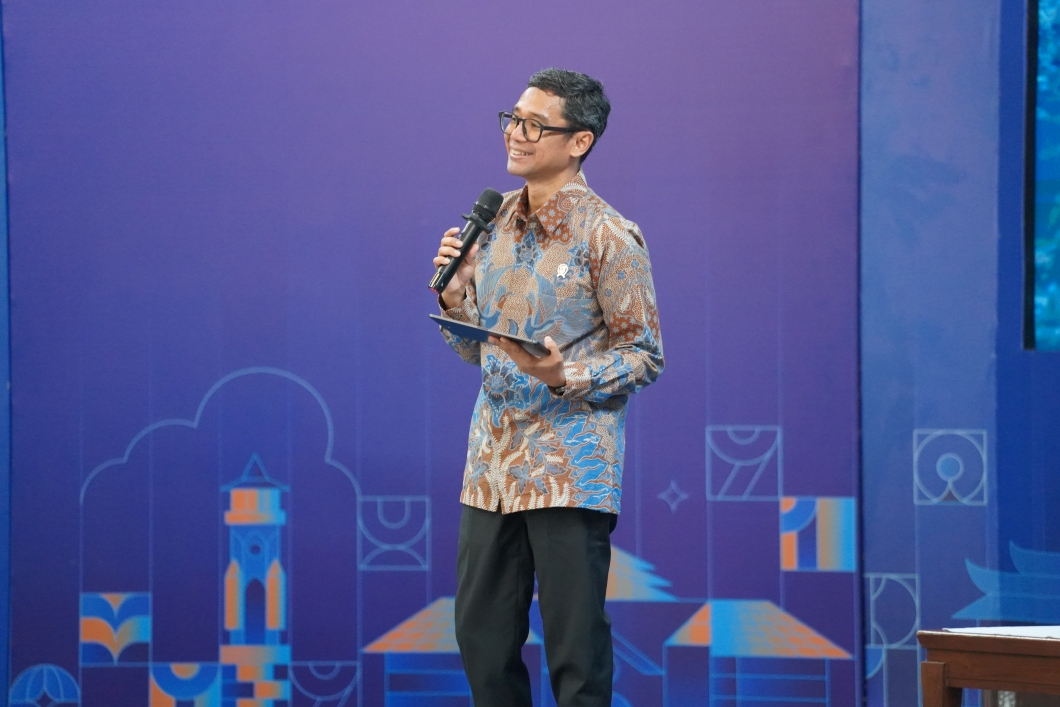
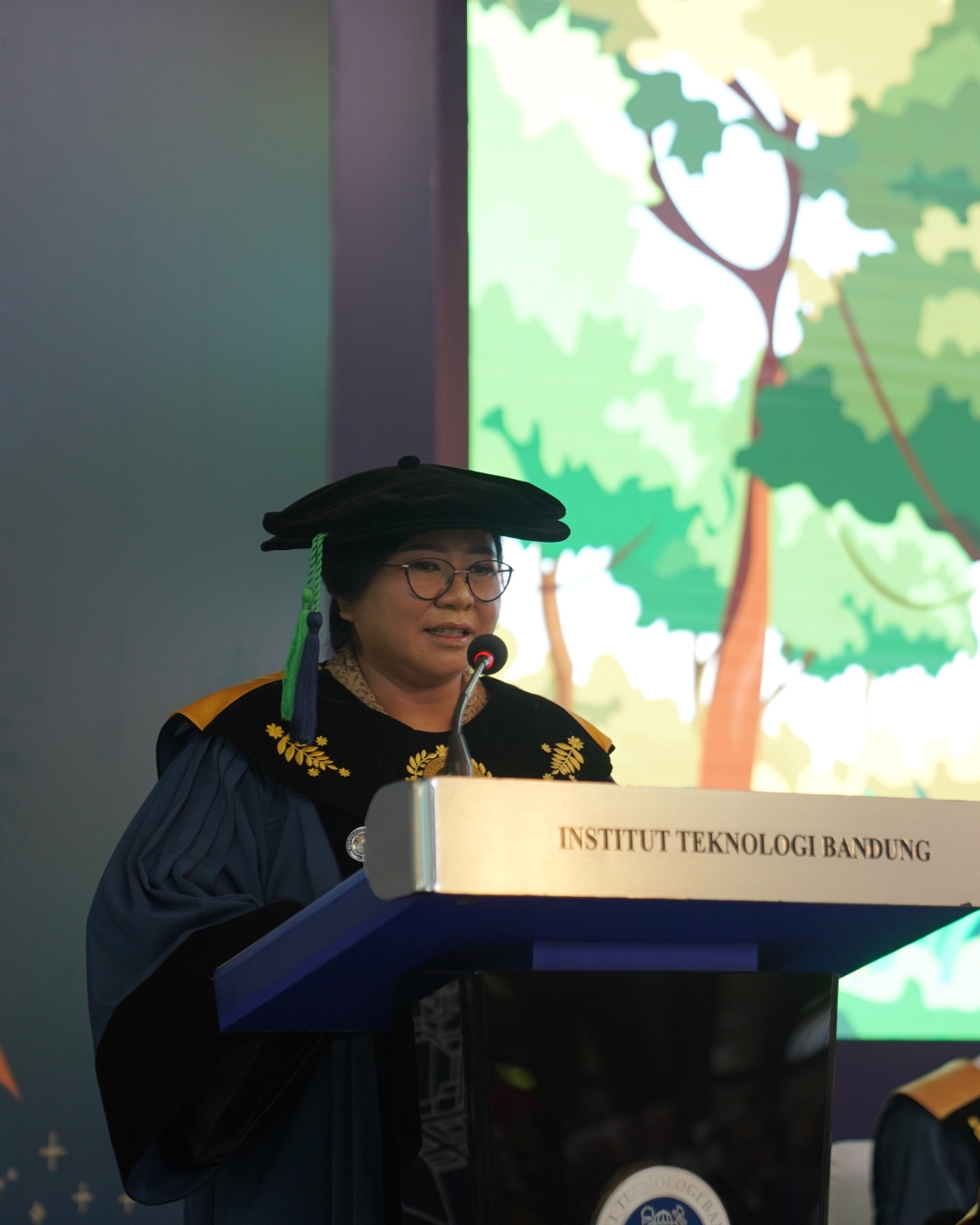
BANDUNG, itb.ac.id – The Professors’ Forum of Institut Teknologi Bandung (ITB) organised a Professorial Lecture in the West Hall, ITB Ganesha Campus, on Saturday (8 August 2026). On this occasion, Prof. Dr.Eng. Ir. Ganda Marihot Simangunsong, S.T., M.T., IPM. from the Faculty of Mining and Petroleum Engineering (FTTM) at ITB delivered a lecture entitled “Blasting Techniques in Critical Areas within the Mining Industry and Infrastructure Projects in Indonesia”.
Prof. Ganda explained that blasting is a crucial method for rock excavation, particularly when dealing with extremely hard rock and large excavation volumes. Although mechanical excavation is more flexible and relatively safe, this method has its limitations when dealing with high-strength rock.
“When we are dealing with extremely hard rock, mechanical excavation is no longer effective. That is where blasting is required as an effective method of rock removal, particularly when the volume of rock to be excavated is very large,” said Prof. Ganda.
This need is evident on the scale of Indonesia’s mining production. To produce around 50 million tonnes of coal per year, the overburden that must be removed can reach around one million BCM per day. This volume is equivalent to excavating a football pitch to a depth of around 140 metres. Consequently, blasting has become one of the key methods for achieving efficient rock removal.
Blasting as an Engineering Process
Prof. Ganda explained that explosives are chemical substances or mixtures that produce an explosion when initiated. The reaction occurs extremely rapidly and can generate speeds of up to around 10,000 metres per second. However, the safety of blasting is not determined solely by the explosive material itself.
“Whether or not explosives are safe depends heavily on our knowledge of how to control them,” he said.
According to him, blast design is an integrated process that takes into account the properties of the rock mass, equipment, costs, type of explosive, geometry, delay times, and initiation patterns. The success of a blast is not merely about achieving demolition, but is also determined by safety, fragmentation, and environmental impact. Particularly in critical areas, the impact of blasting must be minimised through appropriate design and monitoring.
Managing Impact in Critical Areas
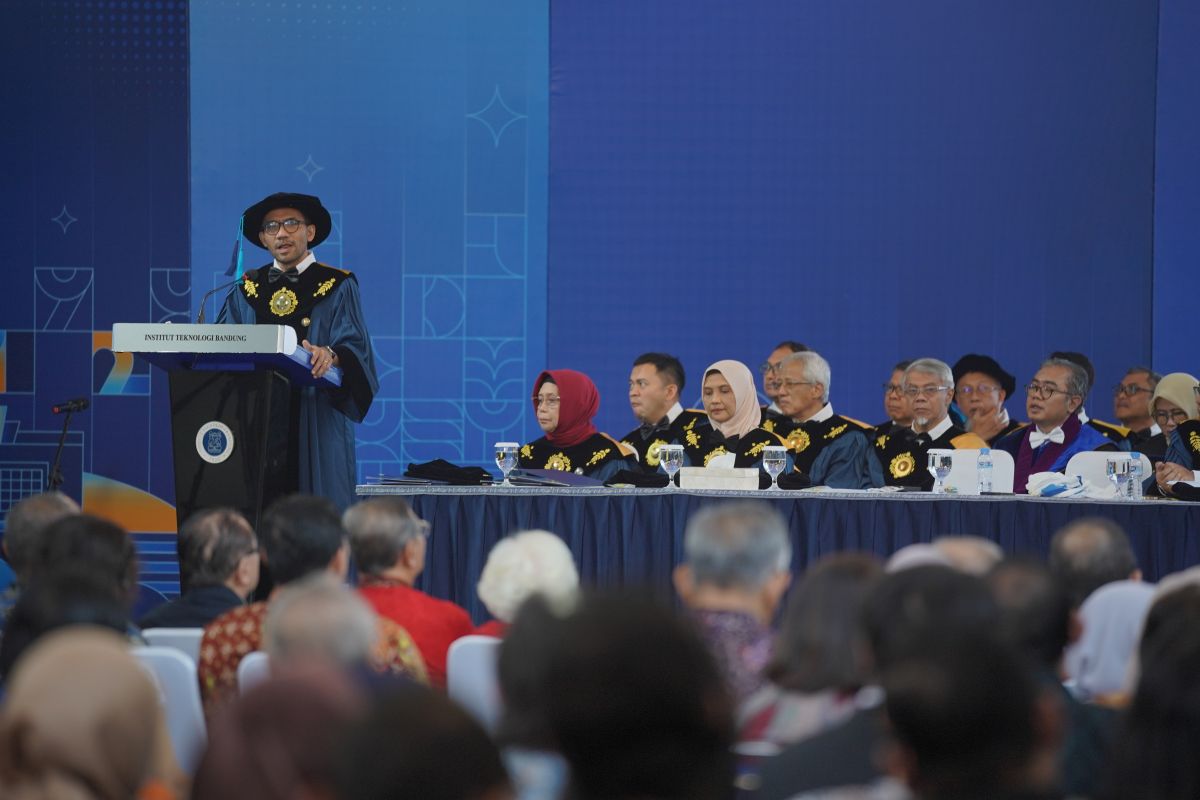
Prof. Ganda outlined his experience in a number of projects, including PT Freeport Indonesia in Papua in 2017–2018 and the construction of the Jakarta–Bandung High-Speed Rail in 2019–2020.
At Tunnel 11 of the Jakarta–Bandung High-Speed Rail in West Bandung, the main challenge was the tunnel’s proximity to residential areas. Public concerns over damage to homes even led to demonstrations.
To address this, the blasting design was adapted through the use of cartridge-shaped emulsion explosives, longer delay times, smaller explosive charges per borehole, and the division of blasting into several segments. Site conditions were also monitored through measurements of ground vibrations, air blasts, crack widths and surface movements. The results were then compared with the initial conditions and showed no significant changes.
Another case study was carried out at PT Borneo Indobara, South Kalimantan, between 2020 and 2024. On one of the slopes, blasting was prohibited within a 500-metre radius due to the risk of landslides.
To address this, ‘signature hole’ analysis was used to understand the characteristic vibration patterns of the rock mass. This information was used to optimise the delay pattern so that the waves from each blast hole would not reinforce one another, but would instead weaken each other through destructive interference.
The resulting vibration predictions were then used in dynamic slope stability analysis to determine the relationship between the explosive charge and the distance from the slope. This approach yielded recommendations for a more optimal firing pattern whilst also offering a new method for controlling vibrations from staged blasting.
Opportunities for Technological and Skills Development
Prof. Ganda views the limitations of monitoring technology in Indonesia as an opportunity to develop high-quality domestic monitoring products. On the other hand, the skills gap amongst the workforce creates scope for training and certification of sub-specialists in the fields of blasting engineering, geotechnical engineering and environmental monitoring.
“Although the implementation of best practices requires an initial investment, the long-term benefits in the form of reduced risks of damage, public complaints and production disruptions can lead to cost efficiencies,” he said.
Profile of Prof. Ganda Marihot Simangunsong
Prof. Dr.Eng. Ir. Ganda Marihot Simangunsong, S.T., M.T., IPM. is a Full Professor in the Mining Engineering Group at the Faculty of Mining and Mineral Technology (FTTM), ITB, specialising in rock excavation and blasting. He currently also serves as Head of the Geomechanics and Mining Equipment Laboratory.
He completed his undergraduate and master’s degrees at ITB and Montanuniversität Leoben, Austria, and obtained his doctorate from Kyushu University, Japan. Prof. Ganda has produced one reference book, one patent, 73 international publications and 17 national publications. His research focuses on mining blasting, tunnel blasting and geotechnics.
In recognition of his contributions, he has received the Innovation Award, the Young Scientist Award, and the Satyalencana Karya Satya 10-Year Award. Outside of his academic activities, Prof. Ganda is a keen triathlete and has set himself the goal of completing 50 marathons.