In a World First, ITB Develops Peptone from Black Soldier Fly Larvae to Reduce Import Dependence and Organic Waste
By DRI -
Editor M. Naufal Hafizh, S.S.
.jpg)
JATINANGOR, itb.ac.id — A research team from the School of Life Sciences and Technology, Institut Teknologi Bandung (SITH ITB), has developed locally sourced peptone from black soldier fly (BSF) larvae. The innovation aims to reduce Indonesia’s dependence on imported peptone while offering a sustainable solution for organic waste management.
The research, titled “Production of Protein Hydrolysate from Black Soldier Fly Larvae as an Alternative to Commercial Peptone,” is led by Dr. Ir. Muhammad Yusuf Abduh, M.T., of the Agrotechnology and Bioproduct Technology Research Group at SITH ITB, with the involvement of students and alumni. The innovation is expected to benefit microbiology laboratories, biotechnology companies, biofertilizer producers, and communities by reducing organic waste that can be used as feed for BSF larvae.
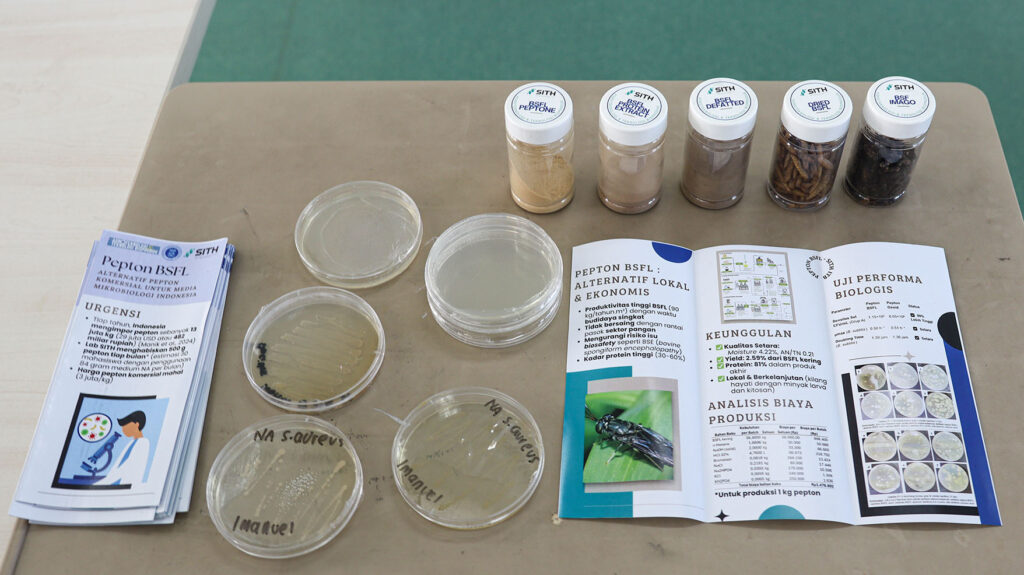
Peptone is an important source of nutrients used as a microbial growth medium in laboratory activities and biotechnology production processes. However, Indonesia currently relies on imported products to meet its demand, with commercial peptone costing approximately IDR3 million to IDR5 million per kilogram.
According to Yusuf, these conditions encouraged his team to develop peptone from locally available resources that also offer environmental benefits.
“Currently, all peptone is imported, and none is produced domestically. Therefore, we are innovating to produce peptone from local biomass, specifically black soldier fly larvae,” he said at the SITH ITB Laboratory on the ITB Jatinangor Campus, Friday (19/6/2026).
Based on estimates from the research, Indonesia’s annual demand for peptone reaches 13.9 million kilograms. This substantial demand highlights the significant opportunity to develop domestically produced peptone.
Connecting the Biotechnology Industry with Waste Management
.jpg)
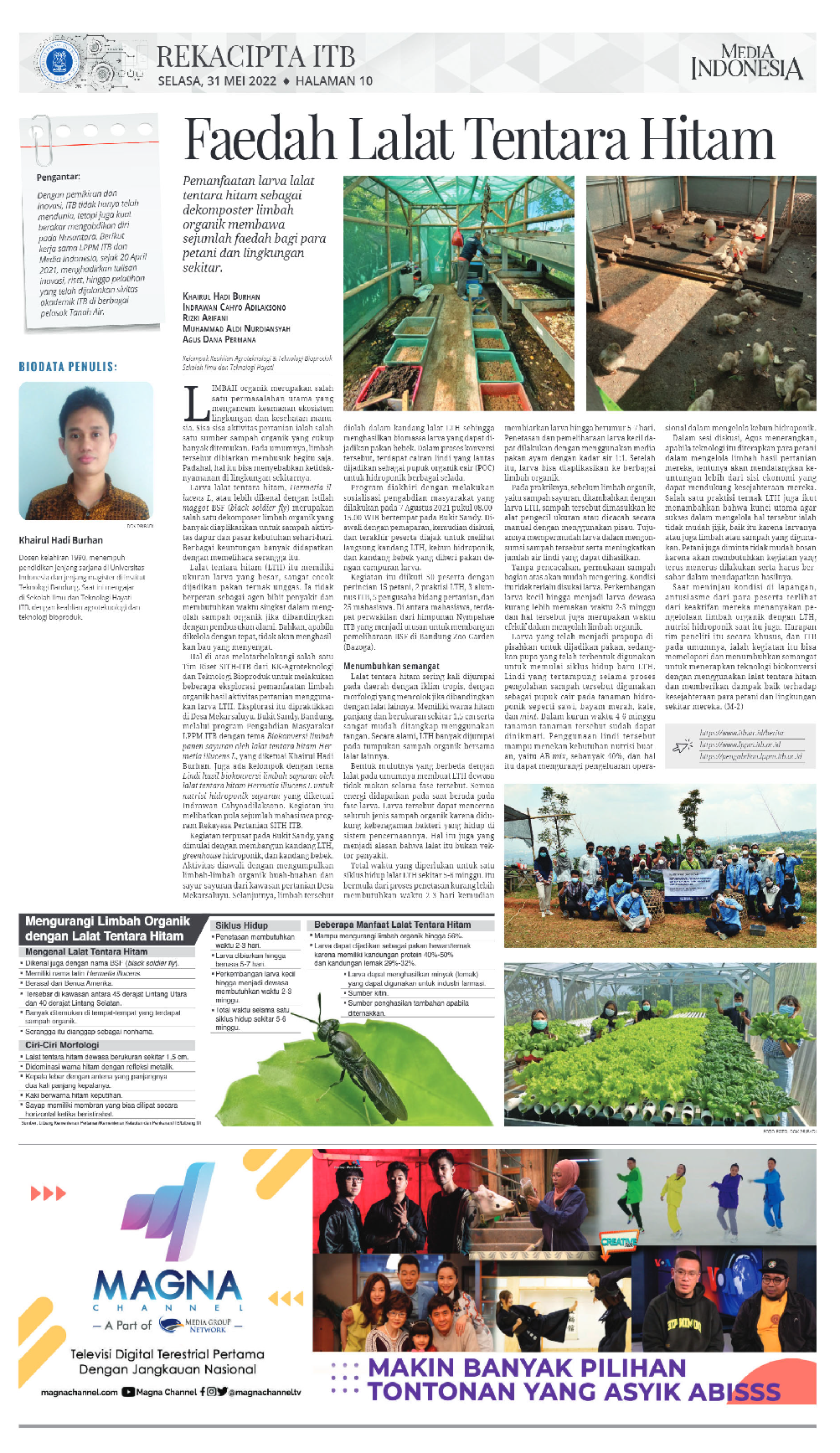
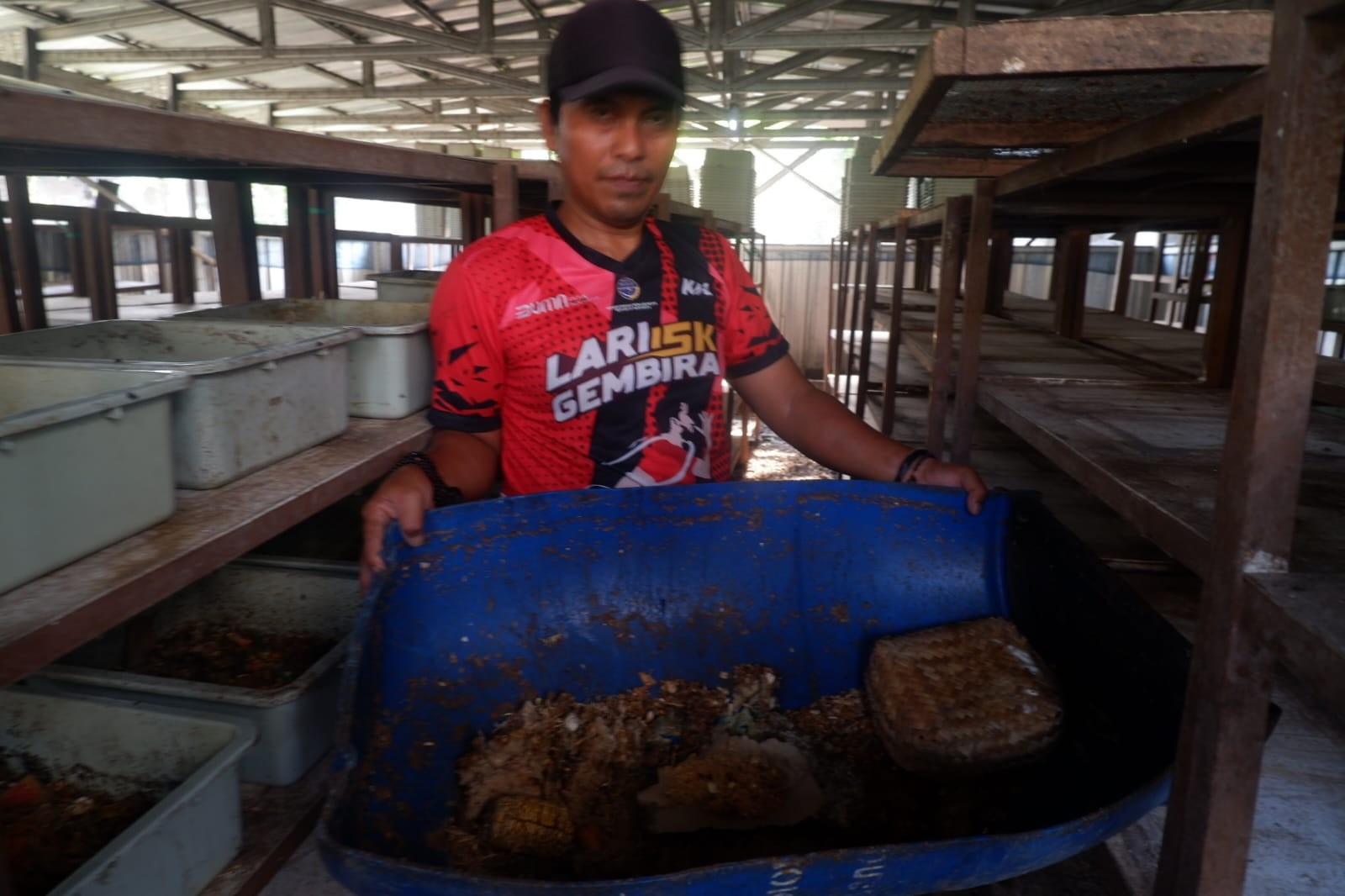
The use of BSF larvae provides added value because the insects can consume and break down various types of organic waste. Therefore, developing peptone from BSF larvae not only provides a raw material for the biotechnology industry but also creates opportunities to implement a circular economy.
BSF larvae cultivated using organic waste can be processed into a protein source and subsequently used as the main ingredient for peptone. This approach could help reduce the volume of organic waste in communities while creating products with economic value.
The innovation is also expected to reduce production costs for various microbial-based products, including liquid organic biofertilizers. More affordable locally produced peptone could support the growth of microorganisms required in biofertilizer production.
Opening Opportunities for Commercialization
.jpg)
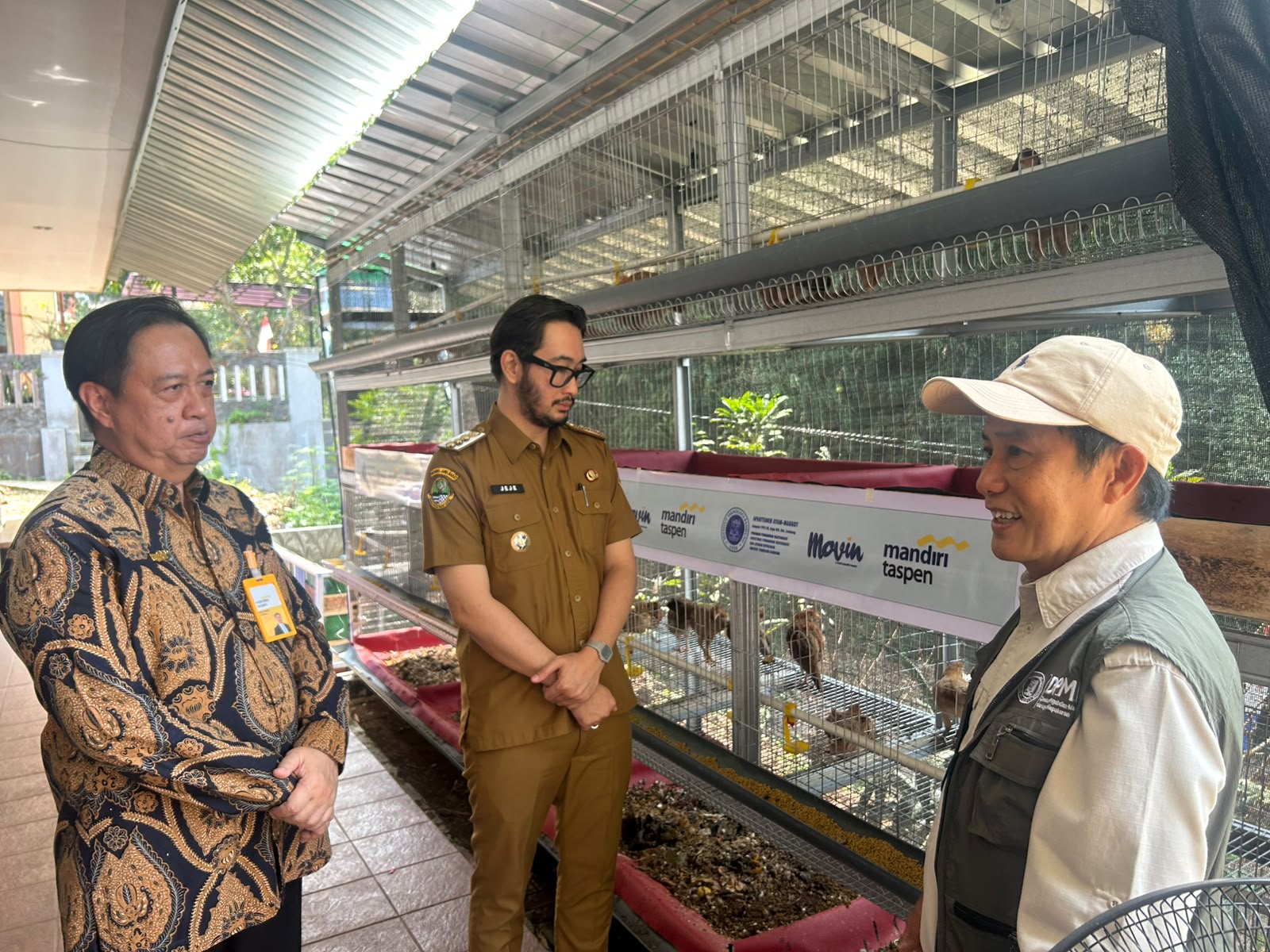
Yusuf hopes the research can advance toward commercialization through partnerships with industry and investors. The high demand for peptone, combined with the absence of similar insect-based products, presents an opportunity for Indonesia to introduce a new innovation to the biotechnology market.
“We hope this research can be commercialized and attract investors. We aim to become the first producer of insect-based peptone, particularly from black soldier fly larvae, so that this innovation can help address waste-related problems while supporting the growth of Indonesia’s biotechnology industry,” he said.
.jpg)
The development of peptone from BSF larvae demonstrates how university research can address multiple challenges simultaneously, including dependence on imported materials, the high cost of biotechnology production, and organic waste management. This innovation also has the potential to strengthen national industrial self-reliance, create new economic opportunities, and promote more sustainable environmental management.
.png)
.jpg)
.jpg)
.jpg)
.jpg)