INDDEX 2026 Invites the Public to Explore the Ideas Behind ITB's Product Design Works
By Vito Egi Nandriansyah - Teknik Geofisika, 2021
Editor Muhammad Efriza Pandia
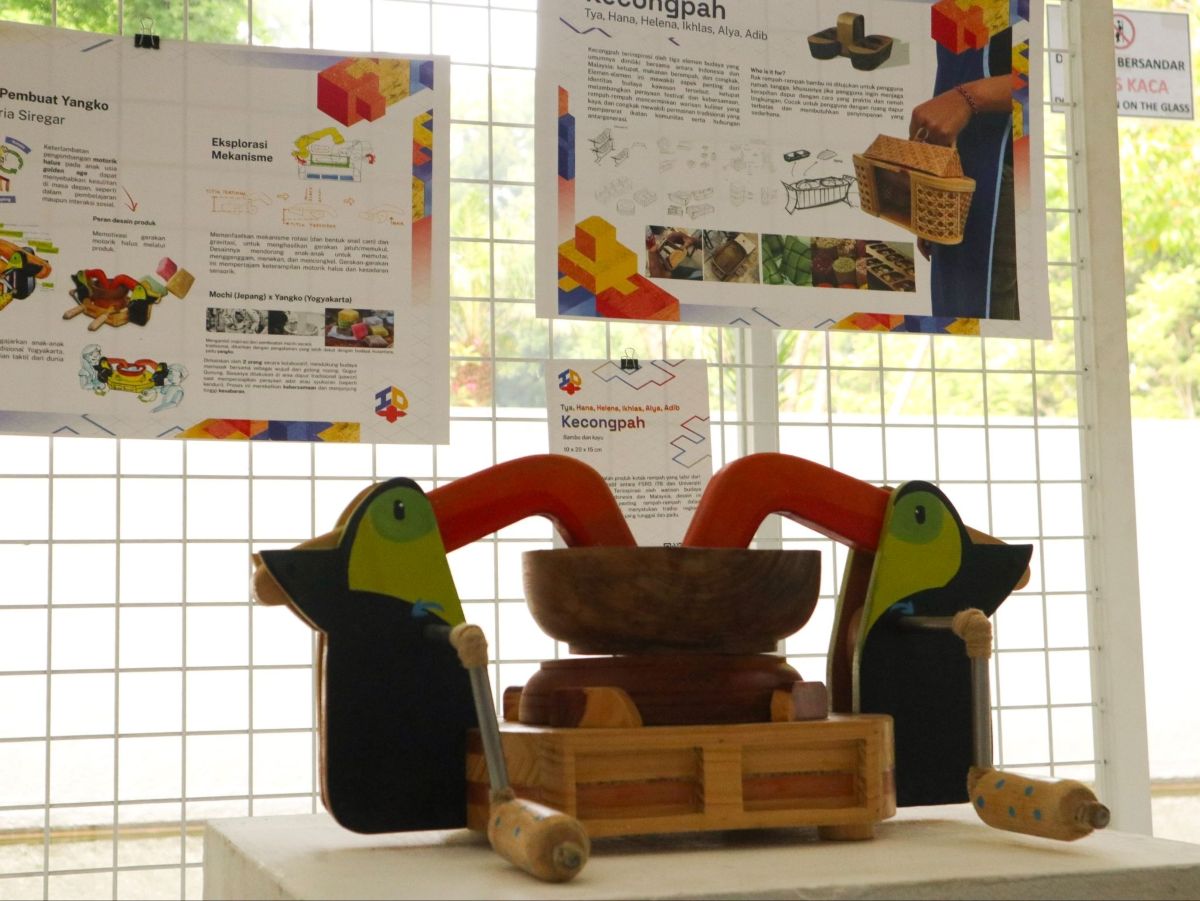
BANDUNG, itb.ac.id — Product Design students from the Bandung Institute of Technology (ITB) held another Industrial Design Exhibition (INDDEX) 2026 on May 20–22, 2026, at the East CC Building and Love Field, ITB Ganesha Campus. Carrying the theme "Interlocking Ideas," this annual exhibition serves as a space for appreciating academic work as well as a means of public education to understand the thought process behind a product.
INDDEX is an annual academic exhibition for ITB Product Design students that has been held since 2021. The chief executive of INDDEX 2026, Geraldine Krisdya Putri, explained that this year's event is a form of continuity as well as a responsibility of students in providing a space for appreciation for works born from the studio-learning process.
“INDDEX is here to answer the need for exposure." This exhibition provides students with exposure to their work. Through this exhibition, students can showcase the design processes, thinking, and development they've been working on in the studio and in class," said Geraldin.
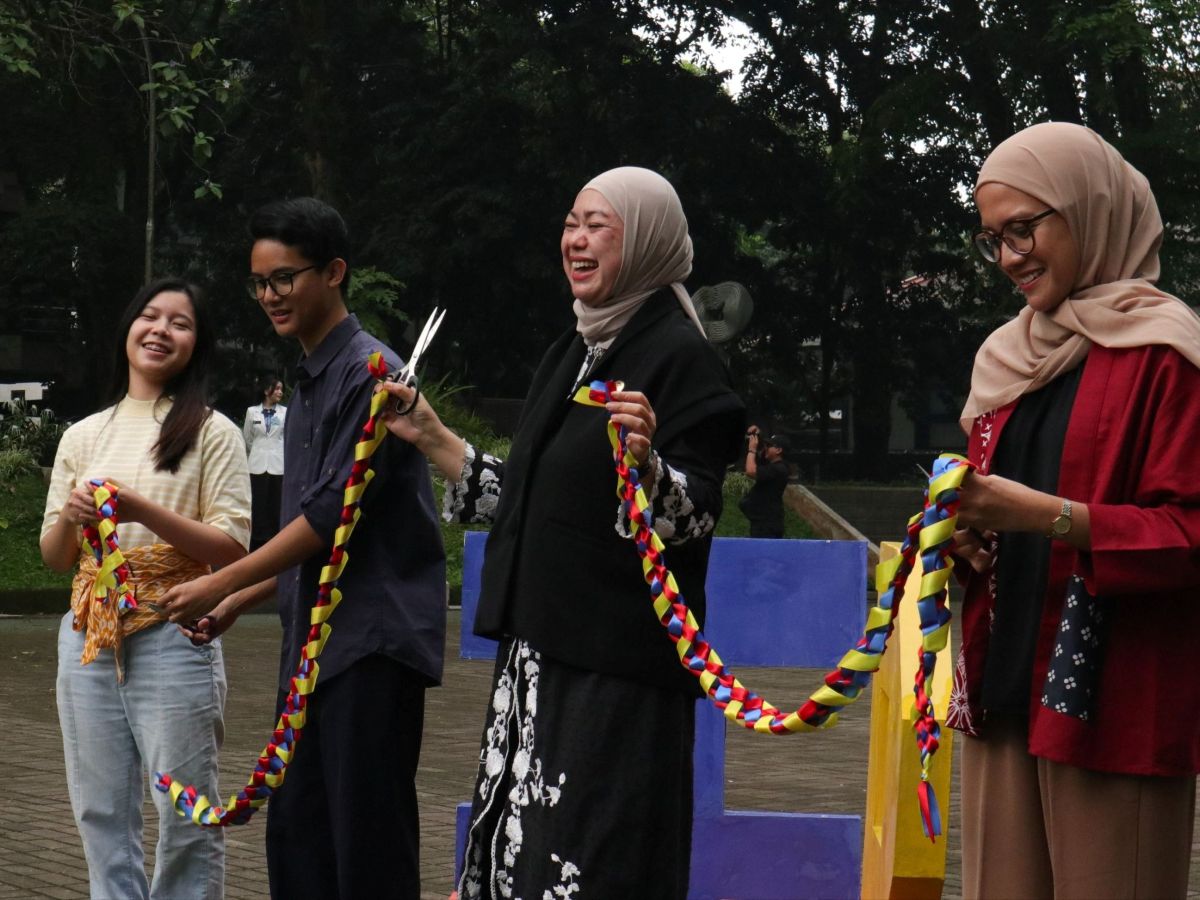
More than just an exhibition of artworks, INDDEX 2026 also aims to broaden the public's understanding of the broad scope of product design. Geraldin stated that many people still understand design only in terms of visual appearance or consider product design solely related to packaging. However, this field encompasses various aspects, from furniture and automotive to medical devices, electronics, household appliances, and materials to system development and user experience.
Her "Interlocking Ideas" was chosen to illustrate that design work is never born instantly. Behind a single product lies a series of interconnected ideas, research, exploration, experiments, and thought processes. Through this theme, visitors are invited to see design not just as a final object but as a journey of ever-evolving ideas.
"This theme aims to demonstrate that product design is not just about the end result or aesthetics, but also about how a designer understands people, reads the context, formulates problems, and then iteratively develops solutions," said Geraldin.
The narrative is translated into four main clusters, namely "Connecting with Others," “Connected with Nature," “Related to Taste," and “Linked by Traces." These four clusters demonstrate how design can emerge from societal needs, learn from nature and the sustainability of materials, build emotional connections between people and products, and translate local culture and knowledge into contemporary contexts.
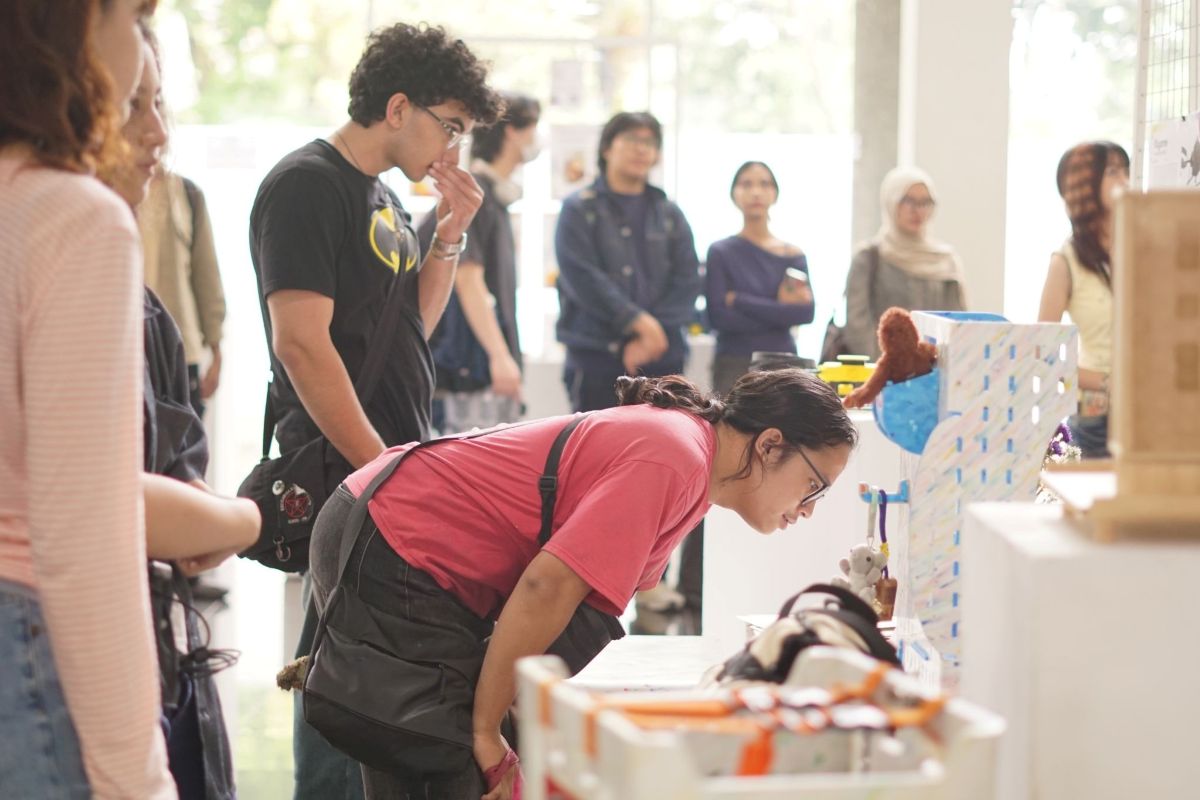
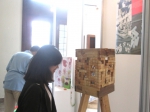
One of INDDEX 2026's strengths lies in its emphasis on the design process. Visitors not only see the final product but can also follow the journey of an idea through posters, LED panels, sketches, narratives, and QR codes linked to student presentations or assignments. This way, the public can understand how an idea develops from observation, problem formulation, ideation, and prototyping to the final product.
Geraldin explained that this approach differentiates INDDEX 2026 from previous editions. This year, the exhibition will not only focus on the students' work but will also provide more space for the students' thinking process, exploration, and design development.
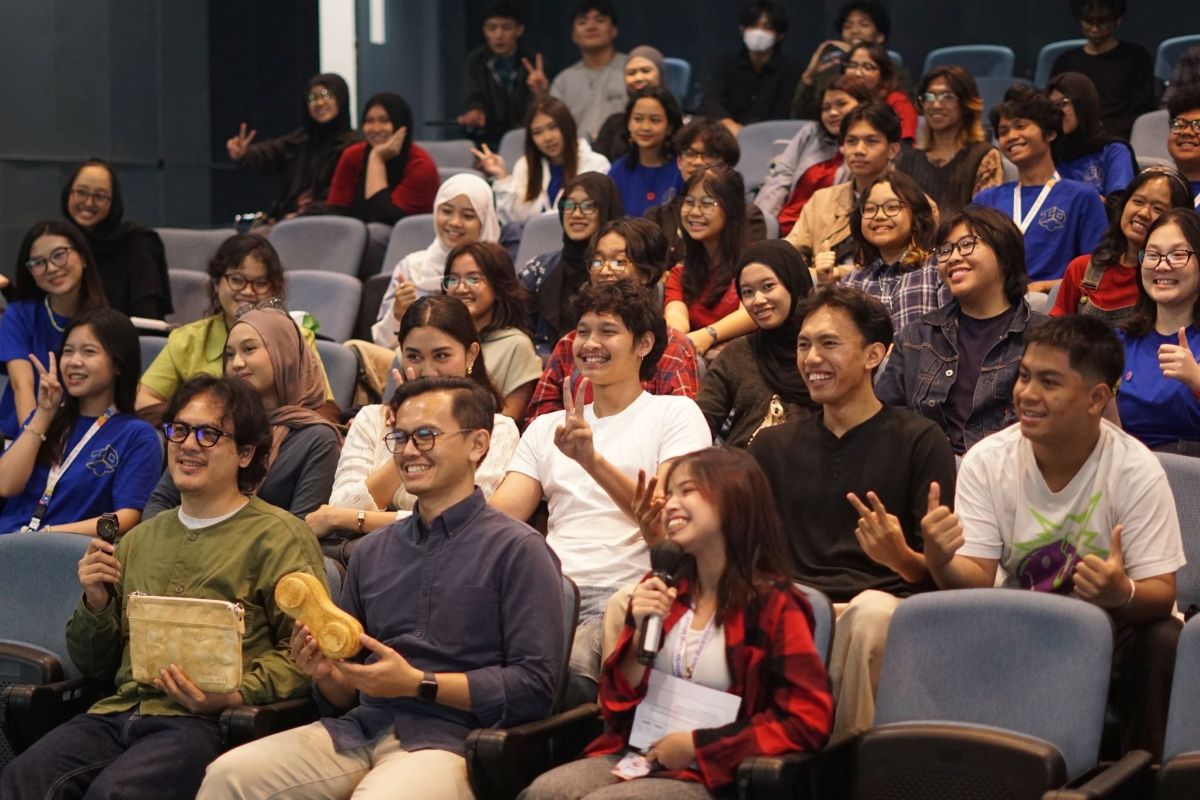
In addition to the main exhibition, INDDEX 2026 also presents a series of activities, such as INDDEXTalks, a design forum, student talks, a workshop, a bookbinding workshop, a photography workshop, a furniture competition presentation, and Senggol Market. This year's INDDEXTalks series also discussed the world of product design careers and professions, including sustainability issues in the creative industry, by presenting speakers from various backgrounds, such as Robbi Zidna from Mycotech and Slamet Riyadi from PALA Nusantara.
For students, INDDEX serves as a space for appreciation and evaluation. Work that was previously confined to the studio can now be seen, read, and responded to directly by the public. Students also learn to present their work professionally, explain their design thinking process, and understand that a product is judged not only by its final form but also by the research, relevance, and solutions offered.
"Through INDDEX, we hope the public can see that behind every product lies a process of research, consideration, and in-depth thought. So, product design isn't just about form but also about function, experience, and impact on life," said Geraldin.
Geraldin added that each event at INDDEX 2026 was designed to complement each other. The exhibition served as the main focus, showcasing the students' work and design processes in their entirety. Meanwhile, the forums, student talks, workshops, and Pasar Senggol (Senggol Market) provided a more interactive, relaxed, and relatable experience.
Through INDDEX 2026, ITB Product Design students not only showcased their academic achievements but also demonstrated how design can be a medium for understanding problems, developing ideas, and devising solutions. This exhibition also serves as an invitation for the public to see products not as mere objects, but as the result of a thought process connected to humans, nature, taste, culture, and the needs of the times.
Reporter: Vito Egi Nandriansyah (Geophysical Engineering, 2021)
.jpg)
.jpg)
.jpg)
.jpeg)
.jpg)
.jpg)
.jpg)