ITB Showcases Commercially Viable Innovations at KSTI 2026 to Support National Self-Reliance
By Anggun Nindita
Editor Anggun Nindita
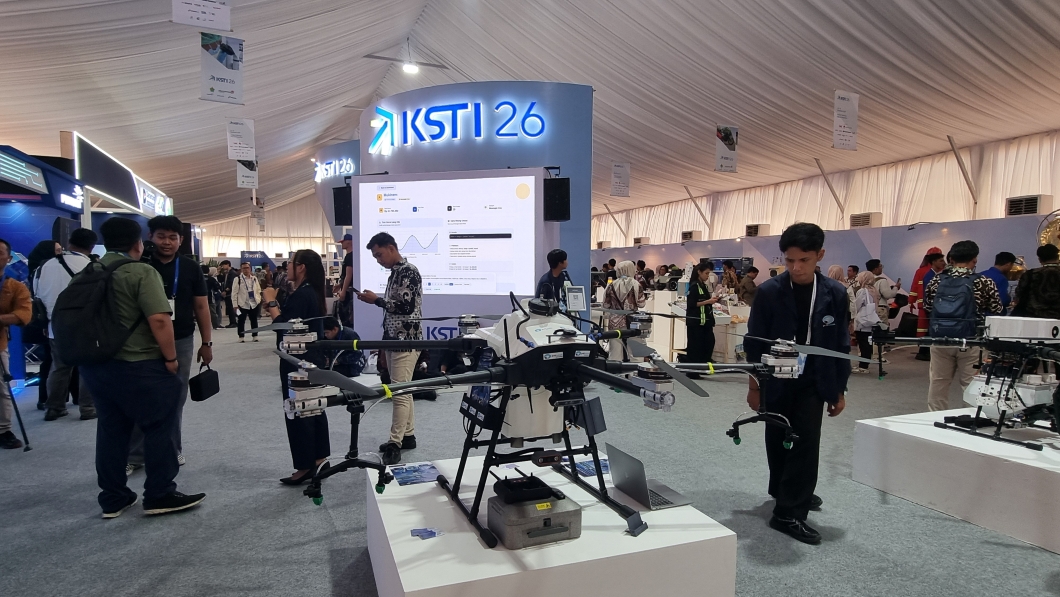
SURABAYA, itb.ac.id – Institut Teknologi Bandung (ITB) actively participated in the 2026 Indonesian Science, Technology, and Industry Convention (KSTI), held on November 10–13, 2026, at Institut Teknologi Sepuluh Nopember (ITS), Surabaya. ITB showcased a wide range of leading innovations in healthcare, energy, digital technology, defense, and natural resource processing, highlighting their potential for commercialization to strengthen Indonesia's industrial self-reliance.
Organized by the Ministry of Higher Education, Science, and Technology (Kemdiktisaintek) under the theme "Accelerating Indonesia's Economic Self-Reliance and Prosperity," KSTI 2026 brought together academics, researchers, government representatives, and industry stakeholders to accelerate the transformation of research findings into technologies and products that benefit society.
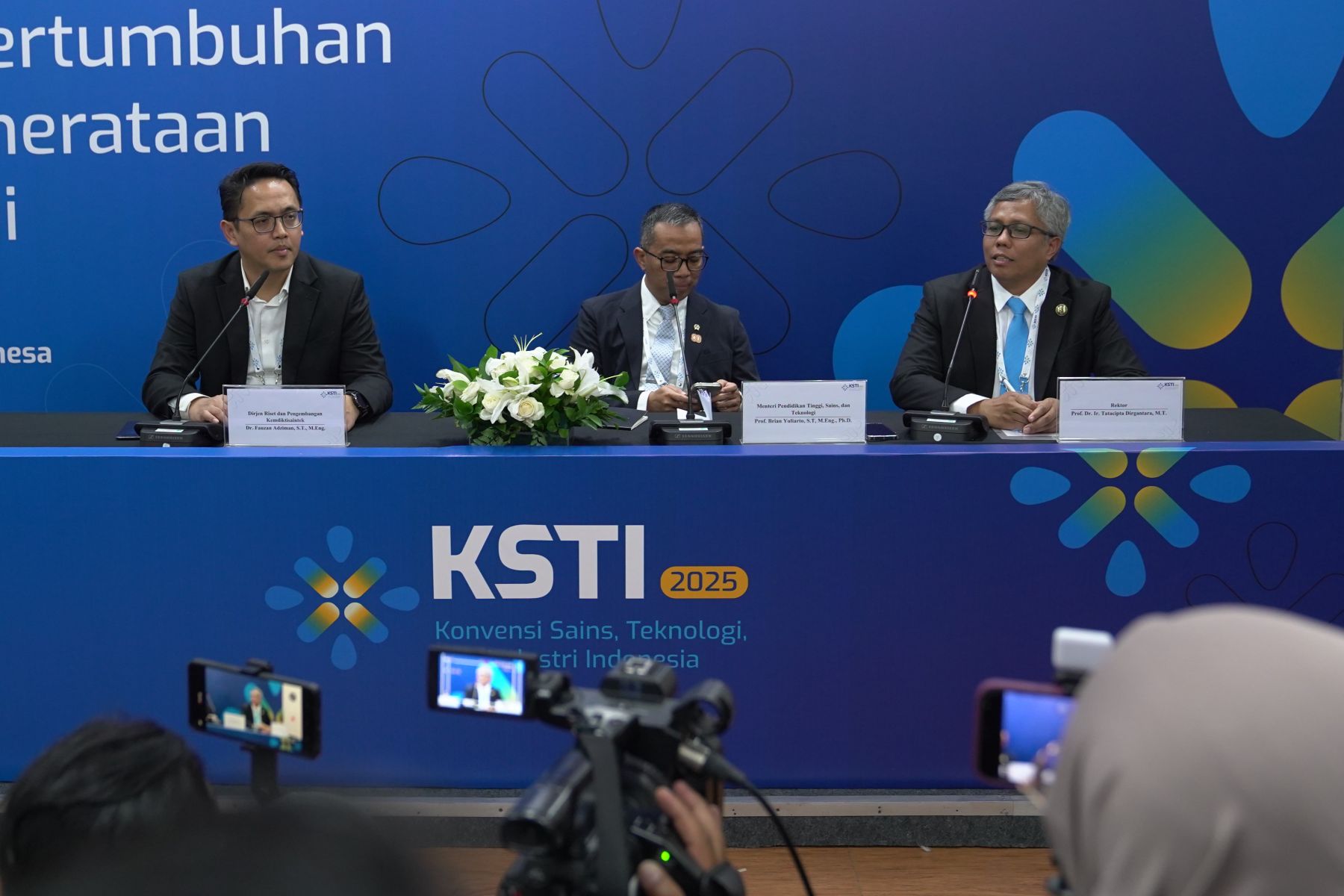
ITB Rector, Prof. Dr. Ir. Tatacipta Dirgantara, M.T., IPU, ASEAN Eng., emphasized that ITB's participation in KSTI 2026 reflected the university's commitment to advancing research beyond the laboratory toward downstream development and commercialization.
"Research outcomes should not end with scientific publications. They must be further developed into products that can benefit society and industry," said Prof. Tata.
"Through KSTI 2026, ITB is showcasing various innovations with the potential for broader production and application," he added.
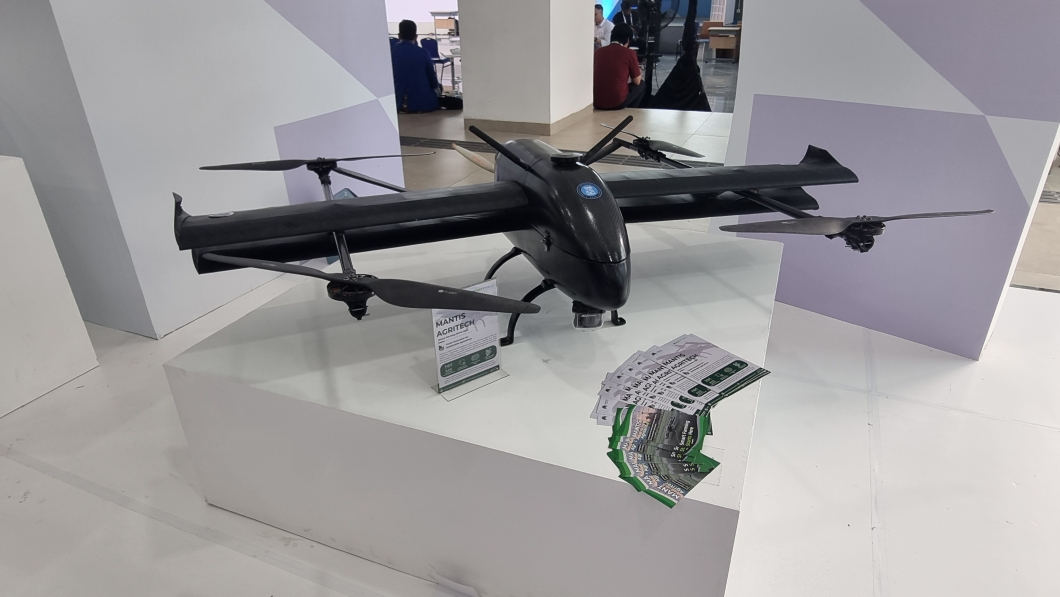
Caption: ITB's Mantis UAV innovation.
At the exhibition, ITB introduced several innovations, including chips for electronic passports (e-passports), Merah Putih propellant, mRNA vaccines, nanocarbon derived from palm oil waste, Divsea, Natural Hydrogen Exploration, Modultrax, and natural compound purification technology developed by EBM SciTech.
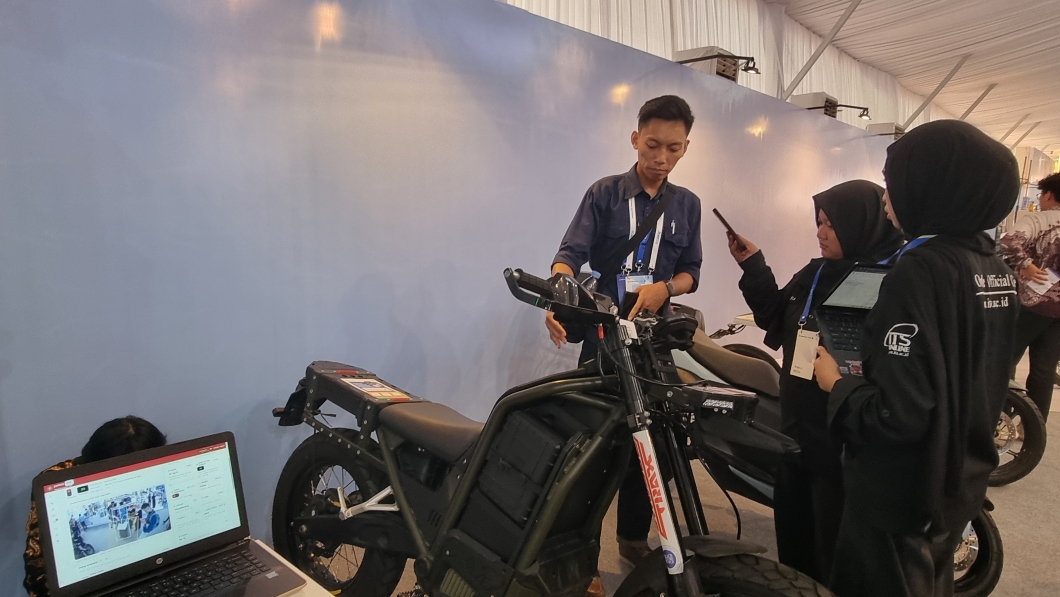
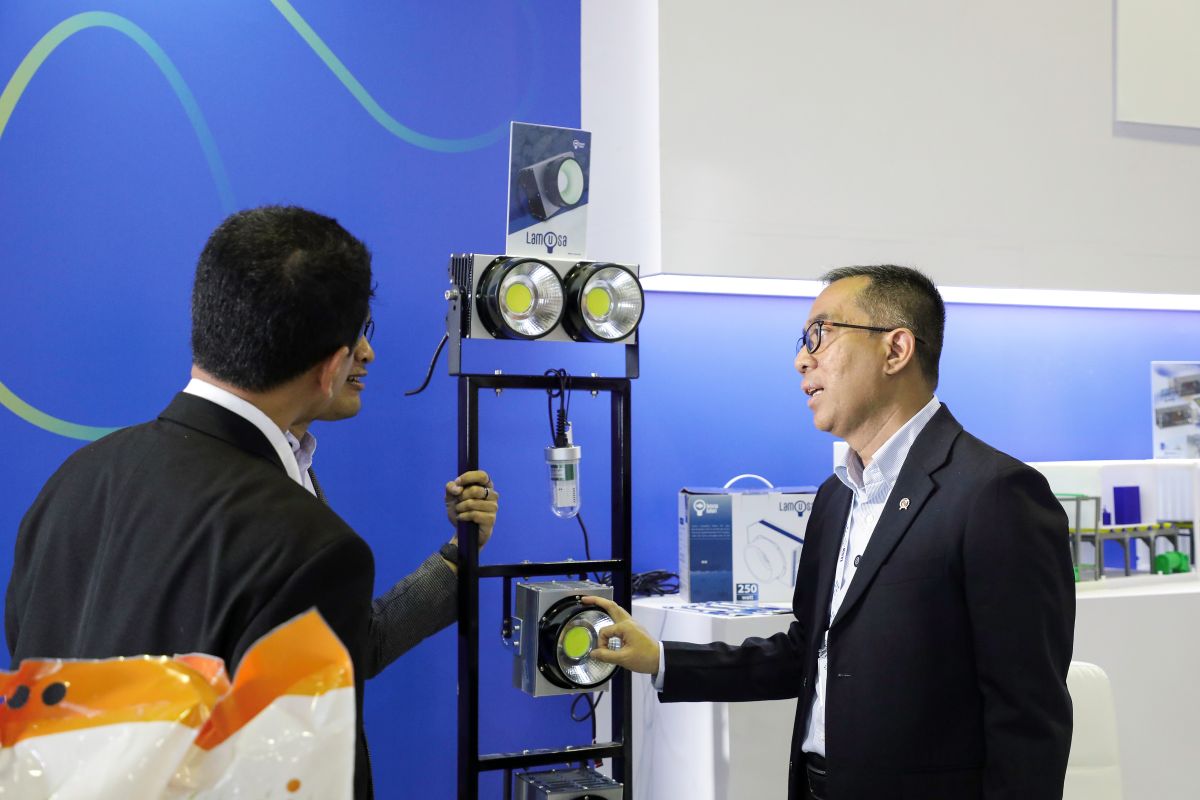
Caption: Modultrax, one of ITB's innovations showcased at KSTI 2026.
Other innovations included Batari, battery technology, bulletproof panels, cocoa fermentation technology, kamikaze drones, the Mantis UAV, and inspection drones. ITB also presented its High Altitude Long Endurance Unmanned Aerial Vehicle (HALE UAV) technology, jointly developed with the Republic of Indonesia Defense University.
One innovation demonstrating the downstream commercialization potential of ITB's research is a technology for purifying active compounds from indigenous plants, developed in collaboration with EBM SciTech, a startup established through ITB research development initiatives dating back to 2020.
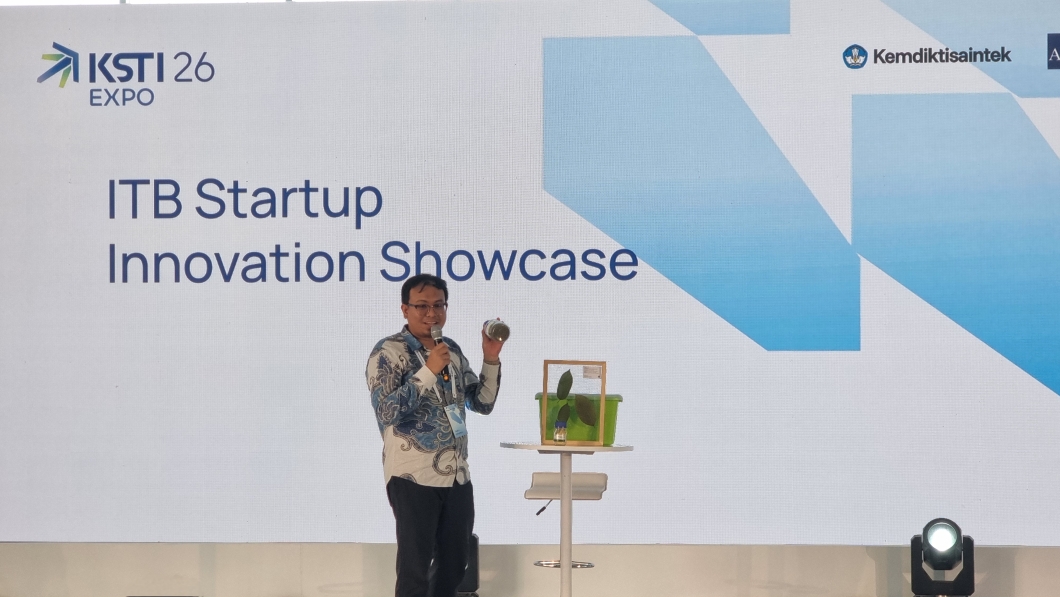
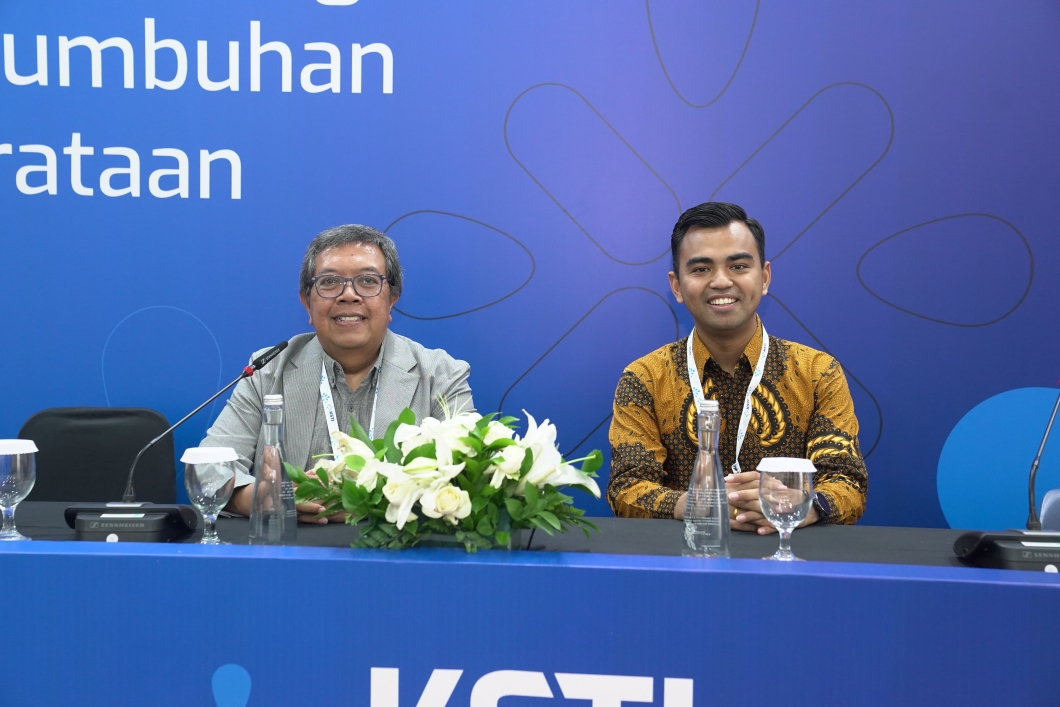
Caption: Sandy Akbar Nusantara, S.T., MBA., presents one of ITB's innovations developed in collaboration with EBM SciTech.
Sandy Akbar Nusantara, S.T., MBA., of EBM SciTech explained that the purification technology enables the isolation of active compounds from plants such as soursop leaves, matoa, crown of gods (mahkota dewa), and guava, achieving purity levels of 90–95 percent.
This technology creates opportunities to increase the added value of Indonesia's natural resources, many of which have traditionally been traded as raw materials. The purified compounds have the potential to be developed into industrial ingredients and finished products, including supplements, cosmetics, and energy drinks, thereby helping reduce dependence on imported processed products.
In addition to showcasing its innovations, ITB participated in various discussion forums and strengthened collaboration with industry partners.
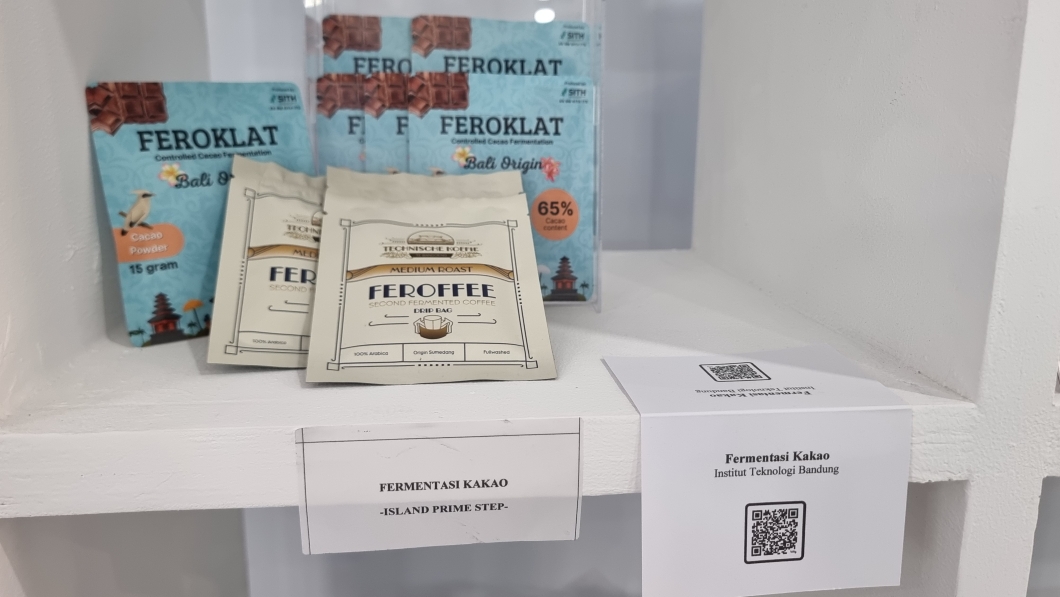
Caption: Feroklat, an innovative cocoa fermentation product.
Through its participation in KSTI 2026, ITB reaffirmed its commitment to accelerating the downstream development and commercialization of research outcomes, strengthening university–industry collaboration, and delivering innovations that provide tangible benefits to society while advancing Indonesia's technological self-reliance.