Dr. Grandprix Thomryes Marth Kadja: Reflecting on World Book and Copyright Day in Building a Culture of Reading
By Merryta Kusumawati - Teknik Geodesi dan Geomatika, 2025
Editor M. Naufal Hafizh, S.S.
.jpg)
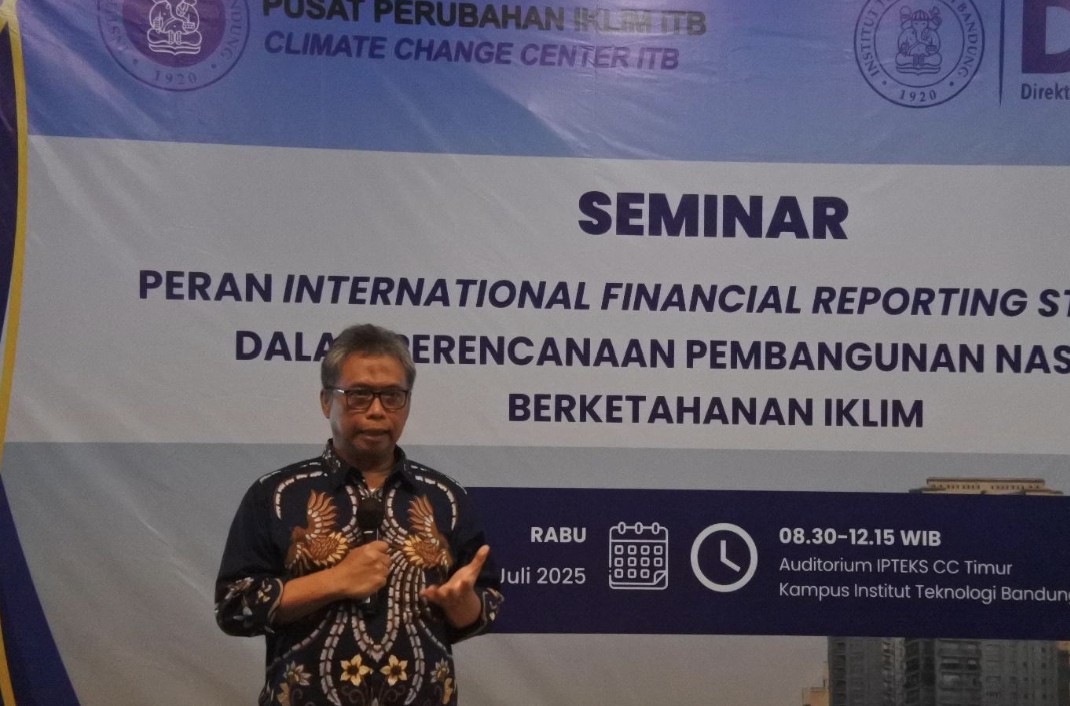
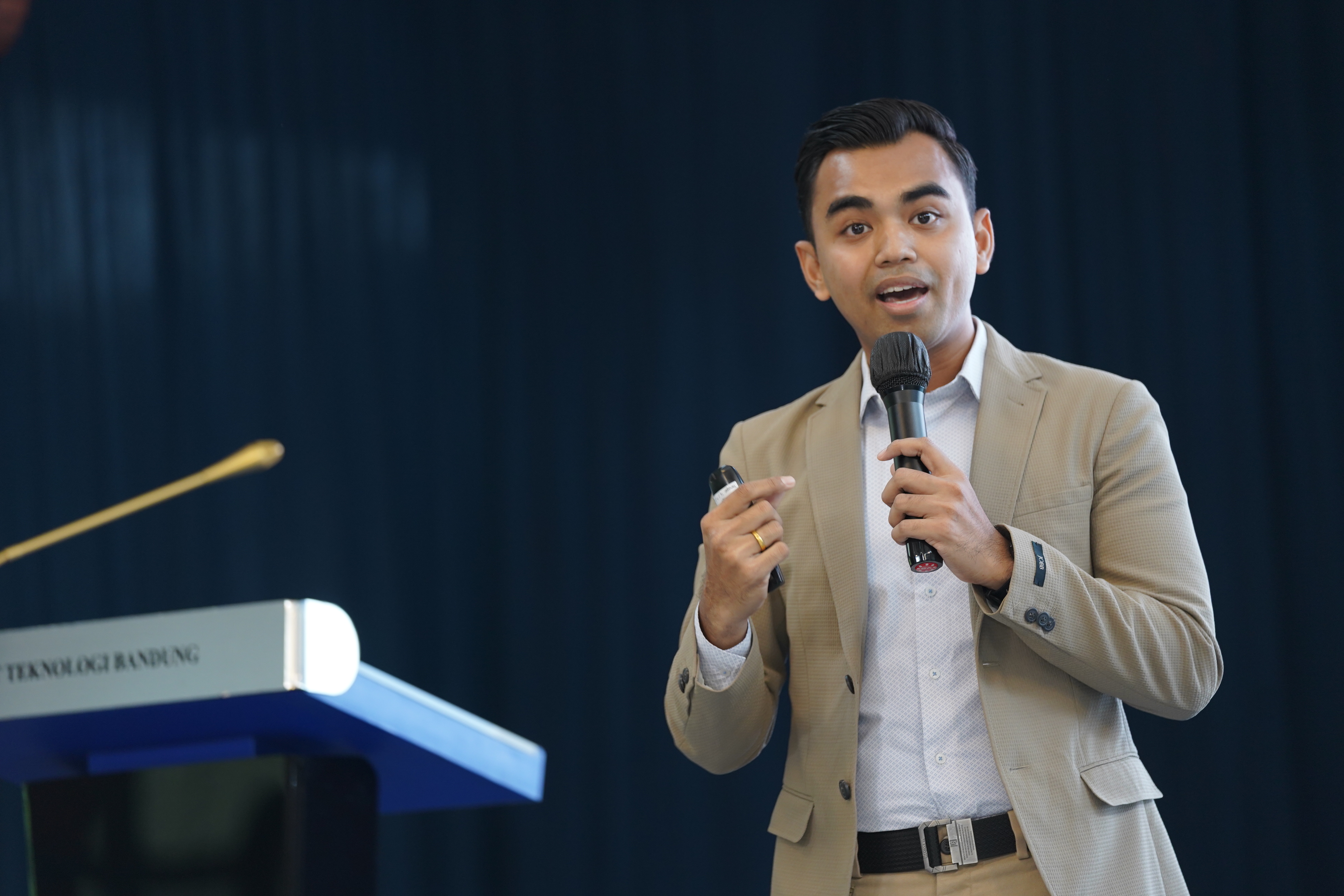
BANDUNG, itb.ac.id - Dr. Grandprix Thomryes Marth Kadja stands as one of ITB’s young scientists who has achieved recognition at both national and international levels. In addition to his role as a lecturer, he also serves as Deputy Director for the Development of Research Centers and Centers of Excellence in Science and Technology (PUI) at ITB’s Directorate of Research and Innovation.
His academic journey is remarkable. He earned his doctoral degree at a young age and was recognized as one of the world’s Top 2% scientists by Elsevier and Stanford University for his research in nanomaterials. He is also a recipient of the 20th Achmad Bakrie Award in the Young Scientist category, along with other accolades such as ITB’s top young lecturer with the highest number of Q1 publications and an outstanding lecturer award at the faculty level. His interest in chemistry began during his school years and continued through his undergraduate, graduate, and professional engineering studies. Consistency in research and scientific publication has been the key to his achievements.
“Those awards are essentially a byproduct of consistency in research and writing,” he remarked.
The momentum of World Book and Copyright Day, commemorated every April 23, serves as an important reflection for him to emphasize the role of books in a scientist’s journey.
The Role of Books in a Scientist’s Journey
.jpg)
For Dr. Grandprix, books are the foundation of intellectual development. He emphasized that the ability to write and publish research cannot be separated from the habit of reading.
“Writing is a manifestation of reading. We cannot construct ideas without first understanding the thoughts we gain from what we read,” he explained.
Since a young age, he has been accustomed to reading various types of books, ranging from textbooks and popular science to comics. This habit gradually shaped his curiosity and enriched his way of thinking.
Shaping Logic and Depth of Thinking
.jpg)
According to him, reading is a process of engaging with the author’s way of thinking. Through this, readers learn to understand logical structures, cause-and-effect relationships, and distinguish between arguments and opinions.
“The more we read, the more we realize that knowledge always leaves room for new questions and further development,” he stated.
This process enables individuals to synthesize ideas into new understandings while strengthening analytical skills an essential trait of a scientist.
Challenges in the Era of Short-Form Information
.jpg)
Amid the rise of short-form information in the digital era, he believes that books remain irreplaceable in building comprehensive understanding. Short content often provides only surface-level insights, while books offer depth.
“Books invite us into the depth of an author’s thinking, while short-form information is often superficial,” he said.
He added that reading books also trains focus and patience in understanding issues more holistically.
Reading Culture and a Message for Students
.jpg)
According to him, reading culture is closely linked to the scientific culture within a university. A healthy academic environment is reflected in habits of reading, discussion, and building arguments based on data.
In fostering reading interest, he highlighted the importance of internal motivation, supported by an academic environment that encourages literacy. As a closing message, he encouraged students to maintain strong reading habits despite the overwhelming flow of information.
“Keep reading deeply. In the midst of information overload, the ability to focus and think deeply becomes a rare and valuable strength,” he advised.
He also shared several book recommendations, including The Art of War by Sun Tzu, Hidden Potential by Adam Grant, Ikigai by Hector Garcia and Francesc Miralles, and Atomic Habits by James Clear.
Through this reflection, World Book and Copyright Day is not merely an annual commemoration, but also a reminder that reading is the foundation for developing depth of thought and strengthening the scientific culture within the academic community.
Reporter: Merryta Kusumawati (Geodesy and Geomatics Engineering, 2025)
.jpg)
.jpg)
.jpg)
.jpg)