A First in Indonesia: ITB Researchers Develop Electronic Passport Chip Prototype to Strengthen National Security and Digital Independence
By M. Naufal Hafizh, S.S.
Editor M. Naufal Hafizh, S.S.
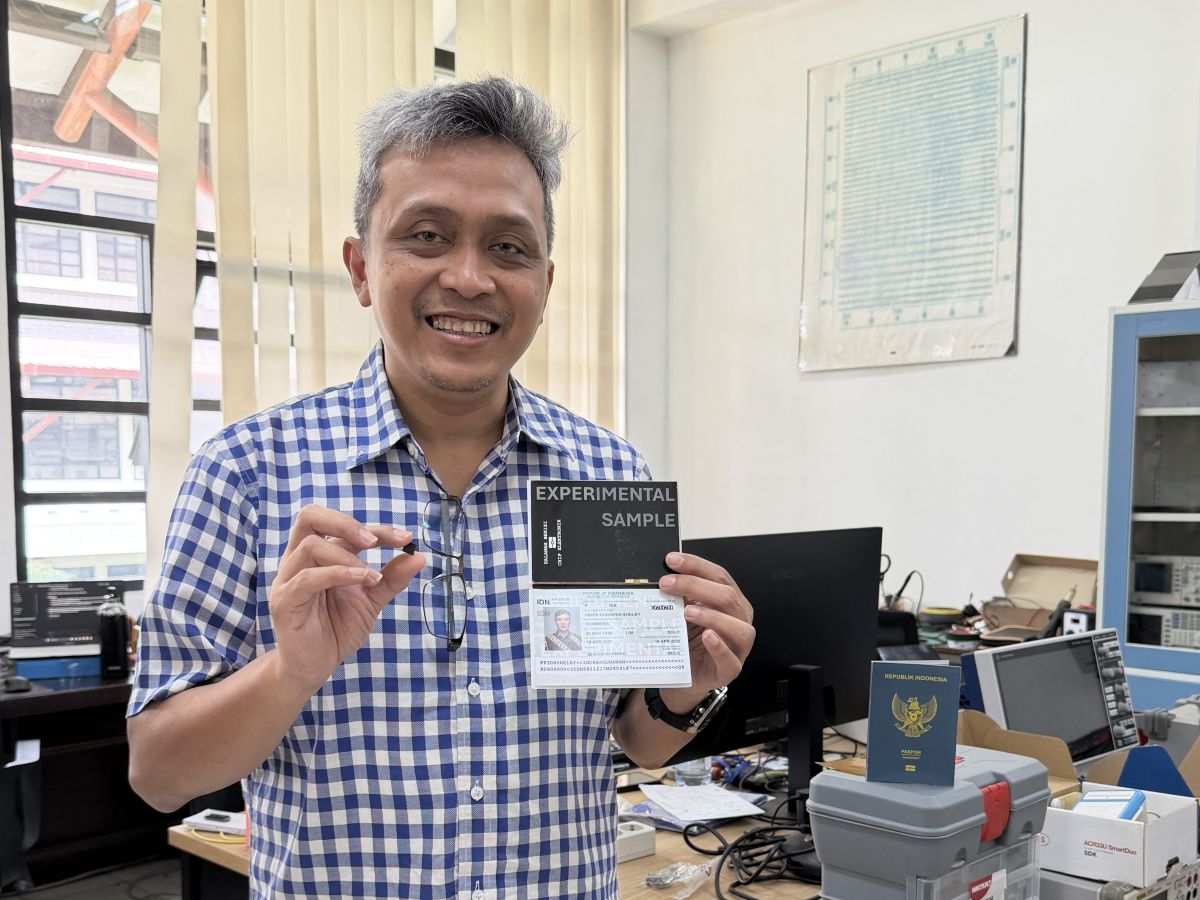
Caption: Prof. Ir. Arif Sasongko, S.T., M.T., Ph.D.
BANDUNG, itb.ac.id — Institut Teknologi Bandung (ITB), through PT LAPI ITB, has collaborated with Perusahaan Umum Percetakan Uang Republik Indonesia (PERURI), Indonesia's state-owned security printing and minting company, to develop the country's first domestically designed electronic passport chip prototype. This innovation aims to strengthen the security of identity documents, reduce dependence on imported technology, and support the development of Indonesia's semiconductor industry.
The chip was developed over a one-year period, from 2025 to 2026. The prototype completed its development, testing, and demonstration stages in September 2026.
The lecturers and researchers involved in the project include Prof. Ir. Arif Sasongko, S.T., M.T., Ph.D.; Muhammad Iqbal Arsyad, S.T., M.T.; Nana Sutisna, S.T., M.T., Ph.D.; Ir. Mervin Tangguar Hutabarat, M.Sc., Ph.D.; Dr. Waskita Adijarto, S.T., M.T.; Dr. Yusuf Kurniawan, S.T., M.T.; and Prof. Sarwono Sutikno, Dr.Eng., CSX-F, IIAP, CC (ITERA).
Prof. Arif Sasongko explained that the development of this technology was driven by Indonesia's need to master the chip technology used in electronic passports (e-passports). Currently, Indonesia still relies on imported chips for its electronic passports. This dependence presents a challenge, particularly because the country does not yet have full control over the design process and the technologies embedded in these chips.
Strengthening Data Security and Reducing Dependence on Imports
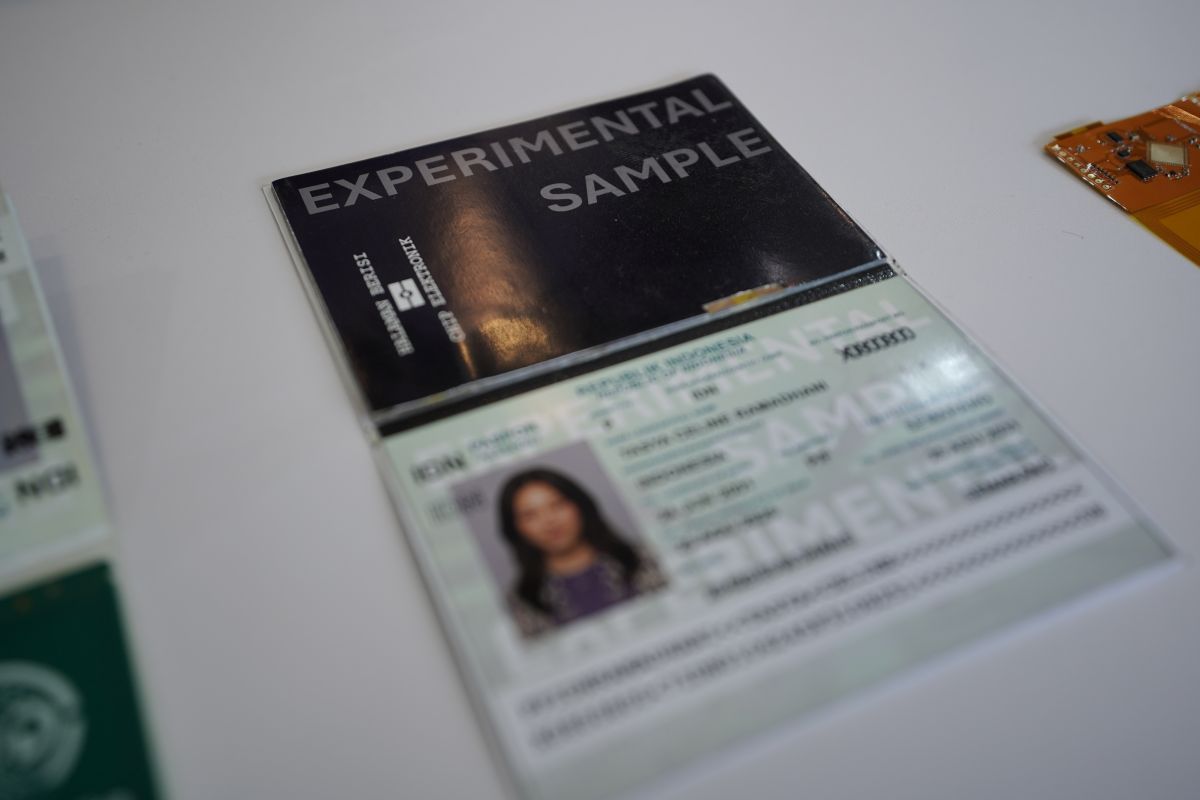
Prof. Arif explained that the development of the electronic passport chip has three main objectives: strengthening technological capabilities in security, increasing domestic economic value added, and creating opportunities to apply the technology to other purposes.
From a security perspective, the ability to independently design chips enables researchers to understand and control the architecture and technological components used. This capability is particularly important in developing electronic devices that store personal identity information.
Furthermore, domestic technology development is expected to increase local content and reduce Indonesia's dependence on chips designed and manufactured overseas. It also has the potential to generate substantial economic value, as more design and development activities can be carried out by Indonesian professionals.
"If PERURI and ITB can develop this chip, the added value will be enormous. The chip can also be used for various purposes beyond electronic passports," he said at ITB Ganesha Campus on Monday (October 12, 2026).
He added that the technology could potentially be applied to electronic identification devices, electronic money (e-money), and other applications requiring chip-based security systems.
Prof. Arif emphasized that one of the research project's most significant achievements was the Indonesian team's ability to independently design an electronic passport chip.
"This is the first chip of its kind to be designed in Indonesia. Previously, such chips were both designed and manufactured overseas," he said.
The chip is currently still at the prototype stage and is not yet ready for mass production. Further development is required to enable large-scale manufacturing at a more efficient cost.
Opening Opportunities for Indonesia's Semiconductor Industry
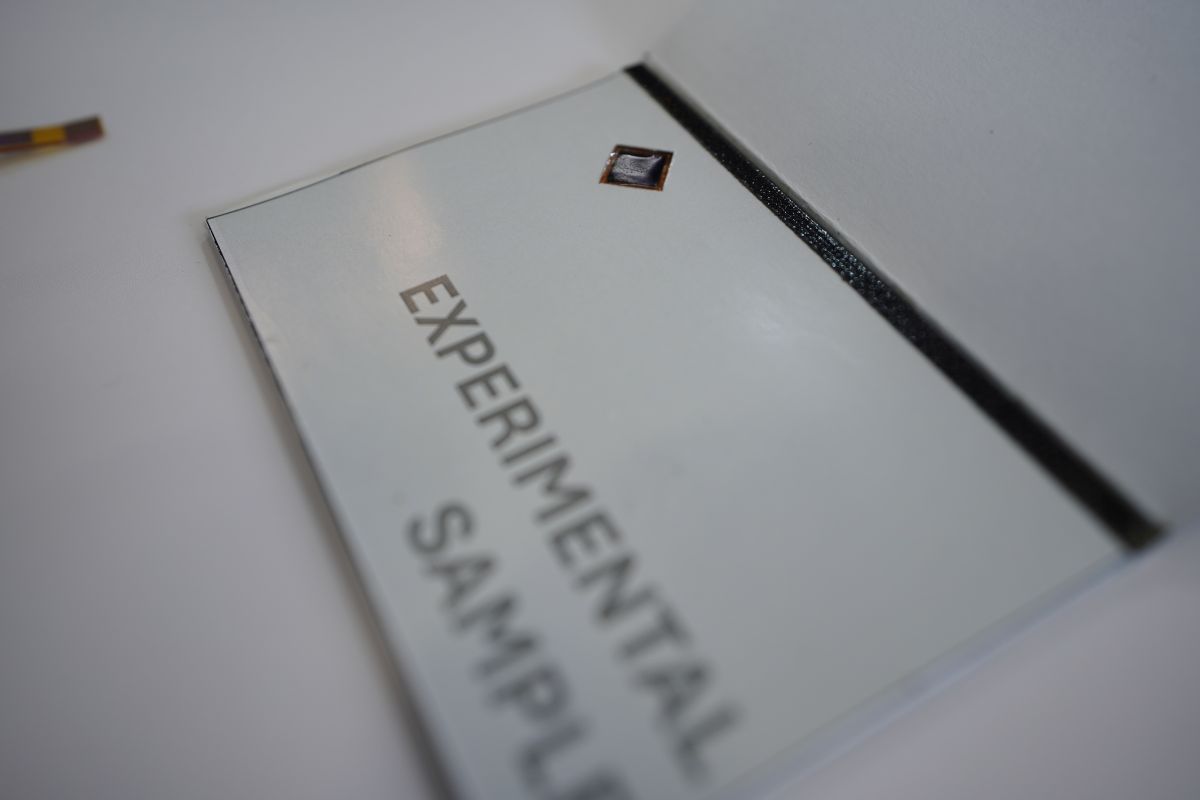
Beyond supporting the development of electronic passports, this research represents an important step toward strengthening Indonesia's capabilities in chip design, particularly integrated circuit (IC) design.
Mastering this technology is considered essential because chips are key components in various modern electronic devices, including identification systems, electronic transactions, and technologies requiring information security.
Prof. Arif stated that successfully designing chips domestically could serve as a foundation for the development of Indonesia's semiconductor industry.
"This contributes to the development of Indonesia's semiconductor industry, particularly in chip design," he said.
Through this research, ITB continues to contribute to the advancement of technologies that can be further developed to meet various industrial needs in the future.