Academic Lecture by Prof. Tri Suciati: Formulation Technology for Modulating the Tissue Regenerative Microenvironment in Degenerative Diseases
By Indah Marcelinawati - Mahasiswa Perencanaan Wilayah dan Kota, 2022
Editor M. Naufal Hafizh, S.S.
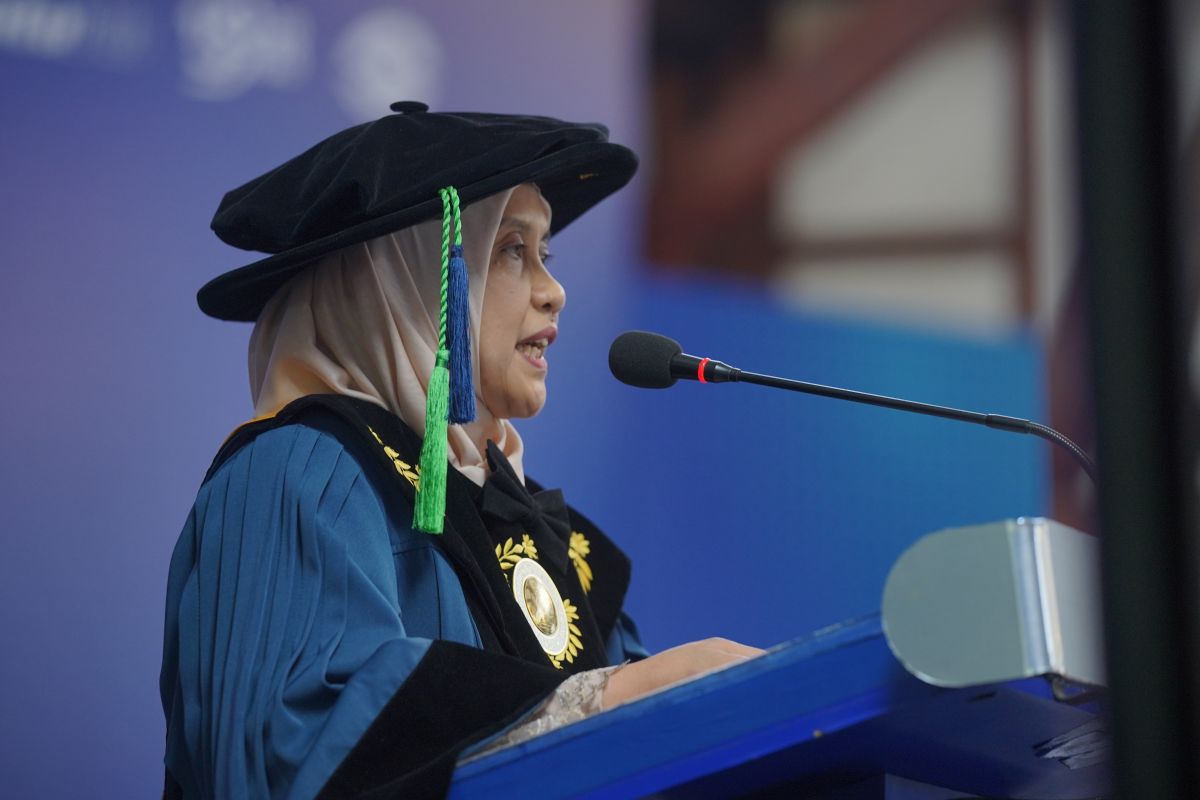
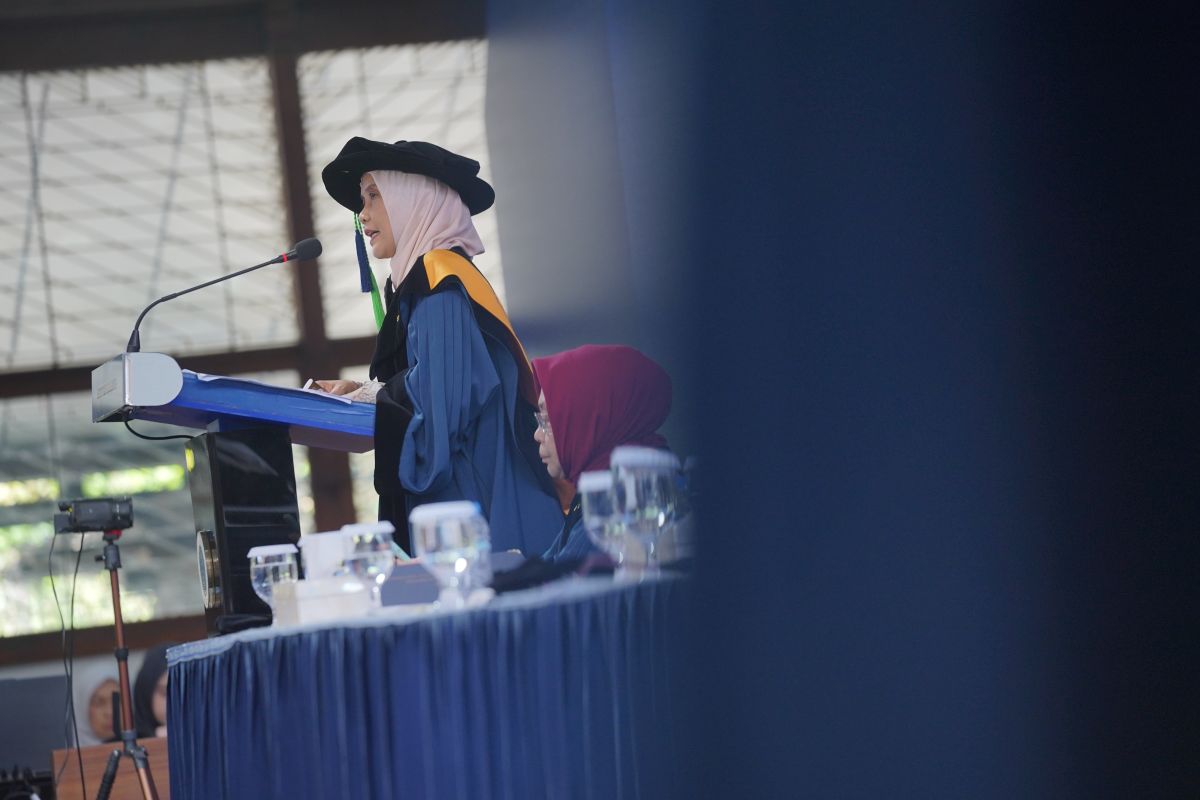
BANDUNG, itb.ac.id - Prof. apt. Tri Suciati, M.Si., Ph.D., Professor at the School of Pharmacy, Institut Teknologi Bandung (ITB), delivered a scientific lecture entitled “Formulation Technology for Modulating the Tissue Regenerative Microenvironment in Degenerative Diseases” in the West Hall, ITB Ganesha Campus, on Saturday (8 August 2026). The lecture discussed the development of formulation technology as an approach to modulating the regenerative microenvironment of tissues, particularly in addressing tissue damage associated with oxidative stress and degenerative diseases.
Prof. Tri Suciati explained that degenerative diseases represent one of the growing health challenges as life expectancy increases and metabolic risk factors become more prevalent. One such disease of particular concern is diabetes. The issues surrounding diabetes are not only related to high blood glucose levels but also to its long-term effects on various organs.
According to her, hyperglycaemia can increase the production of reactive oxygen species (ROS) or free radicals. In controlled quantities, ROS actually play a vital role in various biological processes, such as cell migration, defence against infection, and tissue repair. However, excessive ROS production can cause oxidative stress, trigger inflammation, and disrupt tissue regeneration processes.
He explained that the regenerative microenvironment refers to the conditions surrounding the cells that determine a tissue’s ability to repair itself. Under normal conditions, the body possesses an antioxidant system that helps maintain ROS balance. However, under conditions of excessive oxidative stress, the inflammatory response can become dominant and cause damage to cells, blood vessels, and the extracellular matrix.
Formulation Technology Enhances the Delivery of Bioactive Compounds
“One strategy for improving the regenerative microenvironment of tissues is to utilise plant-derived bioactive compounds such as flavonoids and curcumin. These compounds activate the endogenous antioxidant system and suppress ROS and inflammation, thereby helping to restore redox balance,” he said.
However, the utilisation of bioactive compounds still faces challenges in the form of low solubility, stability and bioavailability. To address these issues, formulation technology has been developed using various delivery systems, such as nanoemulsions, solid lipid nanoparticles (SLNs), nanostructured lipid carriers (NLCs) and liposomes. These delivery systems utilise lipids and stabilisers to form nanometre-sized carriers. These characteristics enable the active ingredients to interact with cell membranes, enhance tissue penetration, and facilitate delivery to intracellular sites.
In their development, NLCs based on lecithin and polysorbate 80 were modified with artin M, a compound isolated from cempedak seeds. This modification aims to maintain the stability of rifampicin whilst helping cells to absorb the drug more effectively. Artin M also plays a role in activating the immune response, and it is therefore hoped that it will help deliver rifampicin to microbes that can persist within cells.
Formulation Technology Developed to Support Tissue Regeneration
One of the systems developed is a Pickering nanoemulsion to enhance the delivery of bioactive compounds. Tests on a model of kidney damage demonstrated the system’s potential to reduce oxidative stress and support tissue protection.
Similar technologies have also been developed using basil extract, as well as topical formulations containing sirih bumi extract and beta-glucan. In in vivo testing, the formulations showed the potential to accelerate the wound-healing process, with wounds beginning to dry out and close by the third day and almost completely closed by the 14th day.
In addition to nanoemulsions, development has focused on nanofibre scaffolds and hydrogels, which function as matrices to support cell growth and regeneration. This technology has subsequently been adapted for bone tissue engineering using hydroxyapatite-based scaffolds.
Microparticle-based scaffolds have also been developed to regulate the release of growth factors as required during the tissue regeneration process.
Formulation technology was also developed through the use of probiotics and postbiotics to support skin and digestive tract health. Furthermore, hydrogels were developed to maintain the stability of edelweiss extract in cosmetic formulations.
These various developments demonstrate that formulation technology can be directed not only towards the delivery of active ingredients, but also towards creating an environment that supports tissue regeneration.
Towards Bioresponsive Delivery Technology
Looking ahead, active ingredient delivery systems are set to evolve from passive carriers into platforms capable of responding to pathological conditions in tissue. One area of research being pursued is the co-delivery of antioxidants and secretome within hydrogels, which is subsequently being directed towards the development of regenerative and bioresponsive microneedles for diabetic wounds.
He also emphasised that the development of formulation technology requires multidisciplinary collaboration, ranging from the standardisation of natural materials, extraction, formulation, scale-up and manufacturing, right through to clinical translation. The integration of proteomic and genomic data with artificial intelligence also has the potential to help map the synergies between various components and numerous biological targets.
“Preventing chronic complications of diabetes requires the involvement of various stakeholders. People with diabetes need to be supported in undergoing treatment and taking preventative measures from an early stage, whilst healthcare professionals can utilise innovations in formulation technology to enhance the effectiveness of interventions,” he said.
He also emphasised the importance of tiered research validation, ranging from proof of concept, laboratory-scale validation, scale-up, to industrial-scale validation. Through cross-disciplinary collaboration, the development of formulation technology is expected to yield effective, high-quality and affordable health innovations that benefit public health and well-being.