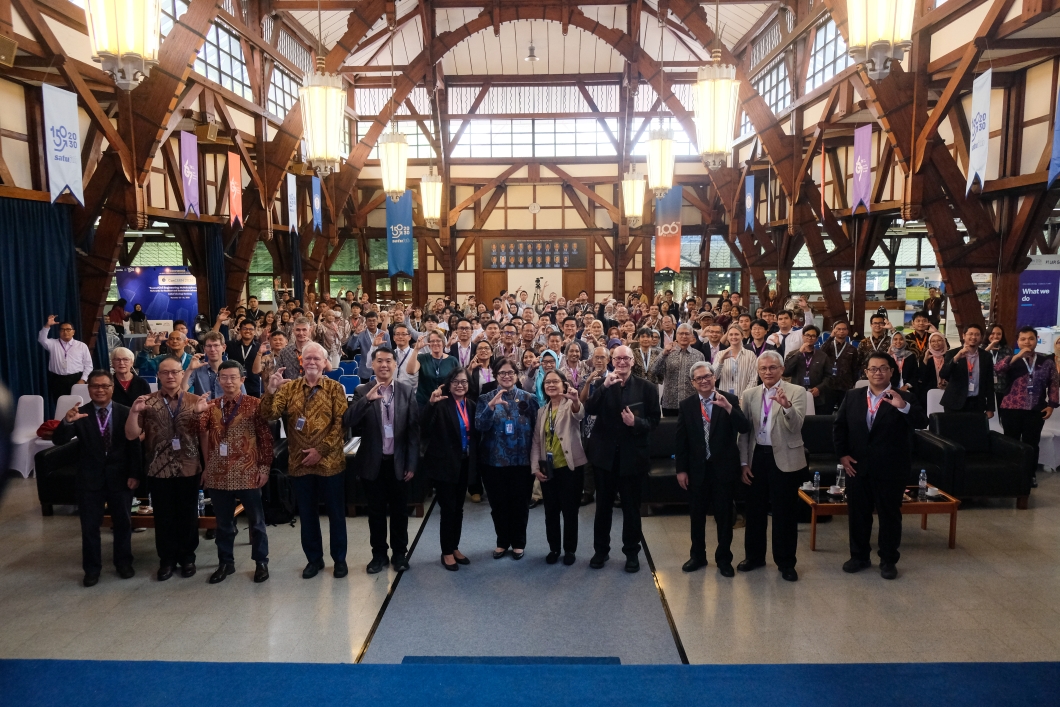
Building a Violence-Free Campus Environment, ITB's PPK Task Force Holds Outreach for New Students and Parents
By M. Naufal Hafizh, S.S.
Editor M. Naufal Hafizh, S.S.
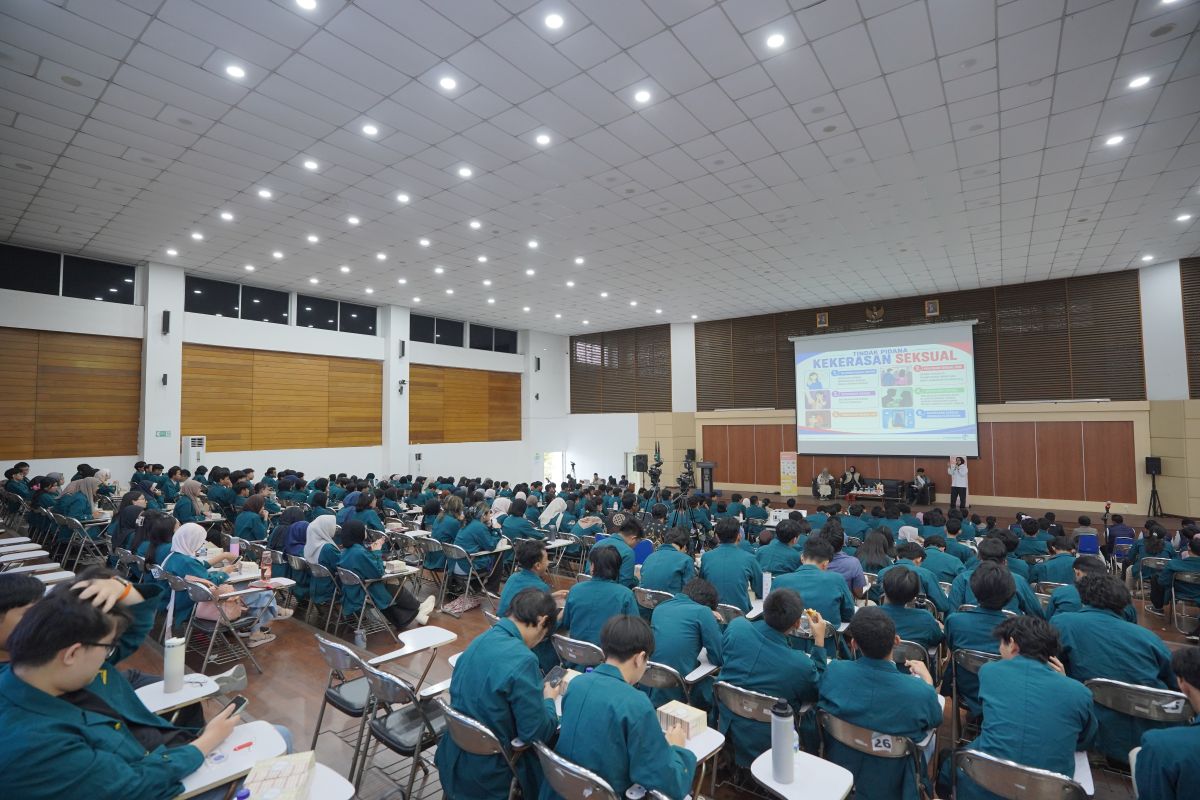
SUMEDANG, itb.ac.id — Institut Teknologi Bandung (ITB) is strengthening a safe, inclusive, and violence-free campus environment by providing new students with information on violence prevention and management from the beginning of their studies. Through the Violence Prevention and Handling Task Force (Satgas PPK), this education is part of the 2026 ITB New Student Admissions (PMB) series and involves parents and law enforcement officials.
The socialization for new undergraduate students was held in a blended manner on Wednesday (August 12, 2026) at the ITB Jatinangor Campus. This activity was designed to build a shared understanding of the boundaries of interaction, the prevention of various forms of violence, and the mechanisms for handling and accessing assistance available to students.
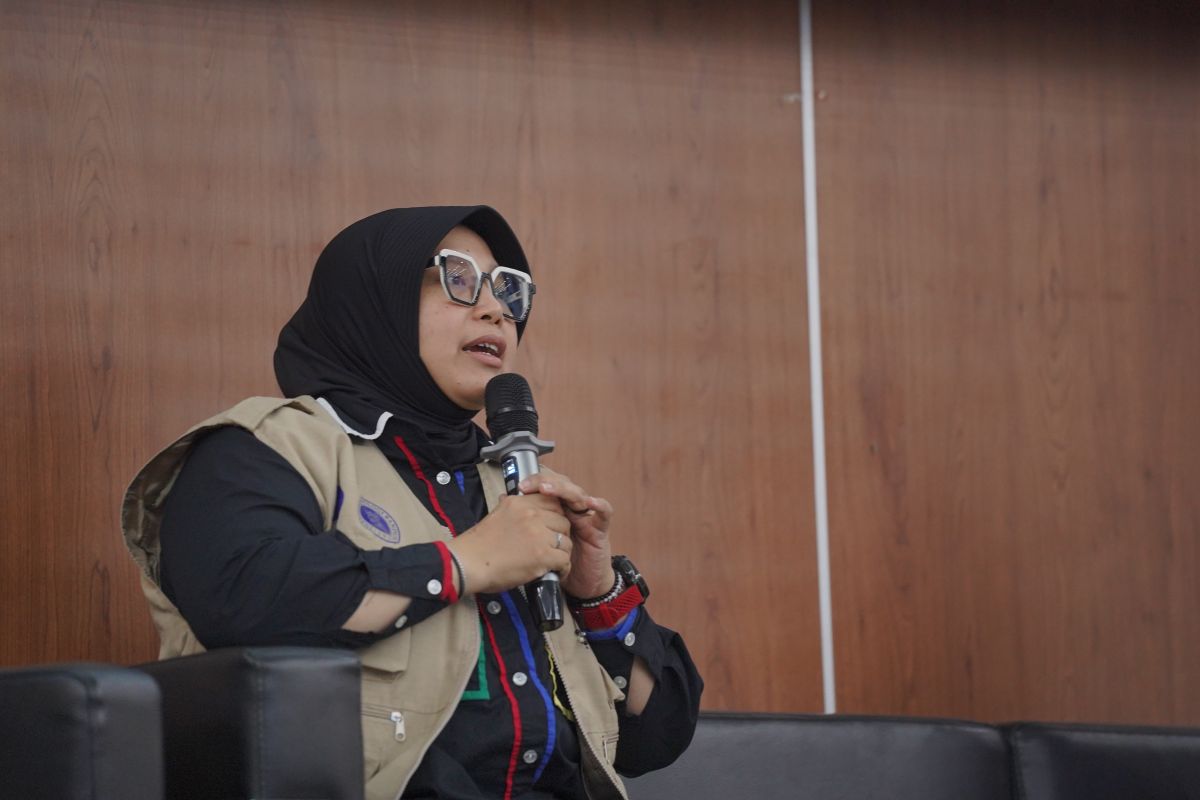
The Head of the ITB PPK Task Force, Rr. Diah Asih Purwaningrum, S.T., M.T., Ph.D., said, "ITB's new students come from various parts of the country, from Sabang to Merauke, bringing diverse cultural backgrounds, customs, and family values. These differences are a wealth, but if not accompanied by a shared understanding of the boundaries of interaction on campus, they have the potential to trigger disagreements that can lead to acts of violence," she said.
According to her, the early years of college are an important opportunity for students to reflect and adapt the various habits brought from their previous environments to the more heterogeneous campus life. With this understanding, students are expected to be able to build healthy relationships and contribute to maintaining a safe learning environment for others.
Equipping Students with Violence Prevention and Handling
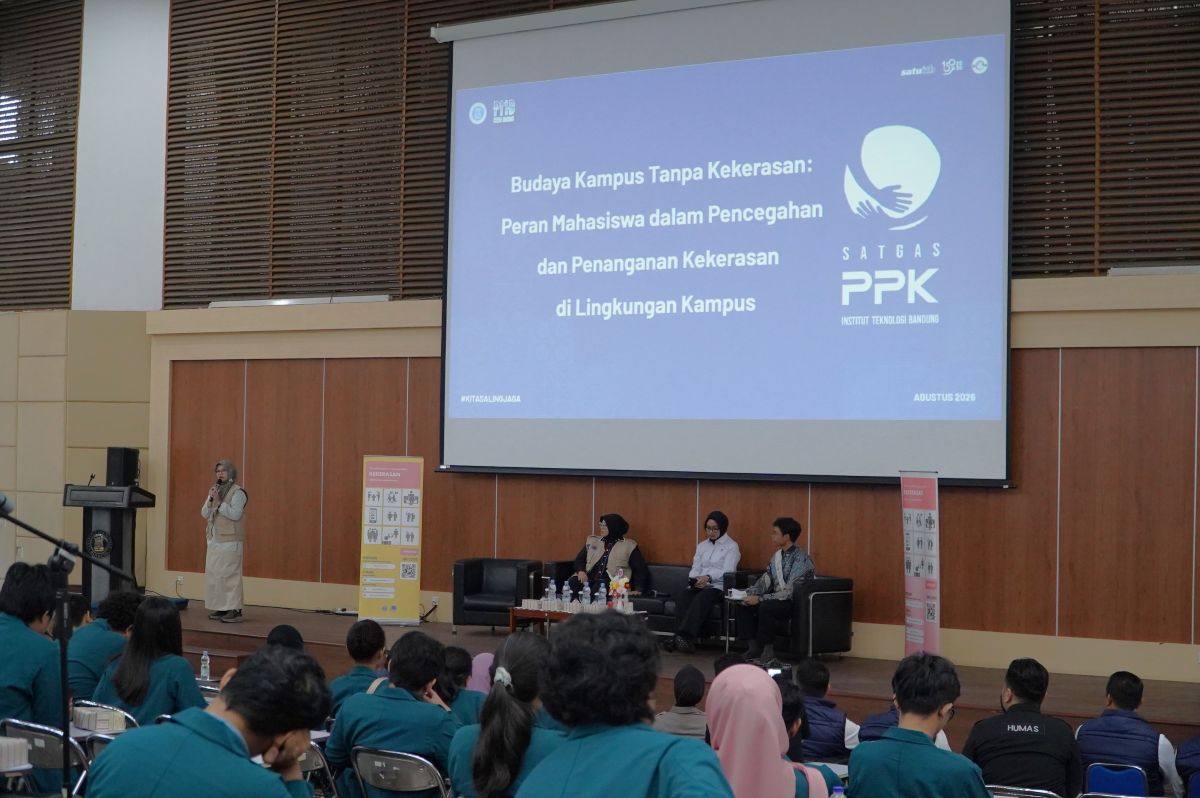
The material on the PPK Task Force and efforts to prevent and handle violence was presented by Dr. apt. Pratiwi Wikaningtyas, S.Farm., M.Si. and Rr. Diah Asih Purwaningrum, S.T., M.T., Ph.D., also presented Senior Commissioner of Police Rumi Untari, S.I.K., M.H., from the West Java Regional Police, to provide perspectives on handling violence from the perspective of law enforcement.
The presence of these various stakeholders is part of ITB's effort to provide students with a comprehensive understanding that violence prevention is not only carried out after an incident occurs, but begins with the ability to recognize boundaries, build healthy interactions, know support channels, and have the courage to seek help when needed.
Parents Play a Vital Role in Students' Transition
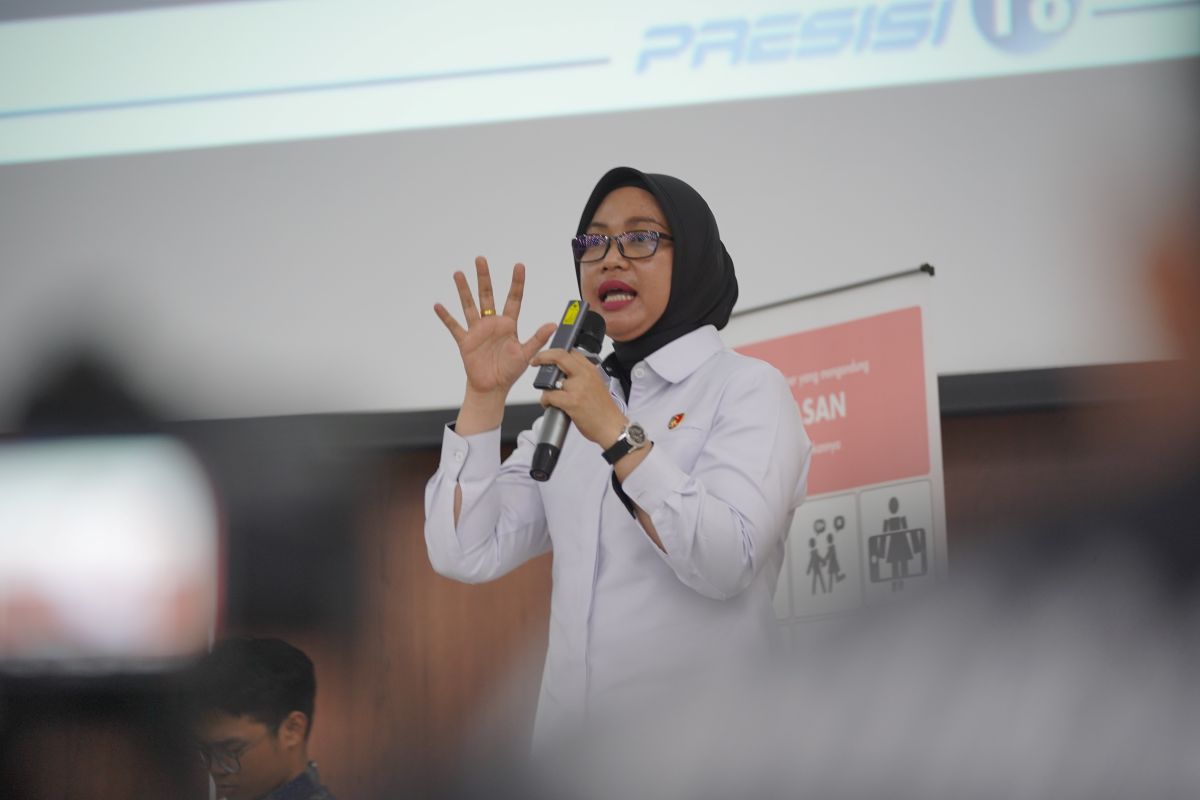
This outreach was also aimed at parents of students and the general public, who watched the ITB YouTube channel.
The Head of the ITB PPK Task Force stated that parental involvement is crucial, especially in accompanying students through the transition from school to higher education, which has a more diverse social and academic character.
"The role of parents is crucial in supporting students during this adjustment period. Therefore, we at the ITB PPK Task Force consistently collaborate closely with the Student Parents Association (IOM), especially in supporting the handling and resolution of existing cases," he said.
Building a Safe Ecosystem Around Campus
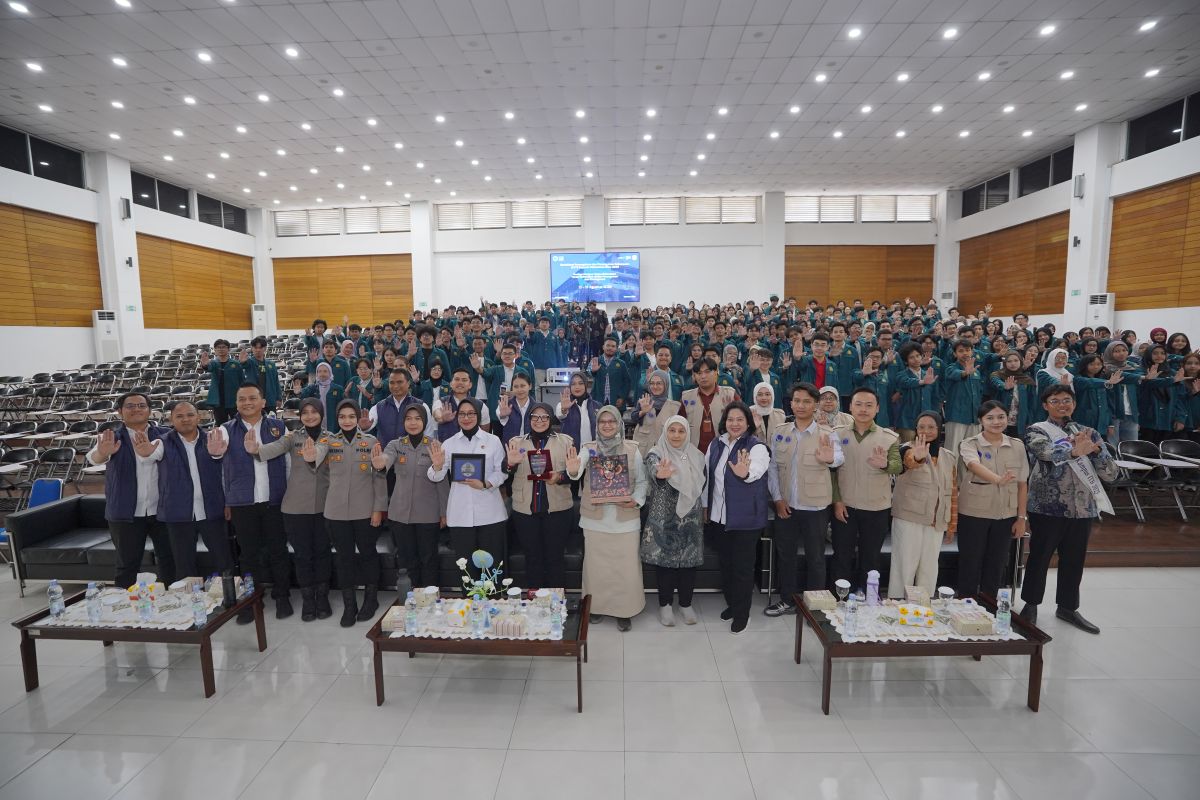
The ITB PPK Task Force's efforts go beyond students and academics. Educational programs are also designed to reach communities directly impacted by student life around campus.
Local business owners, online transportation drivers, street vendors (PKL), boarding house owners, and even cafeteria managers are among the groups that will be engaged in efforts to build a safer environment.
The ITB PPK Task Force is also building networks with various parties, including the West Java Regional Police and Ikatan Psikologis Klinis (IPK). This collaboration is necessary because preventing and addressing violence requires support from various parties, from students' immediate environment to professionals and law enforcement officials.
This approach positions student safety as part of an ecosystem, not solely an individual responsibility. As more parties understand how to recognize, prevent, and respond to violence, it is hoped that student learning spaces and lives will become safer and more conducive.