ITB and Masagi Cibogo Collaboration: Processing PET Bottle Waste into 3D Printing Filament Through Cross-Generational Education
By Khalifah Hanif - Mahasiswa Desain Interior 2023
Editor M. Naufal Hafizh, S.S.
.jpg)
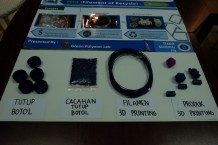
BANDUNG, itb.ac.id — As a concrete effort to address urban waste management issues, Institut Teknologi Bandung (ITB) together with the Masagi Tjibogo Community held a "Plastic Bottle Waste Recycling Workshop: From Trash to Creative Products" on Saturday, August 22, 2026. Located at the community headquarters in Sukajadi District, Bandung City, this 2026 Bottom-Up Community Service program with a Special Topic on Waste successfully transformed Polyethylene Terephthalate (PET) bottles into three-dimensional (3D) printing filament.
Community Resilience and Cross-Institutional Synergy
.jpg)
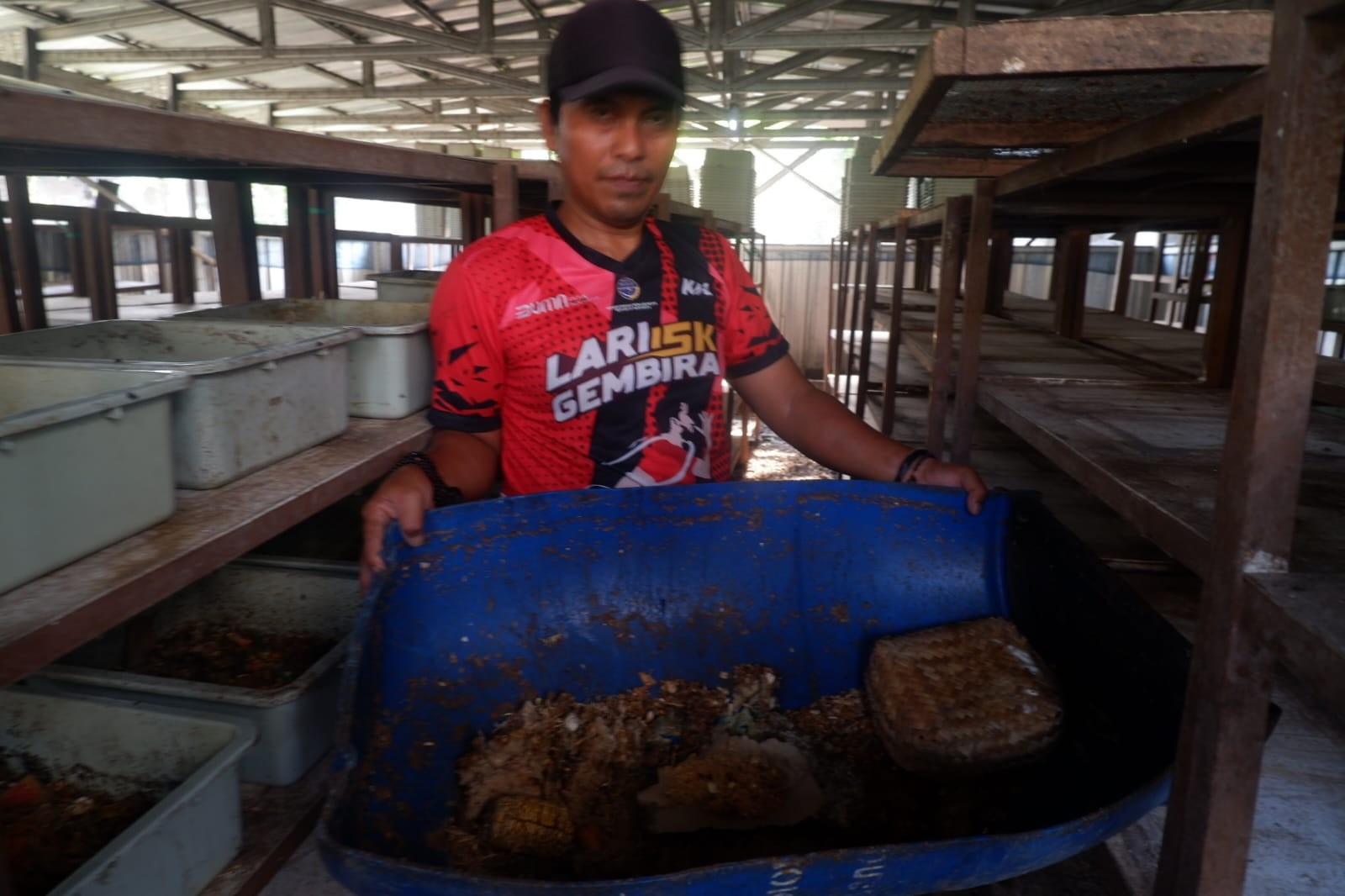
The Masagi Cibogo Community was chosen as a partner because it is considered to have high resilience in managing existing waste. Previously, Cibogo residents have been accustomed to synergizing since 2022 through a collaboration with Rakarsa Foundation, a community empowerment forum executed by several ITB FSRD alumni. Meanwhile, this filament processing project with the ITB lecturer team has only been running intensively for the past four months.
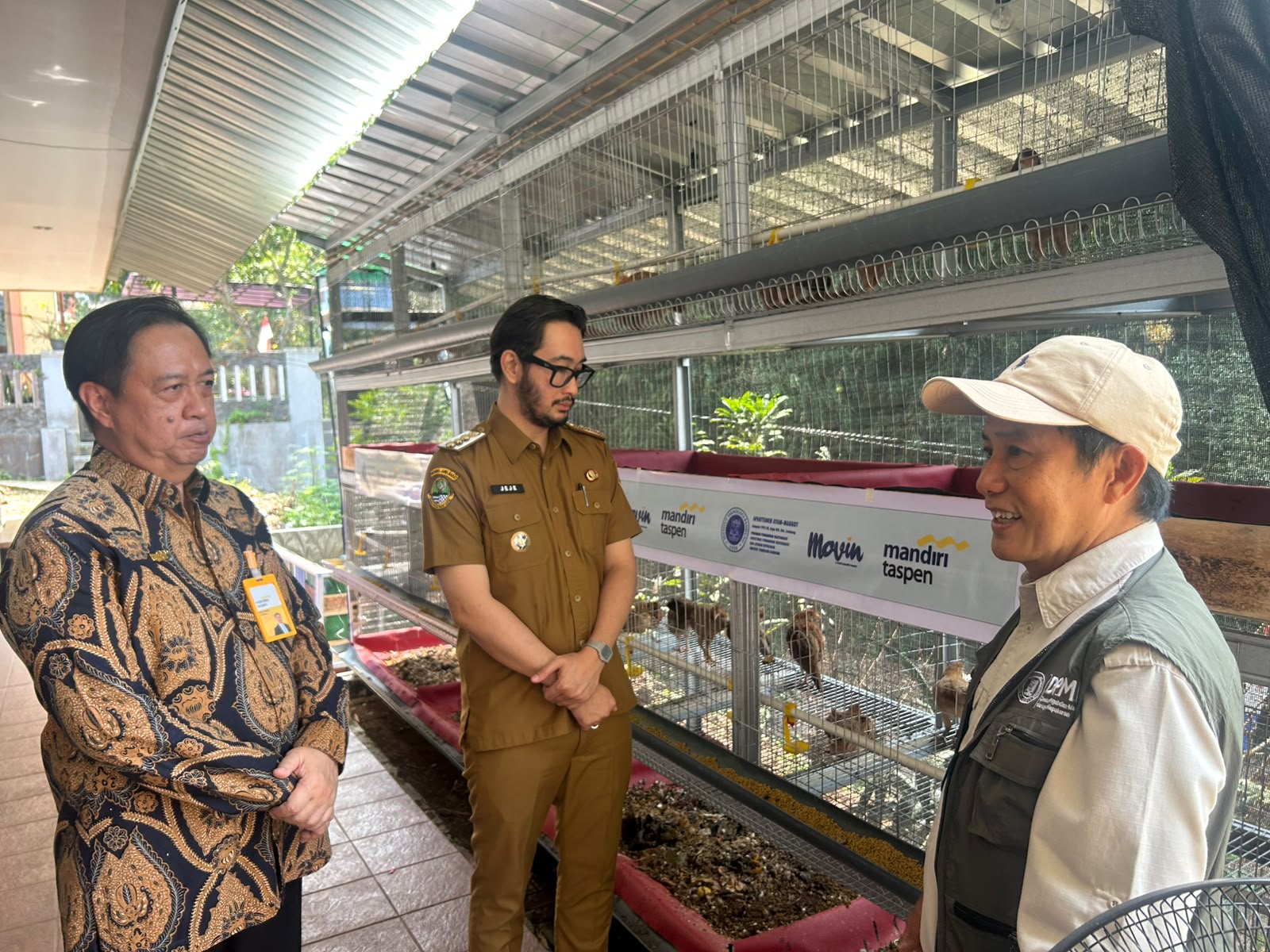
This community service project is carried out by Yogie Candra Bhumi, S.Ds., M.Ds. as the head and Dr. Kukuh Rizki Satriaji, S.Ds., M.T. as a member, both of whom are lecturers from the Human and Interior Space Research Group at ITB. This activity also received support from Arnold Maximillian, M.Ds., an Interior Design Lecturer at Maranatha Christian University, and involved a total of 16 undergraduate (S1), master's (S2), and doctoral (S3) ITB students.
Series of Activities Based on Societal Layers
.jpg)
The workshop execution was designed inclusively by dividing participants based on age groups so that education could be delivered effectively. The adult and adolescent groups focused on material introduction, the use of tools, and the process of processing PET bottles into filament and printing them into 3-dimensional objects.
On the other hand, the children's group was invited to explore practically by making accessories such as headbands and brooches using a 3D pen, packaged as part of the "sakoling" (environmental school) activity usually held every weekend to keep children away from negative social influences. The introduction of this 3D pen medium is an effort to introduce the basic principles of additive manufacturing, where materials are fully utilized with minimal waste.
This division reflects an integrated community ecosystem: the mothers are active in sorting waste and physically processing it into woven-based products, the fathers assist with technical matters, the children receive fun environmental education, while the youth have their skills developed to be able to see various potentials in the future.
PET Filament Potential and Youth as Catalysts
.jpg)
Although 3D filament technology is still very new to local residents, its potential is considered very large thanks to the presence of a local youth named Idan and his older brother. Both of them, who work as 3D modelers, have an excellent basic understanding of the technology, enabling them to become catalysts bridging technological innovation with the real needs of the community.
According to Yogie Candra Bhumi, PET has superior physical characteristics that are flexible, strong, and heat-resistant. "These characteristics should belong to items that actually have a high value. So, I think PET is a type of plastic that deserves a much longer lifespan than just being a mineral water bottle," explained Yogie.
Hopes and Ecosystem Sustainability
.jpg)
Moving forward, Yogie, as the head of this community service, hopes for continued funding to perfect the coloring and filament joining techniques. He also hopes to change the basic perception regarding waste. According to him, plastic material is one of human civilization's greatest inventions, but it is human behavior that turns it into a single-use item that needs to be fixed.
On the other hand, Dian Nurdyana, Founder and Chairman of the Masagi Cibogo Community, places great hope in post-production sustainability, especially regarding assistance in marketing and selling the final 3D filament products.
.jpg)
The man affectionately known as Mang Dian emphasized that collaboration is the absolute key. "All problems cannot be solved alone, there is no superman in this world, what exists is a super team, let's build that ecosystem," he concluded.
Reporter: Khalifah Hanif (Interior Design Student, 2023)
.png)
.jpg)
.jpg)
.jpg)
.jpg)