ITB Professor Participates in COP31 Türkiye, Contributing to Global Climate Action
By M. Naufal Hafizh, S.S.
Editor M. Naufal Hafizh, S.S.
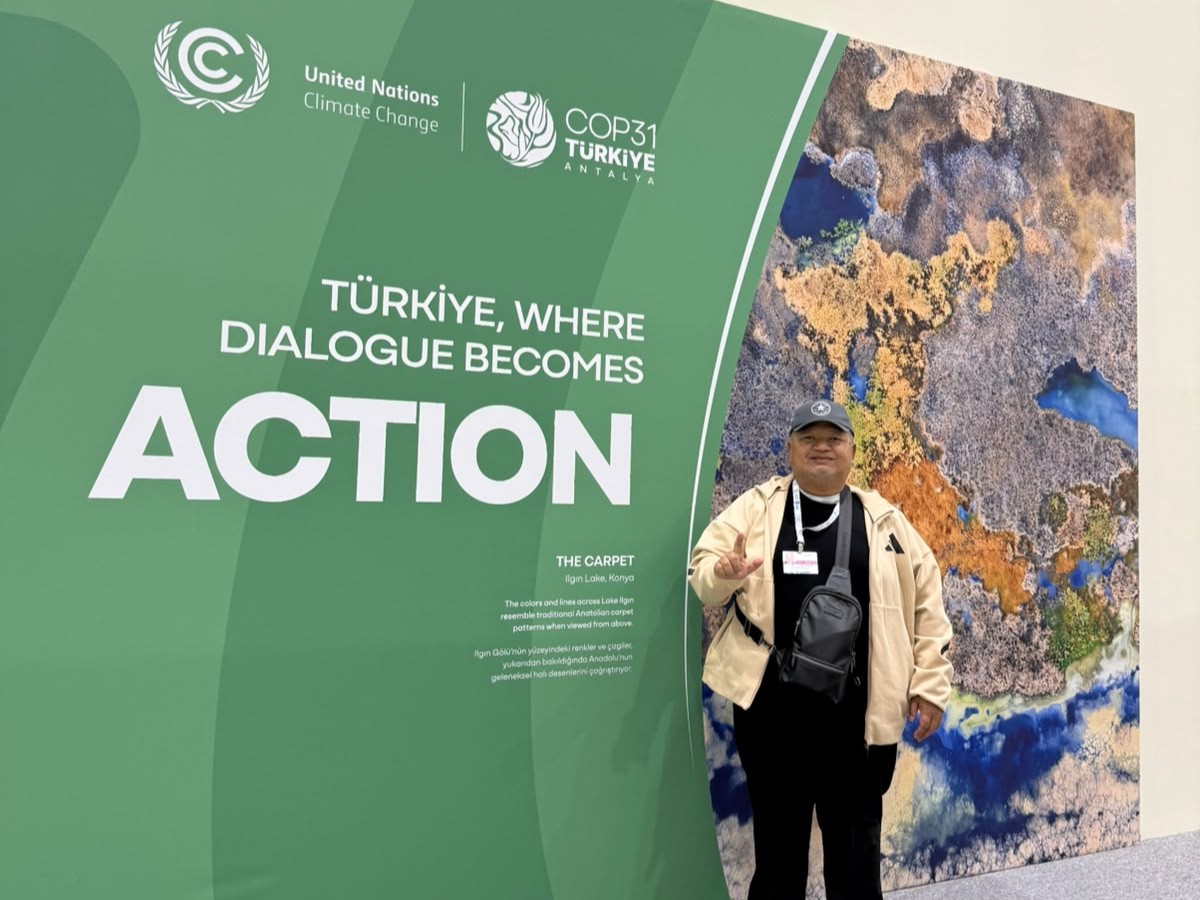
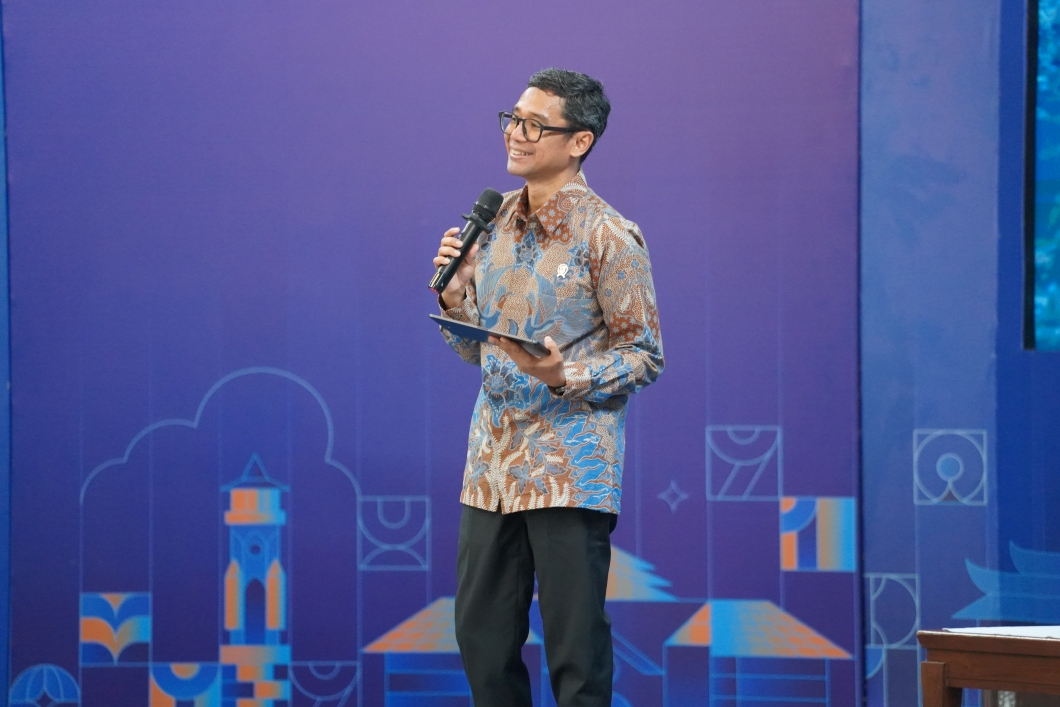
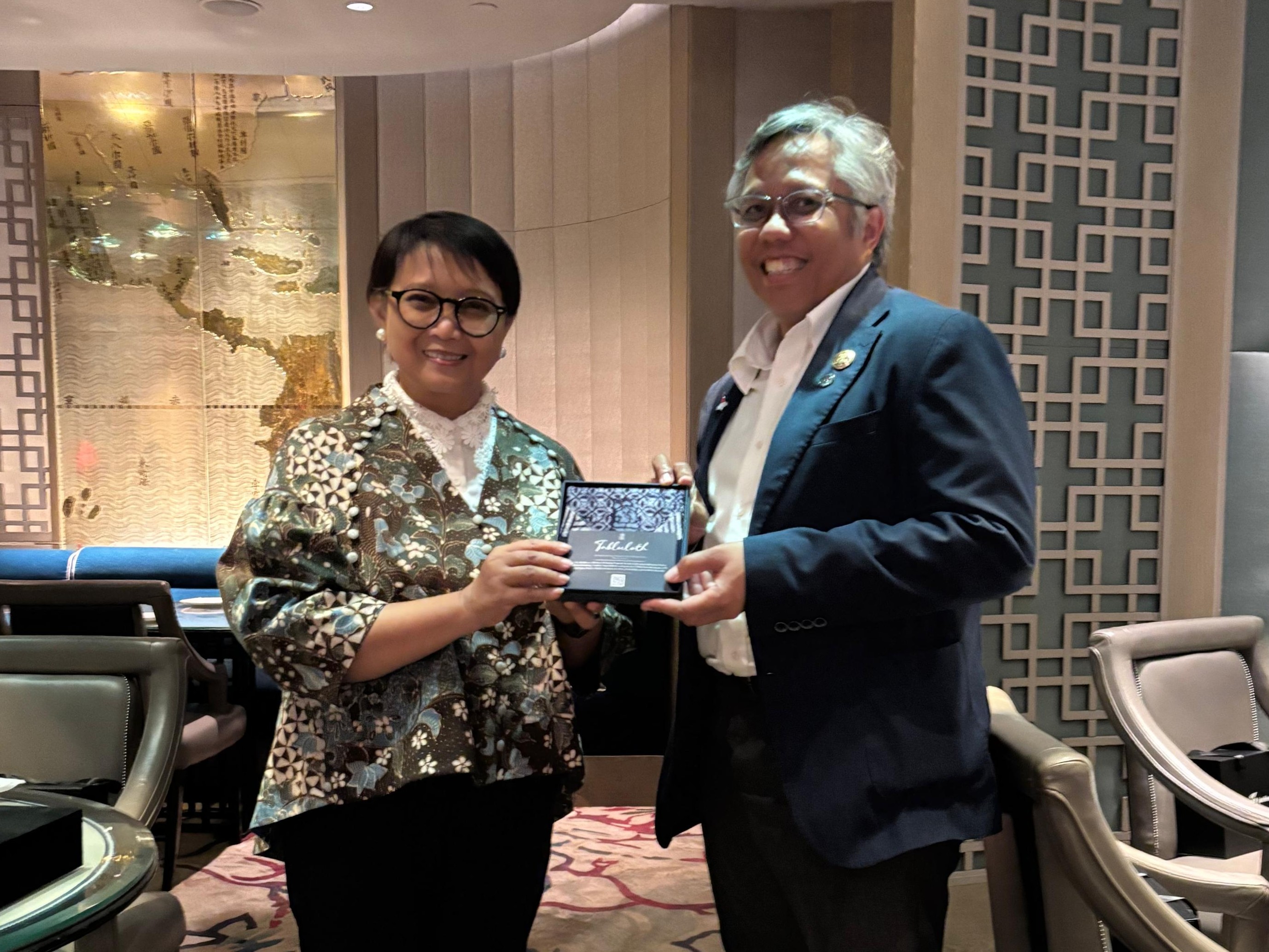
BANDUNG, itb.ac.id – Professor at the School of Electrical Engineering and Informatics (STEI), Institut Teknologi Bandung (ITB), Prof. Ir. Emir Mauludi Husni, M.Sc., Ph.D., is contributing to efforts to address climate change through his role as a scientific advisor on evidence-based environmental policy to Indonesia’s Minister of Environment/Head of the Environmental Control Agency (KLH/BPLH) at the 31st United Nations Climate Change Conference (COP31), held in Antalya, Türkiye, from November 9 to 20, 2026.
His involvement is part of broader efforts to bridge scientific research and technological advancements with environmental policymaking. Data-driven and evidence-based approaches are essential to developing climate policies that are more effective, measurable, and responsive to the challenges faced by communities.
Drawing on his expertise in computer engineering, Prof. Emir brings insights into the application of computing technologies and intelligent systems to support environmental management. His scientific contributions are expected to strengthen the development of policies that promote environmental protection, community resilience to climate change, and sustainable development in Indonesia.
COP31 is an international forum that brings together governments, international organizations, academics, industry representatives, and various stakeholders to strengthen cooperation in addressing climate change. The conference focuses on reducing greenhouse gas emissions, climate change adaptation, green financing, and the application of science and technology to advance global climate action.
The Role of Technology in Addressing the Climate Crisis
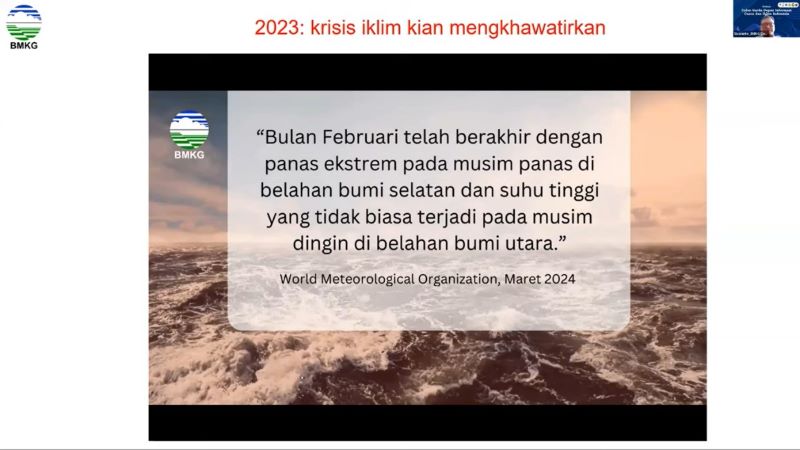
COP31 takes place amid growing urgency to address the global climate crisis. In its State of the Climate 2026 update, the World Meteorological Organization (WMO) highlighted rising global temperatures, ocean warming, sea-level rise, and the increasing risks posed by extreme weather events to human lives and ecosystems.
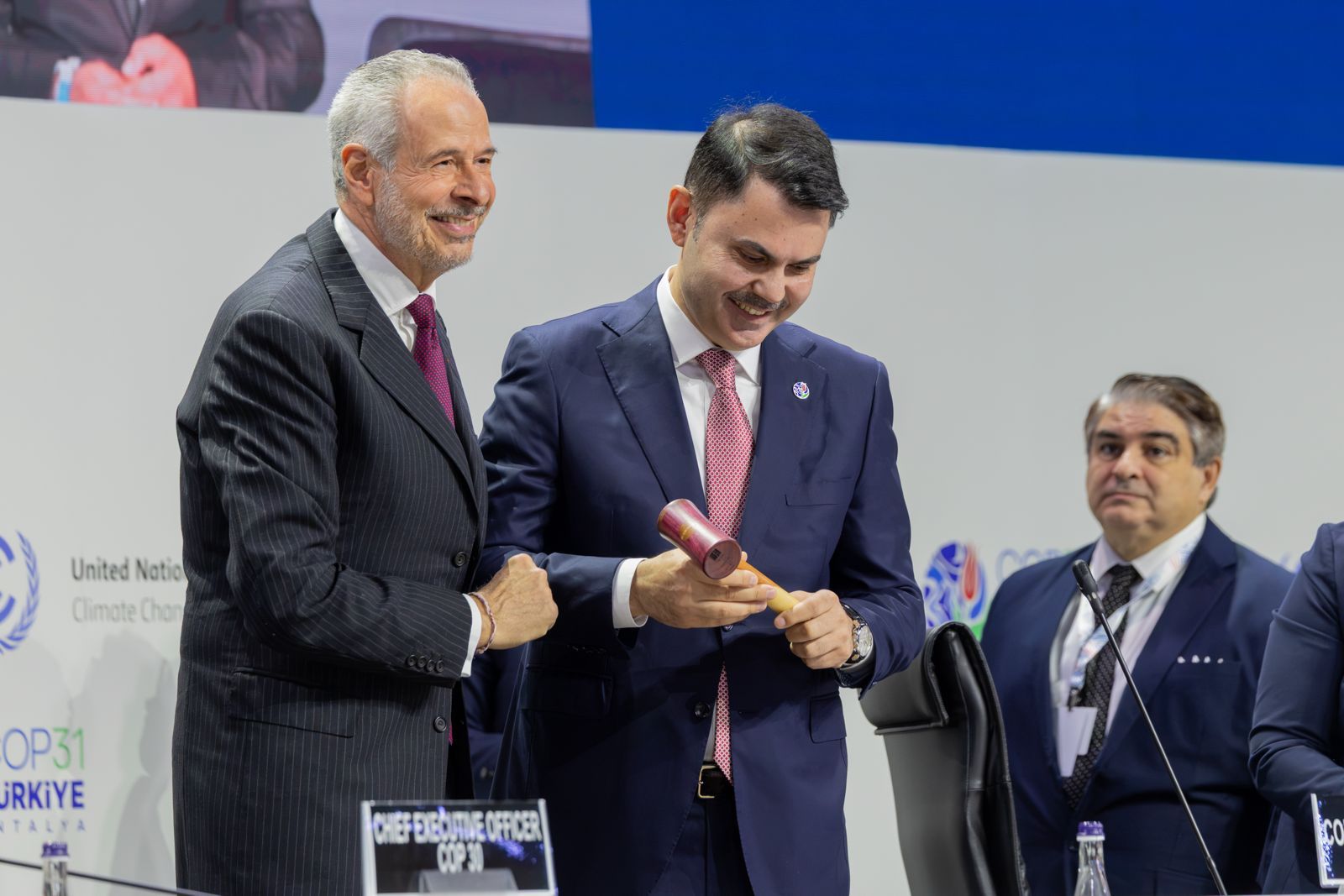
Doc. cop31.tr
These challenges demonstrate that addressing climate change requires contributions from multiple scientific disciplines, including electrical engineering, informatics, and computer engineering.
Advances in artificial intelligence (AI), data analytics, sensor technologies, remote sensing, and environmental monitoring systems offer opportunities to generate more accurate information to support informed decision-making.
For example, sensor technologies and monitoring systems can collect environmental data, while data analytics and artificial intelligence can help identify patterns of change and support environmental risk assessments.
Through research and technological innovation, STEI ITB has the potential to contribute to solutions for sustainability challenges. The involvement of academics in policymaking also underscores the importance of collaboration among universities, governments, and other stakeholders to ensure that scientific advancements benefit society.
Supporting Indonesia's Role in Global Climate Action
At COP31 Türkiye, Indonesia is promoting the message "Indonesia Delivering Climate Solutions at Scale," emphasizing the importance of delivering tangible, measurable, and scalable climate solutions.

Doc. RRI
Through the Indonesia Pavilion, which opened on November 9, 2026, the government provides a platform for international dialogue and cooperation on clean energy transitions, ecosystem protection, urban climate resilience, the circular economy, climate finance, and stronger cross-sector partnerships.
Prof. Emir's participation in the conference represents one form of academic support for Indonesia's national environmental policy agenda. Expertise from universities can help bridge development needs with advances in scientific research and technological innovation.
ITB's involvement in international forums such as COP31 also reflects efforts by Indonesian higher education institutions to contribute scientific expertise to pressing global challenges, particularly climate change and sustainable development.
ITB's participation aligns with the United Nations Sustainable Development Goals (SDGs), particularly SDG 13: Climate Action; SDG 9: Industry, Innovation and Infrastructure; and SDG 17: Partnerships for the Goals.
By strengthening the connection between scientific knowledge, technological innovation, and evidence-based policymaking, ITB seeks to expand the role and contributions of higher education institutions in addressing global challenges.