ITB Promotes Living Lab Development to Strengthen Community-Based Research and Community Service
By --- -
Editor Anggun Nindita
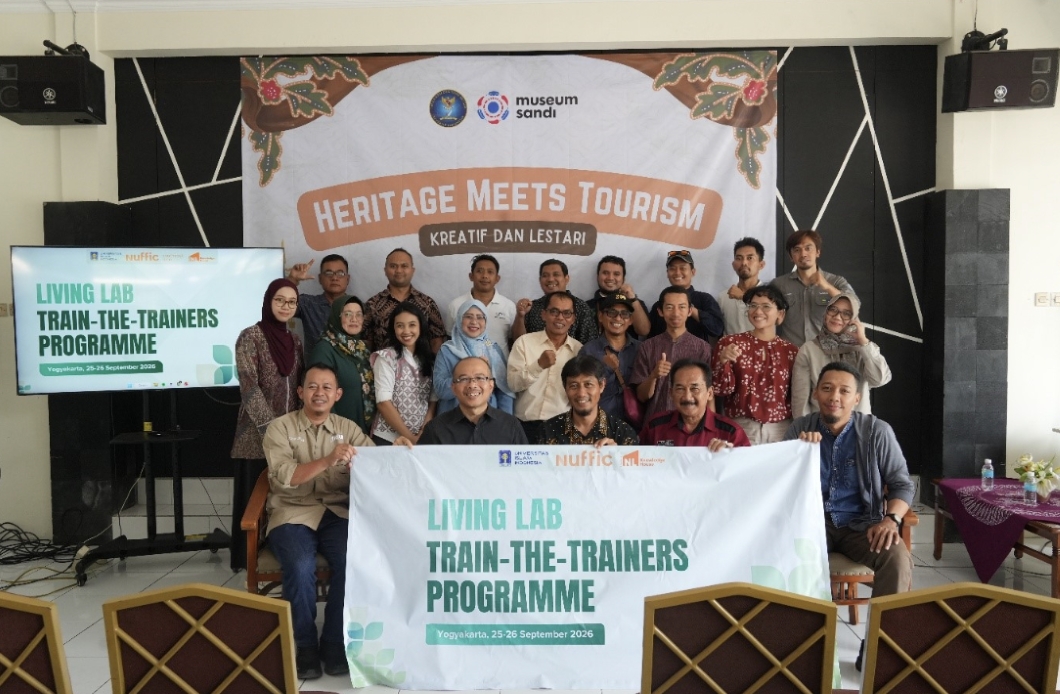
YOGYAKARTA, itb.ac.id — Institut Teknologi Bandung (ITB) participated in the Living Lab Train-the-Trainers Programme 2026, held at Universitas Islam Indonesia (UII), Yogyakarta, on September 24–25, 2026. ITB was represented by Husna Nugrahapraja, S.Si., M.Si., Ph.D., from ITB's School of Life Sciences and Technology (SITH).
The programme provided ITB with an opportunity to explore the Living Lab approach as a collaborative model that brings together universities, communities, government institutions, and other stakeholders to address real-world challenges.
The programme was a collaborative initiative between NL Knowledge House (NLKH), a network of Indonesian and Dutch knowledge institutions, and the Ministry of Higher Education, Science, and Technology (Kemdiktisaintek). It aimed to strengthen the capacity of Living Lab managers, particularly in developing initiatives that integrate community participation, research, and community service.
Living Labs as Spaces for Collaboration
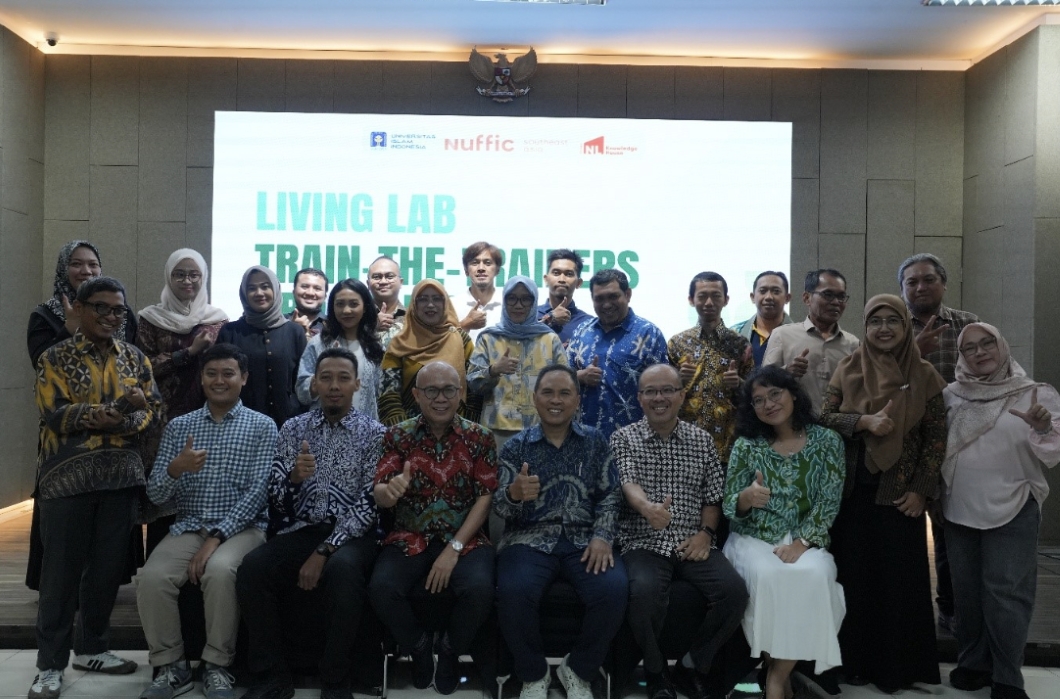
During the training, participants learned about the fundamental principles of Living Lab development, including the 5C model: Challenge, Community, Contribution, Connect, and Continue. They also gained insights into the implementation of Living Labs in higher education institutions and various practices of community-based collaboration.
Several experiences in Living Lab development were discussed, including ROH Labs (Roof Over Our Heads) in Yogyakarta. The programme engages local communities in improving residential areas and housing conditions through cross-sector collaboration.
This approach demonstrates that communities are not merely beneficiaries but also active participants in planning and implementing solutions.
Husna believes that the Living Lab concept has the potential to strengthen the integration of research, education, and community service at ITB.
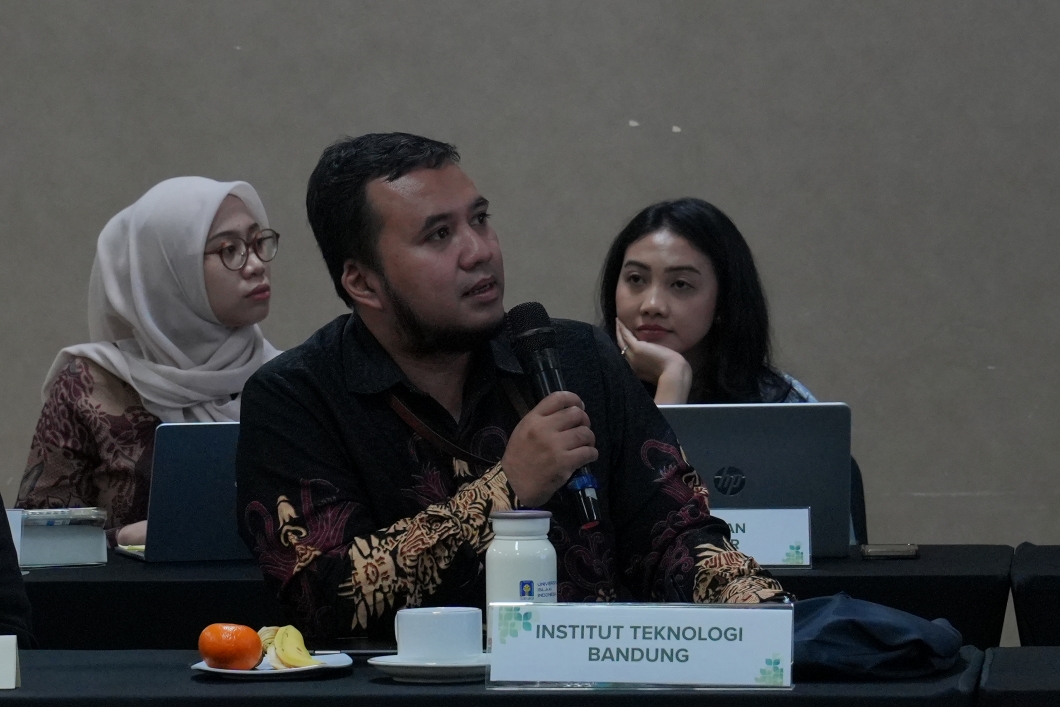
"I see Living Labs as a strategic platform for connecting research, education, and community service. We hope to adopt this methodology in our community service and research programmes, particularly those that are community-based," she said.
Learning Firsthand from Kampung Lampion
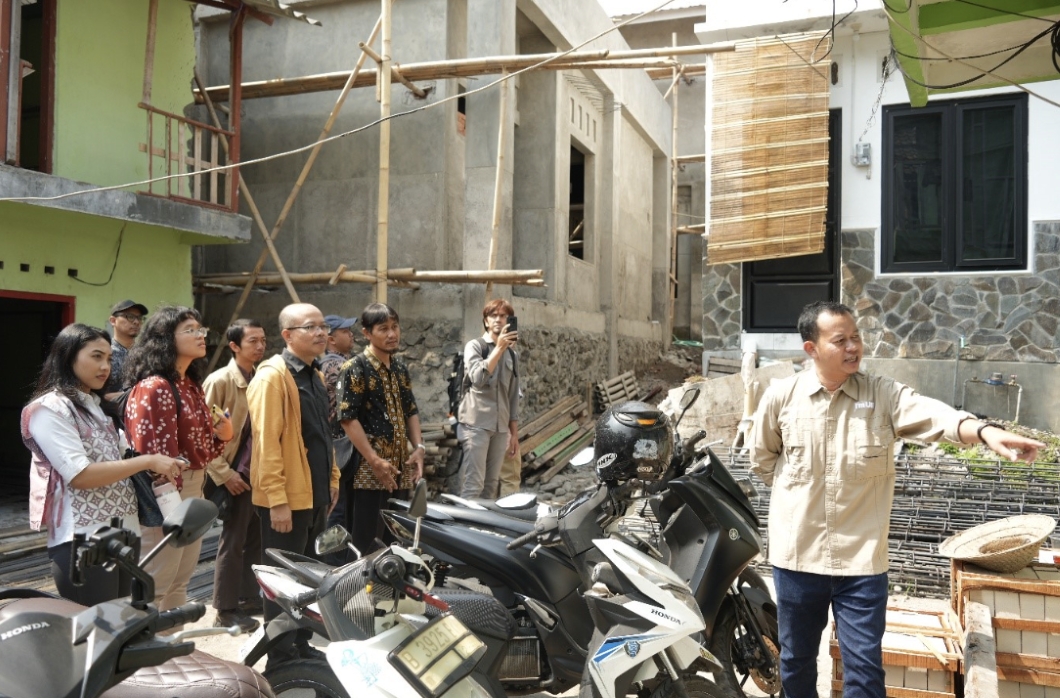
On the second day, participants visited Kampung Lampion in Kotabaru, Yogyakarta. During the visit, they observed the implementation of a community-based approach to developing decent and habitable housing through the direct involvement of local residents.
The field visit also provided insights into governance challenges, land-related issues, and opportunities to implement similar models in other regions.
ITB's participation in the programme marks a step toward exploring the development of the Living Lab approach within the university in collaboration with various partners. This approach is considered relevant to supporting sustainable solutions that respond to community needs, particularly in areas such as sustainable food systems, environmental health, and community development.