ITB Urban Planning Expert Highlights the Potential of ITB Ultra Marathon 2026 to Promote Sustainable Public Spaces
By Anggun Nindita
Editor Anggun Nindita
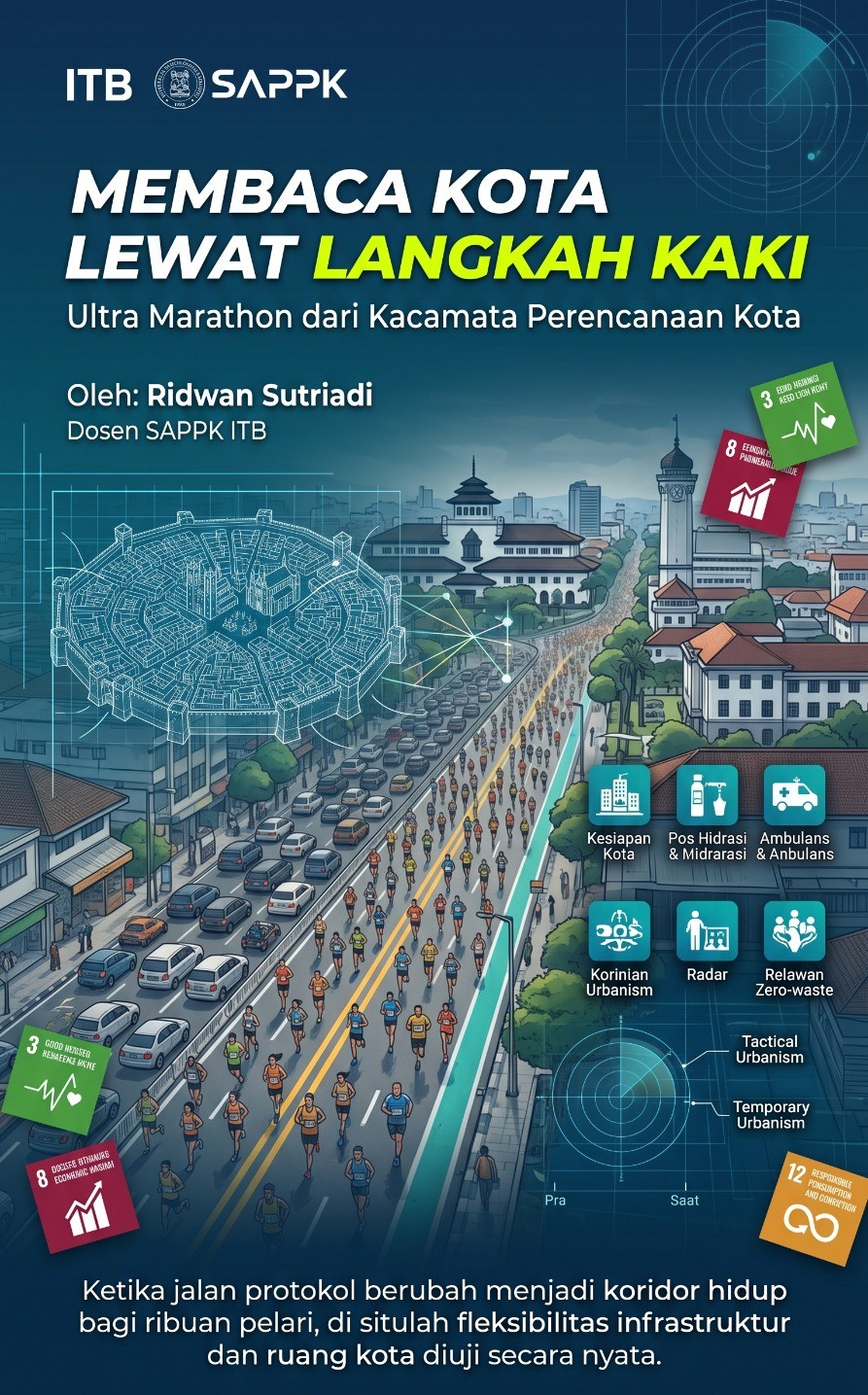
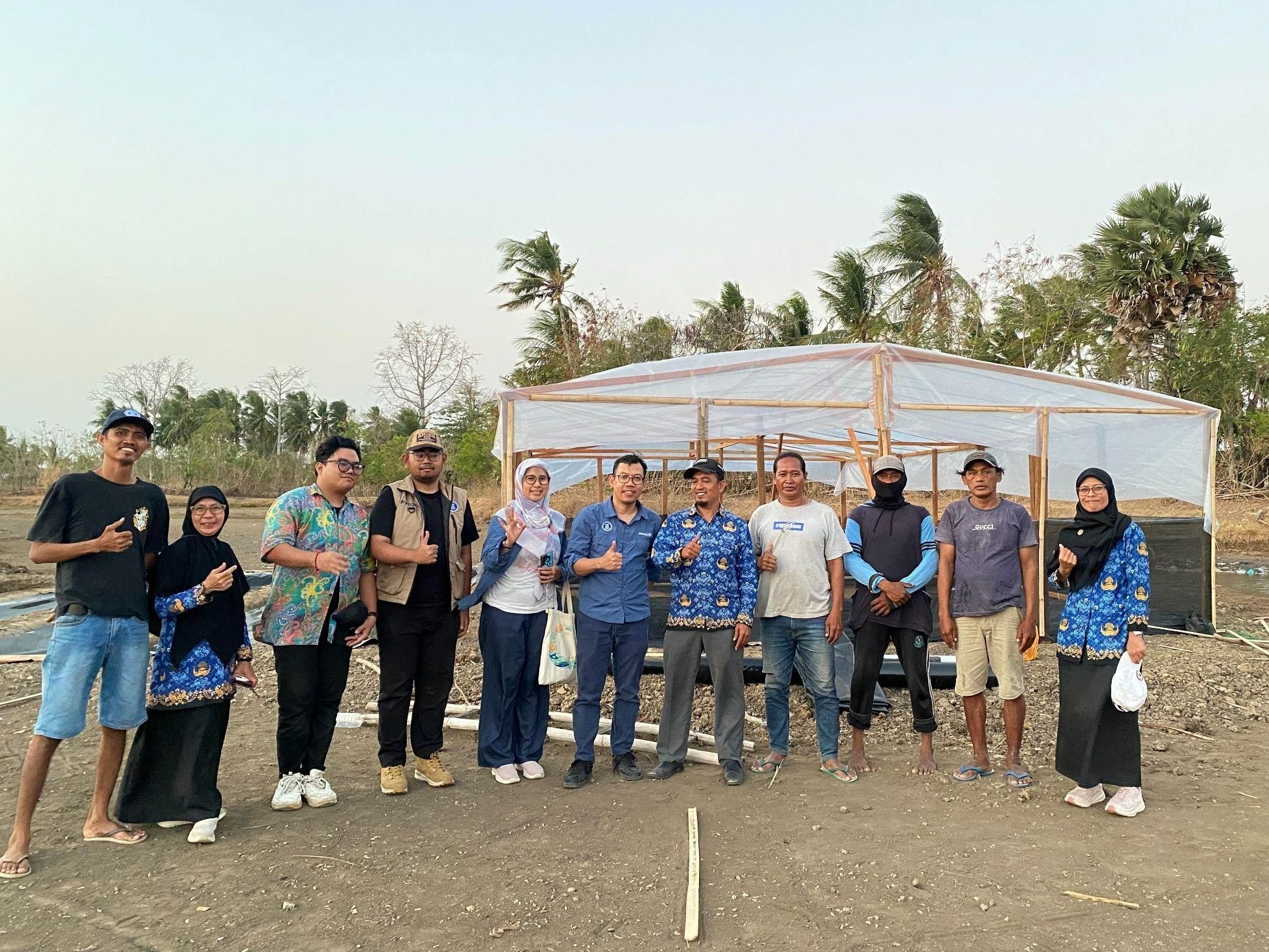
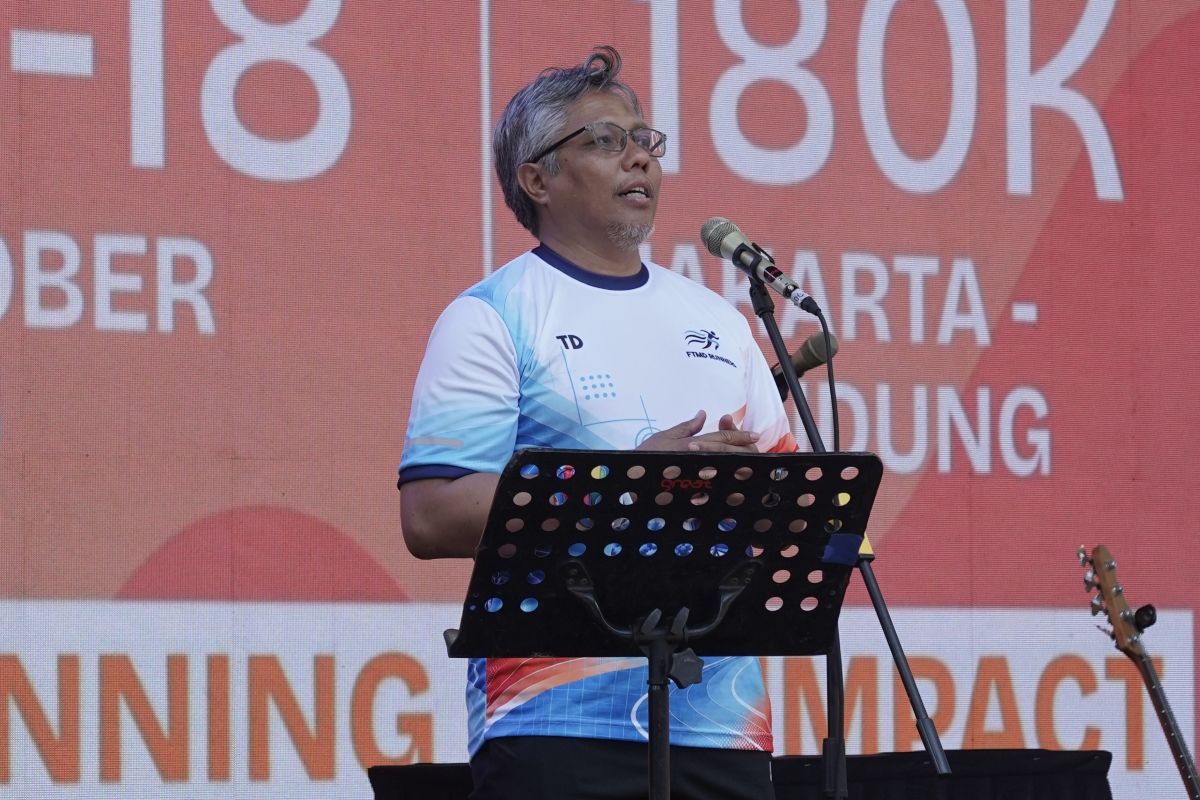
Photo: Courtesy of Prof. Ridwan Sutriadi/SAPPK ITB
BANDUNG, itb.ac.id — Roads that are typically crowded with motor vehicles can temporarily transform into spaces for thousands of runners and local communities during long-distance running events. Beyond the excitement of the competition, ITB Ultra Marathon 2026 offers an opportunity to rethink how urban spaces can better serve the public.
Professor of the School of Architecture, Planning and Policy Development (SAPPK) at Institut Teknologi Bandung (ITB) and urban planning expert, Prof. Ir. Ridwan Sutriadi, S.T., M.T., Ph.D., believes that long-distance running events such as ITB Ultra Marathon 2026 serve not only as sporting activities and tests of physical endurance but also as opportunities to evaluate infrastructure readiness and the quality of urban spaces.
From an urban and regional planning perspective, Prof. Ridwan views long-distance running events as spatial planning experiments and real-world laboratories for testing the resilience and flexibility of urban infrastructure.
"ITB Ultra Marathon 2026 can demonstrate how roads that are normally dominated by motor vehicles can temporarily be transformed into more people-oriented spaces," he said.
In urban and regional planning, this phenomenon is associated with the concept of temporary urbanism, which refers to the temporary use of urban spaces for purposes different from their usual functions. Through such events, communities can explore alternative ways of utilizing public spaces that have traditionally been dominated by vehicles.
An Opportunity to Create More People-Friendly Cities
Prof. Ridwan explained that ITB Ultra Marathon 2026 could serve as a real-world laboratory for assessing a city's capacity to accommodate large-scale public activities.
Beyond road conditions, the event also involves transportation management, road user safety, access to emergency services, and interactions between participants and residents along the route.
Furthermore, selecting routes that pass through historical districts, economic centers, and iconic city landmarks can help introduce a city's identity and attractions to a wider audience.
"At the same time, selecting routes that pass through important landmarks, commercial areas, and residential neighborhoods can serve as a city branding instrument that strengthens the city's identity in the eyes of the public," he explained.
In this context, ITB Ultra Marathon 2026 has the potential to contribute to city branding by building a positive image of the city through the firsthand experiences of participants and visitors.
However, Prof. Ridwan emphasized that these benefits can only be realized through careful planning and collaboration among various stakeholders.
Public Safety and Mobility Must Remain Priorities
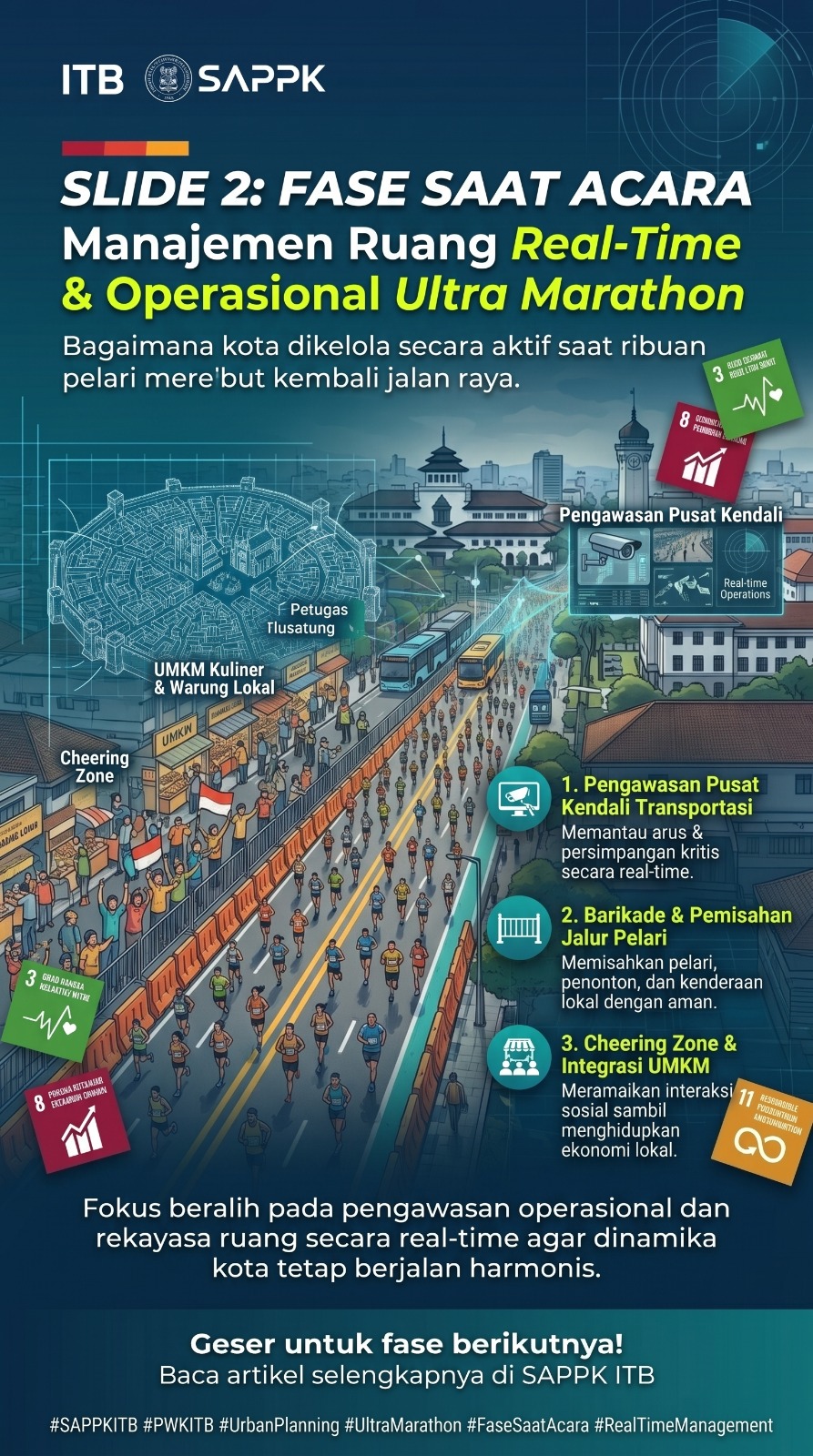
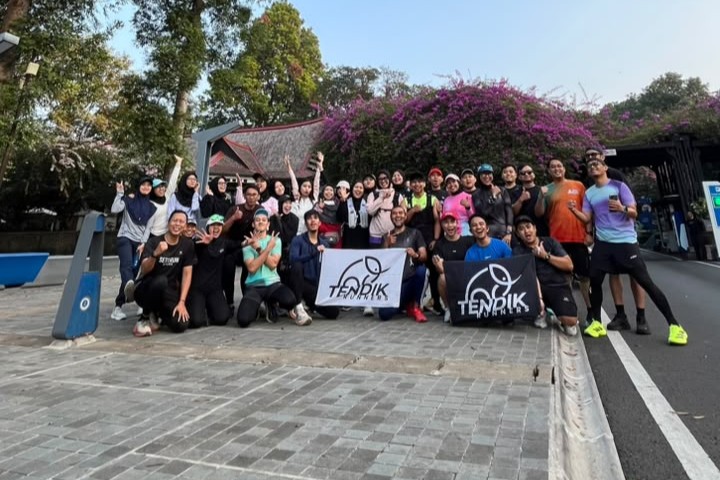
Photo: Courtesy of Prof. Ridwan Sutriadi
One of the challenges in organizing ITB Ultra Marathon 2026 is ensuring that residents can continue their daily activities even when certain roads are temporarily designated as running routes.
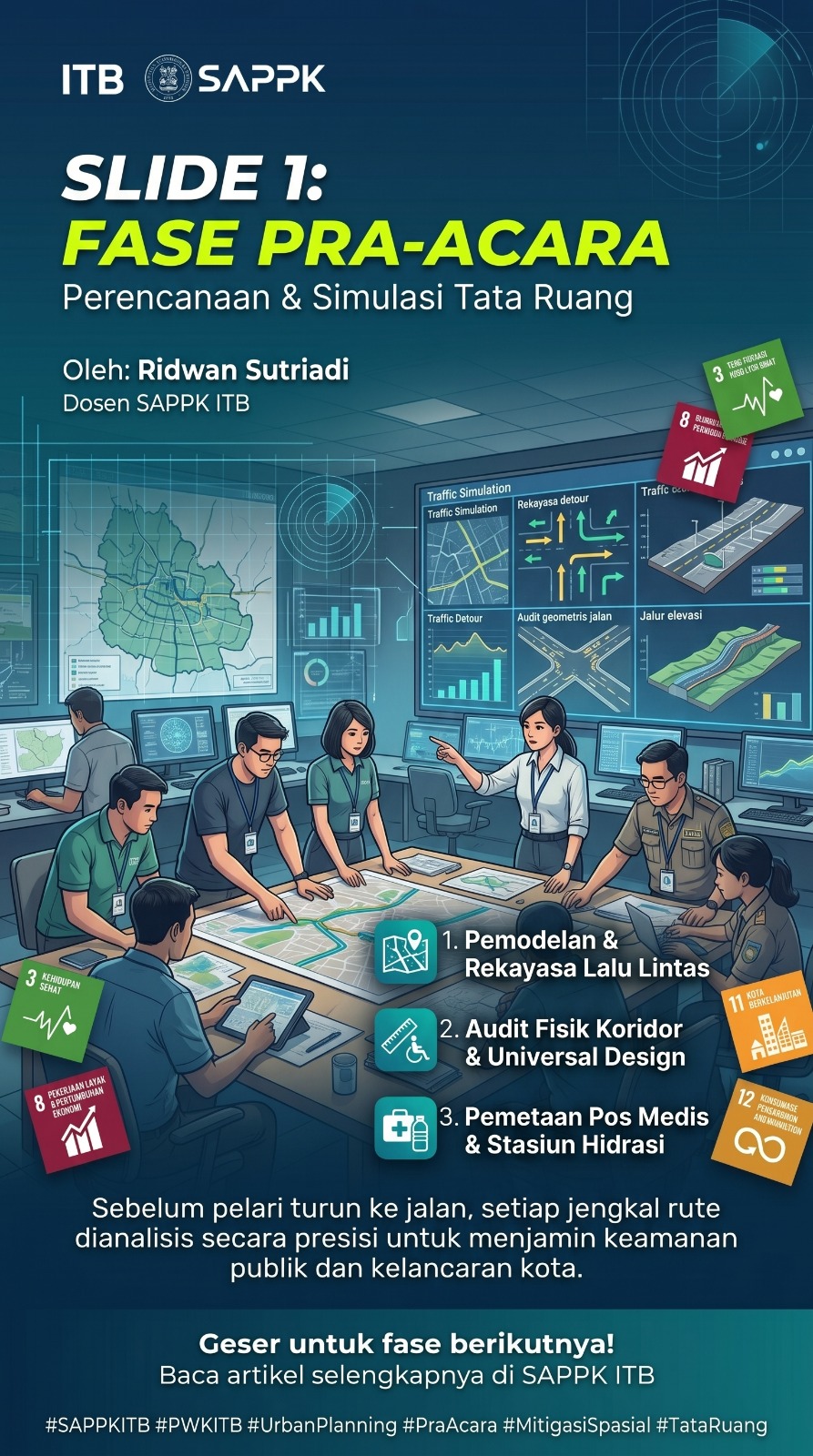
Prof. Ridwan highlighted the importance of preparation across three stages: before, during, and after the event.
"Before the event, urban readiness should focus on strategic planning and risk mitigation," he stated.
During the preparation stage, organizers and relevant authorities need to conduct traffic assessments and implement traffic management measures to establish alternative routes for vehicles. Access to hospitals, railway stations, fire stations, and other emergency services must also remain unobstructed.
Road conditions, lighting, medical assistance points, hydration facilities, and parking areas must be assessed to ensure they are safe and adequate.
During the event, active traffic monitoring is essential, particularly at intersections that connect with or cross the running route. Separating runners, vehicles, and spectators is also crucial to minimizing the risk of accidents.
Meanwhile, public transportation arrangements can help reduce private vehicle congestion and facilitate mobility throughout the event.
With proper planning, ITB Ultra Marathon 2026 is expected to run smoothly while ensuring that the needs of residents carrying out their daily activities are not overlooked.
Creating Economic Opportunities for MSMEs and Local Communities
Beyond its potential contribution to urban development, ITB Ultra Marathon 2026 could also generate positive economic and social impacts.
Prof. Ridwan highlighted opportunities for micro, small, and medium enterprises (MSMEs) located along the running route. The presence of runners and spectators could help promote local products, culinary offerings, and other community-based economic activities.
"Designated areas where spectators can support runners, known as cheering zones, can also be designed as vibrant and well-organized spaces for social interaction," he explained.
"In addition, urban planners and relevant stakeholders can identify suitable cheering zones and organize areas for local MSMEs along the route, allowing community interactions to take place in a lively yet safe and orderly environment," he added.
Through this approach, local residents would not merely serve as spectators but could actively participate in and benefit from the event taking place in their communities.
From a Sporting Event to a More Sustainable City
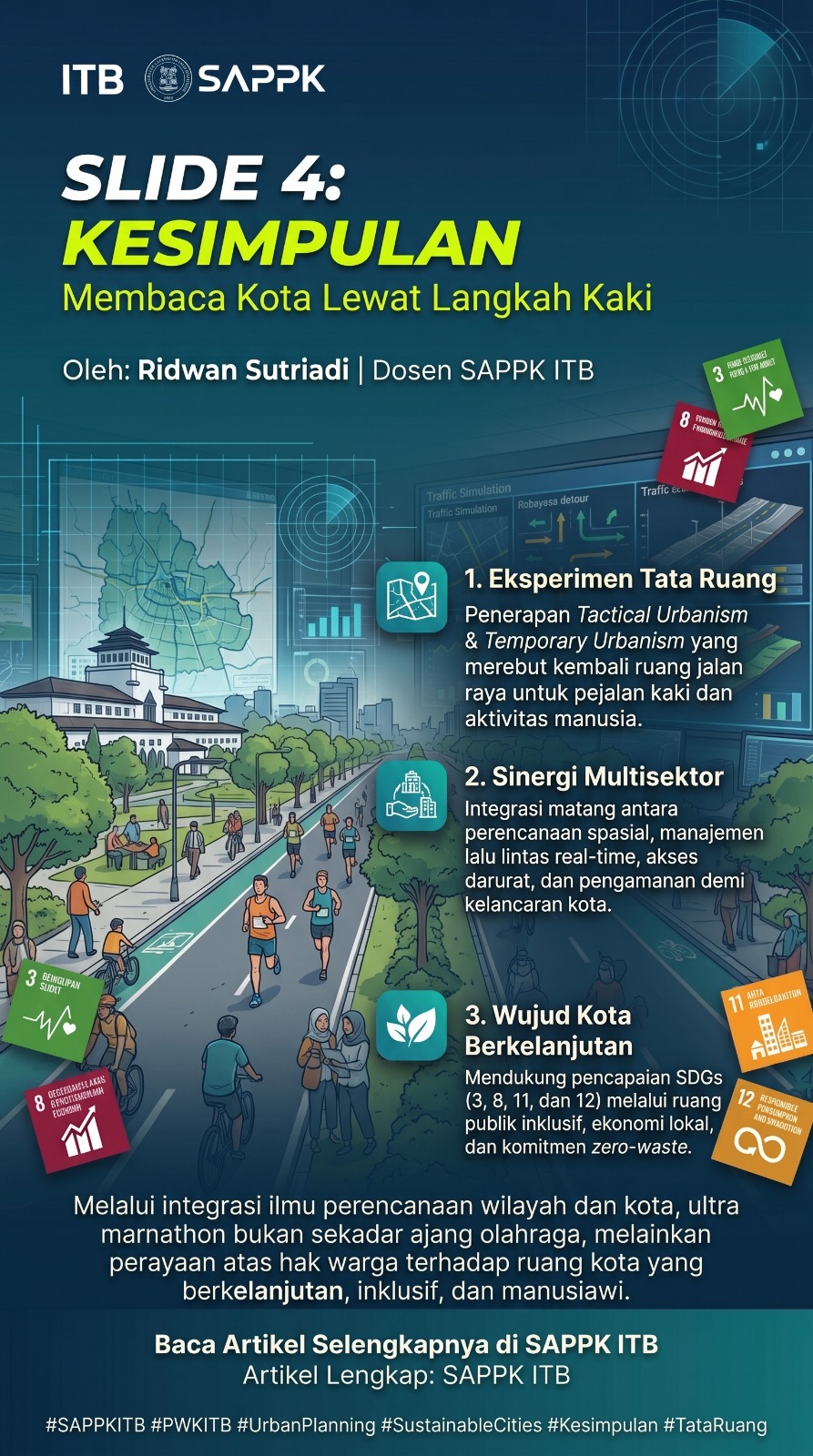
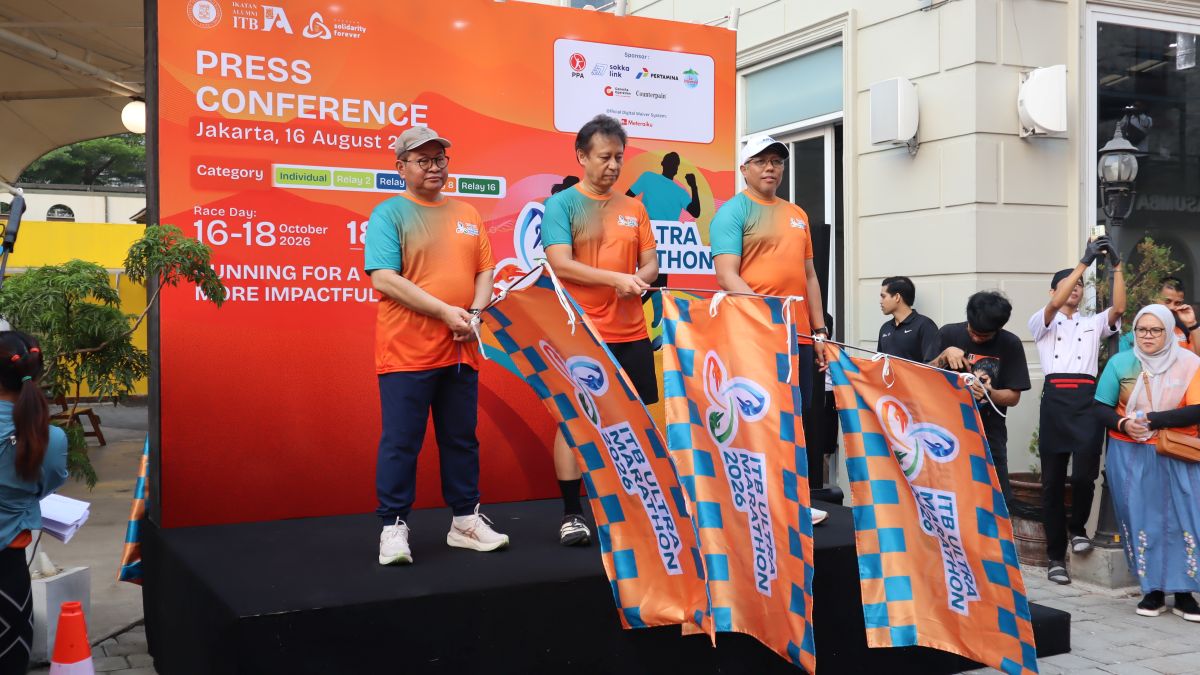
Photo: Courtesy of Prof. Ridwan Sutriadi
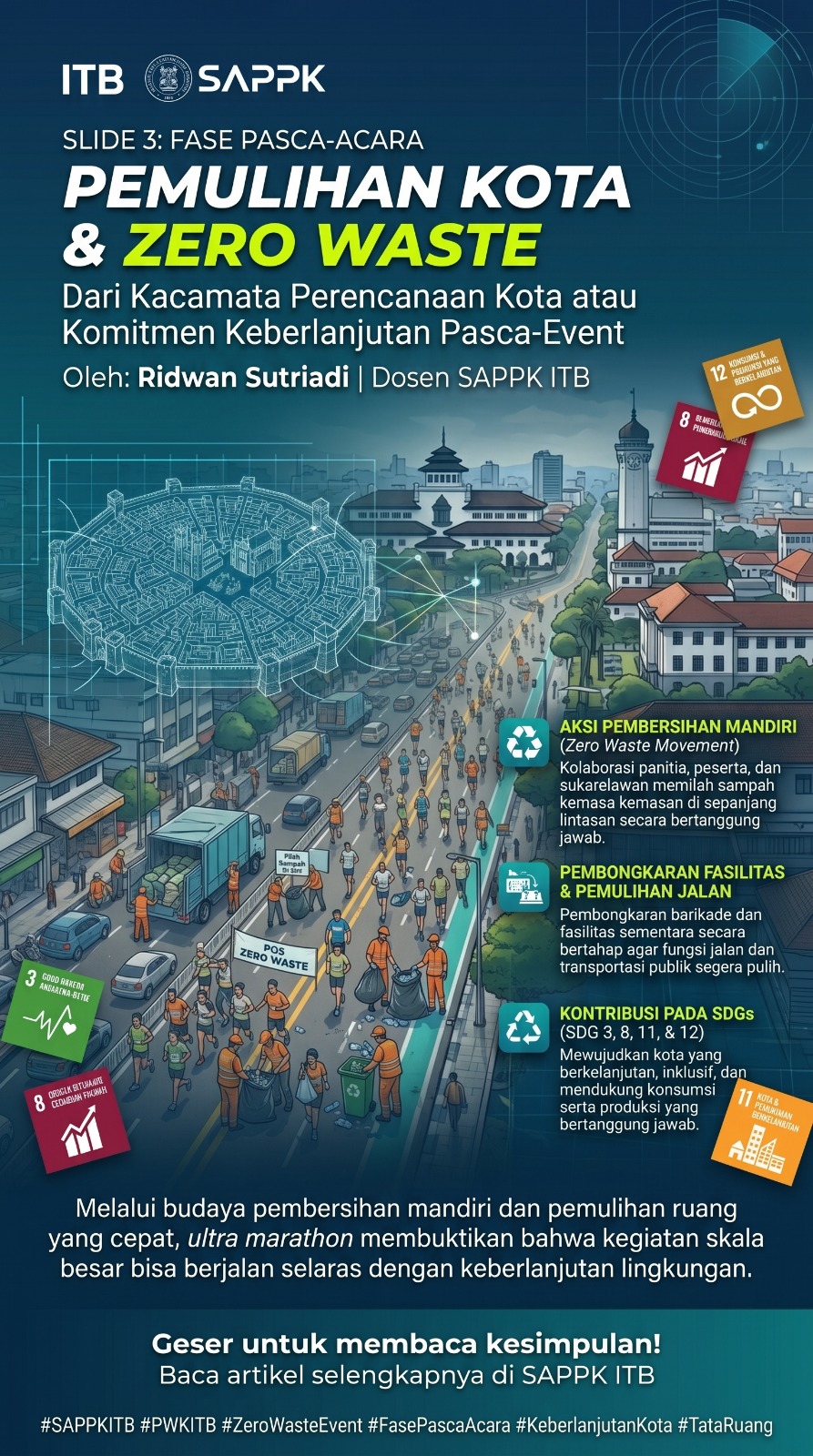
Another aspect emphasized by Prof. Ridwan is environmental responsibility following the event.
He believes that maintaining the cleanliness of running routes and restoring normal road functions should not be the sole responsibility of local governments or sanitation workers.
"Waste management should no longer be entirely dependent on municipal sanitation workers. Instead, it should begin with independent cleanup efforts by organizers, participants, and event volunteers through a zero-waste movement, encouraging the responsible sorting and collection of food and beverage packaging waste along the route," he explained.
After the event concludes, temporary facilities and road barriers should also be promptly removed to allow transportation and public services to return to normal.
Furthermore, evaluations based on traffic data and community feedback are necessary to improve the organization of similar events in the future.
Prof. Ridwan considers this approach aligned with several United Nations Sustainable Development Goals (SDGs), particularly SDG 11 (Sustainable Cities and Communities), SDG 3 (Good Health and Well-being), SDG 8 (Decent Work and Economic Growth), and SDG 12 (Responsible Consumption and Production).
From an urban and regional planning perspective, ITB Ultra Marathon 2026 represents more than a long-distance running competition. It also provides an opportunity to foster collaboration among governments, event organizers, businesses, and communities in creating healthier, safer, more inclusive, and sustainable urban environments.
He further emphasized that by integrating urban and regional planning principles, long-distance running events should no longer be perceived merely as activities that disrupt public order. Instead, they can become celebrations of citizens' rights to sustainable, inclusive, and people-centered urban spaces.
Ultimately, the success of ITB Ultra Marathon 2026 should not be measured solely by the number of participants or runners' finishing times, but also by the extent to which the event encourages the creation of more comfortable and accessible urban spaces for everyone.