Professor Henndy Ginting’s Academic Lecture: Modifying Holistic Leadership Behaviour to Prepare Future Leaders
By -
Editor M. Naufal Hafizh, S.S.
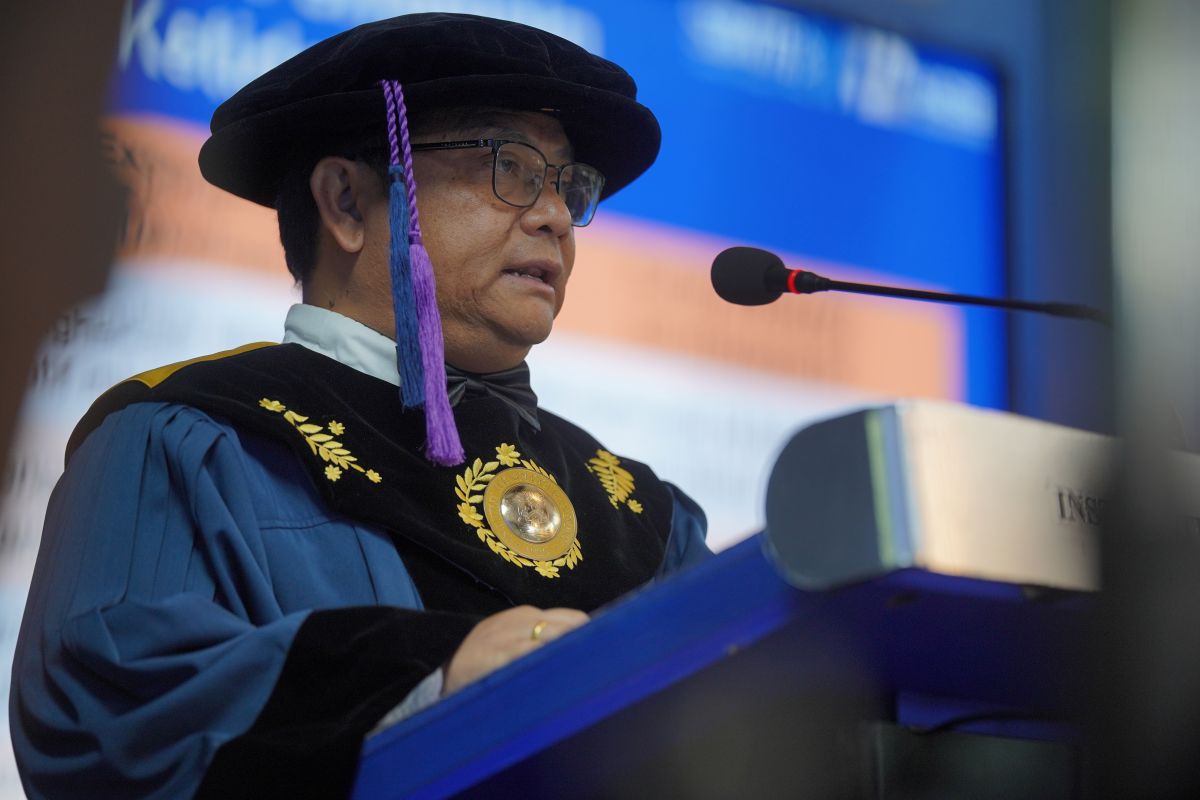
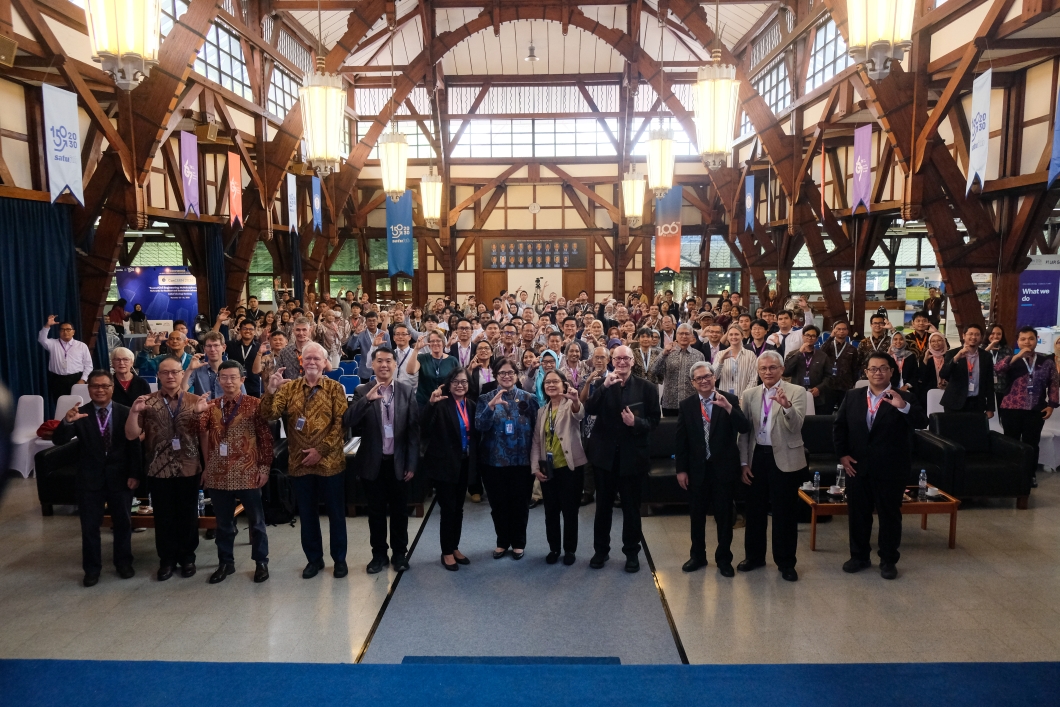
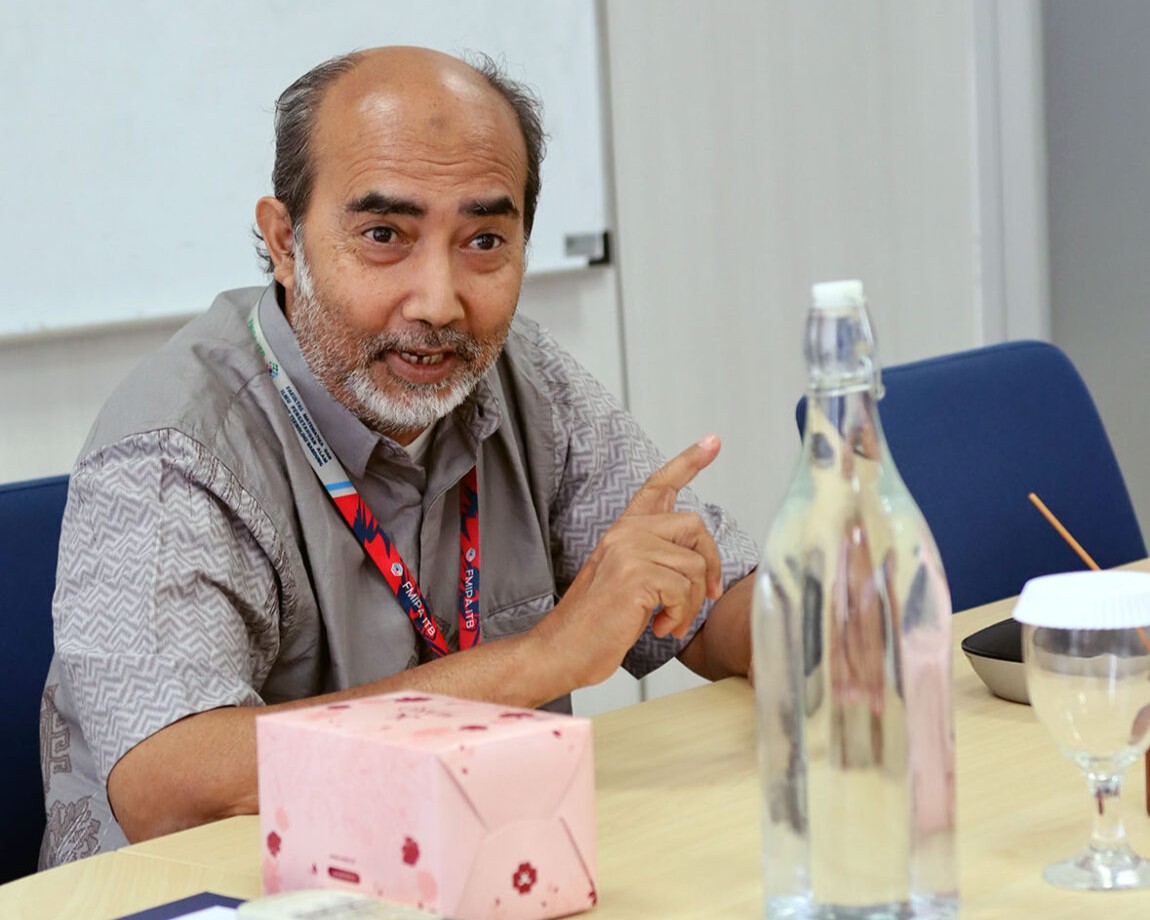
BANDUNG, itb.ac.id – Prof. Dr Henndy Ginting, S.Psi., M.Si., a psychologist, lecturer at the School of Business and Management, Institut Teknologi Bandung (SBM ITB), and Chair of the People and Knowledge Management Expert Group, delivered a keynote lecture entitled “Modification of Holistic Leadership Behaviour” at the Full Professor Keynote Lecture event held in the West Hall, ITB Ganesha Campus, on Saturday (8 August 2026).
Prof. Henndy currently also serves as Chair of the SBM ITB Senate. Throughout his academic career, Prof. Henndy has contributed to the supervision of students, having served as principal supervisor and co-supervisor for 20 undergraduate students, 100 master’s students and 7 doctoral students. In terms of publications, he has produced 22 international publications as first author or co-author, as well as 19 national publications.
As an academic, Prof. Henndy focuses on teaching in the fields of psychology and organisational behaviour at SBM ITB. Through his area of expertise, he has developed research into how individual behaviour can be shaped and developed to support organisational needs, particularly in the context of leadership.
In his inaugural lecture, Prof. Henndy highlighted the need for organisations to prepare leaders capable of dealing with uncertainty and an increasingly complex environment. In his view, the process of selecting and developing leaders cannot be based solely on past experience, but must be geared towards readiness to meet the organisation’s future needs.
Prof. Henndy explained that when selecting someone to become a leader at various levels within an organisation, the assessment process must be conducted in a structured manner, ensuring that the individual possesses the appropriate competencies. This process can be carried out through assessments or ‘fit and proper’ tests to identify the alignment of an individual’s competencies and readiness with the demands of leadership.
“This is what is referred to as a shift from experience-based to future-led development,” said Prof. Henndy.
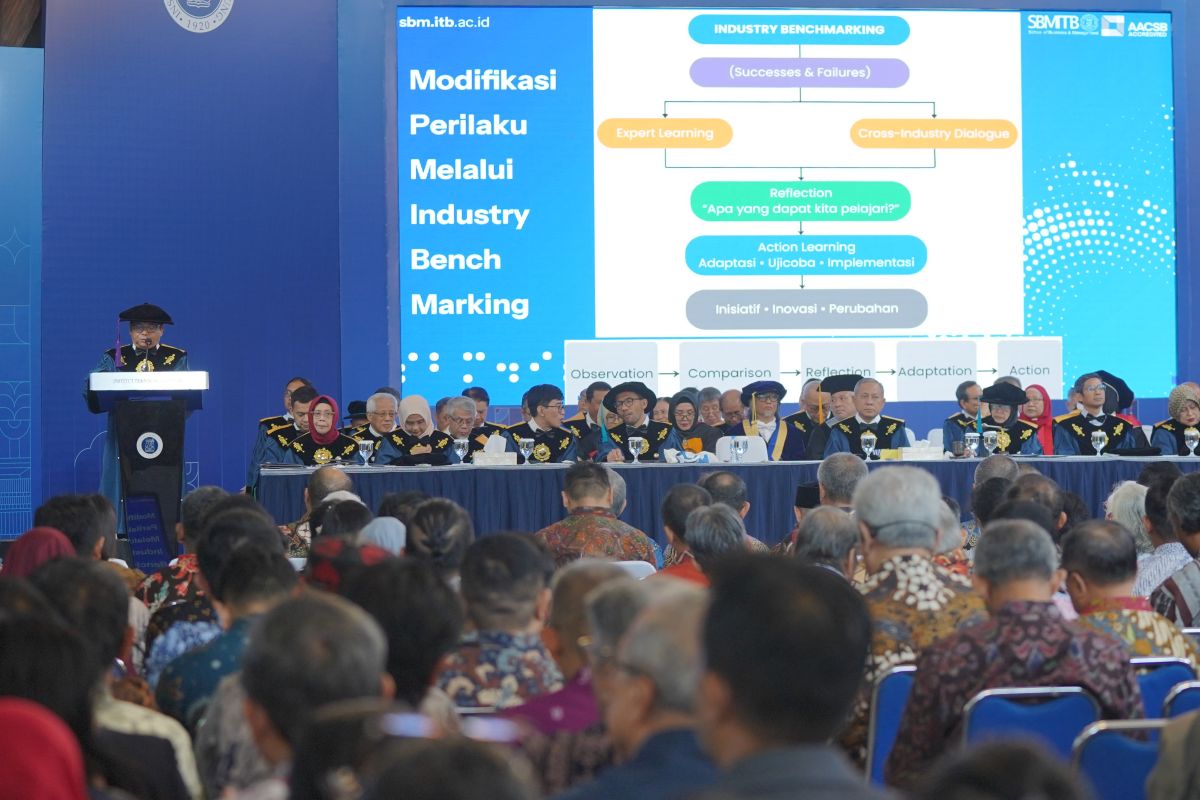
In his view, this shift requires a more accurate assessment process as the basis for leadership development. This approach does not merely look at what a person has done in the past, but also at how their potential and behaviour can be developed to meet the organisation’s future needs.
In this context, Prof. Henndy introduced the concept of Comprehensive Leadership Behaviour Modification, developed through the integration of behavioural psychology, leadership theories, and organisational needs. This concept positions behaviour modification as the scientific foundation for the leadership development process.
According to Prof. Henndy, holistic leadership is not merely about a leader’s ability to manage an organisation. Before leading others and an organisation, a leader must be prepared to lead themselves. This forms a crucial foundation for building a more comprehensive dimension of leadership.
“A leader can lead an organisation, but they can only inspire others once they are able to lead themselves,” said Prof. Henndy.
The concept of comprehensive leadership developed by Prof. Henndy outlines five main dimensions: intrapersonal, interpersonal, business and management, leading the organisation, and global perspective. These five dimensions illustrate leadership requirements ranging from the ability to understand and manage oneself, build relationships with others, make decisions and manage performance, lead an organisation, to possessing a global perspective.
The intrapersonal dimension emphasises self-awareness, integrity, meaning and purpose. Furthermore, the interpersonal dimension encompasses empathy, communication, collaboration and the ability to build relationships. In the business and management dimension, leaders are required to possess skills in strategy, innovation, decision-making and performance management. Meanwhile, the ‘leading the organisation’ dimension covers the ability to build culture, manage change and empower the organisation.
The fifth dimension, the global perspective is a vital component in preparing leaders to navigate an increasingly interconnected and diverse environment. Leaders must possess a global mindset and understand diversity, sustainability and social responsibility.
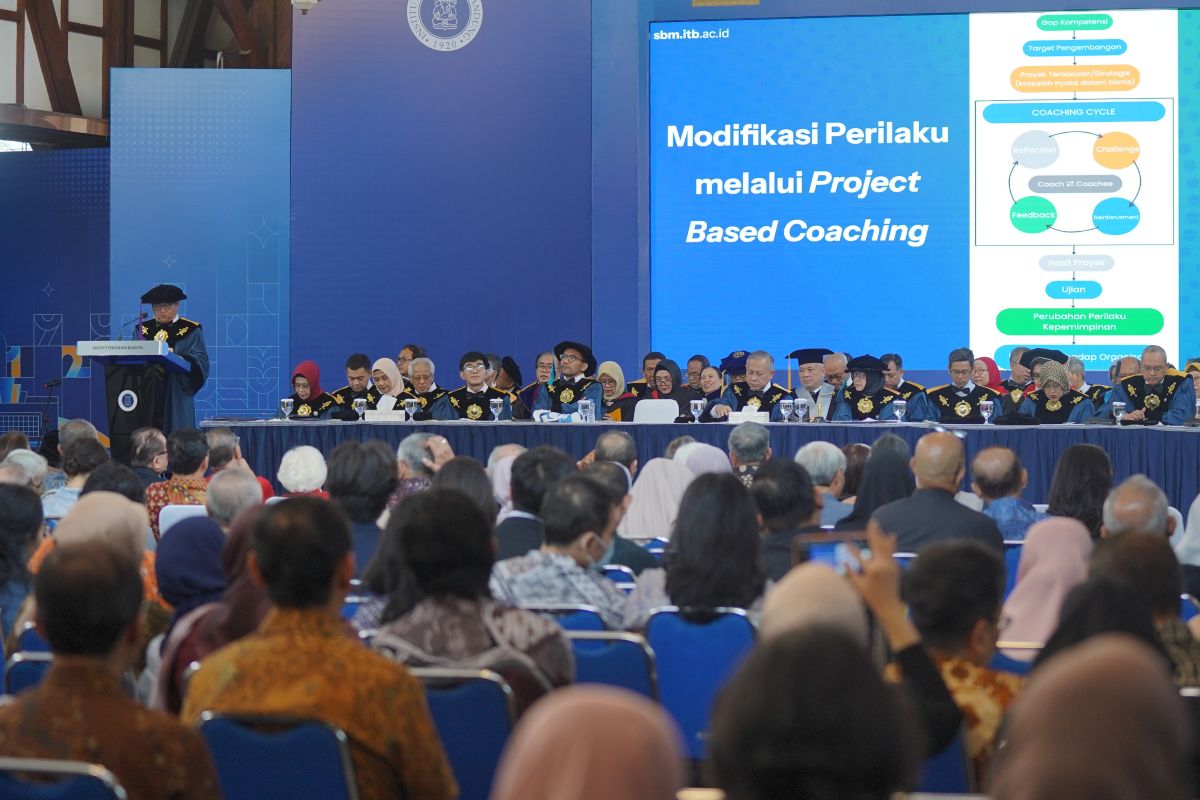
Prof. Henndy also explained that the development of these five dimensions must be aligned with appropriate learning mechanisms. As each dimension has distinct characteristics, their development cannot be achieved through a single, uniform learning method.
This approach is then put into practice through the Leadership Development Journey, which encompasses community-based, case-based, competency-based, global learning, benchmarking and project-based coaching. This programme is designed to provide a progressive learning experience, ranging from building awareness and motivation, strengthening managerial skills through case studies, developing competencies through real-world experience, broadening cross-cultural perspectives, fostering new perspectives, to cultivating leadership behaviours through projects.
Another foundation of this concept is the theory of behaviour modification, developed through the work of Pavlov, Skinner and Bandura. Pavlov, through classical conditioning, explains the learning process via stimulus association; Skinner, through operant conditioning, explains the formation of behaviour through consequences; whilst Bandura, through social learning theory, emphasises the influence of observation, cognition and self-regulation on behaviour.
This synthesis is then directed towards the development of ‘future-ready leaders’—that is, leaders who are adaptive, possess integrity, are globally competitive and make a significant impact. In its implementation, competence-based learning is carried out through a cycle encompassing behavioural practice, observation, feedback, reflection and adaptation, as well as the repetition of practice.
Furthermore, Prof. Henndy emphasised the importance of building a global perspective through exposure learning. This process can be achieved through familiarisation with global issues, case-based learning, benchmarking, interaction with experts, and dialogue. These experiences then foster discussion, critical thinking and reflection, and the expansion of one’s framework of thought, ultimately leading to strategic interpretations and behavioural changes as adaptive responses.
“It is important for leaders to develop a global perspective through exposure learning,” was one of the key points highlighted by Prof. Henndy in his discussion of leadership development.
Towards the end of his address, Prof. Henndy emphasised that the concept of holistic leadership is a synthesis of various leadership theories and organisational needs, with behavioural modification serving as the psychological foundation for its development. This approach is expected to yield a more systematic leadership development process that is relevant to the needs of future organisations.
Conceptually, Holistic Leadership serves as a synthesis of various leadership theories and organisational needs. From a psychological perspective, behavioural modification forms the scientific basis for leadership development. From a pedagogical perspective, the Leadership Development Journey is structured by aligning the characteristics of leadership dimensions with dominant learning mechanisms. Methodologically, this approach emphasises the alignment between competencies, learning mechanisms and evaluation methods.
Moving forward, the development of this concept is directed towards testing the model through longitudinal, multi-source research across organisational contexts and leadership levels, as well as through learning design. Thus, the concept of Comprehensive Leadership Behaviour Modification serves not only as a conceptual framework but also provides scope for continued testing and development through research and organisational practice.