Young ITB Lecturer Develops Microalgae for Carbon Capture and Climate Change Mitigation
By M. Naufal Hafizh, S.S.
Editor M. Naufal Hafizh, S.S.
.jpg)
BANDUNG, itb.ac.id — Lecturer and researcher from the Biochemistry and Biomolecular Engineering Research Group, Faculty of Mathematics and Natural Sciences (FMIPA), Institut Teknologi Bandung (ITB), Alfredo Kono, S.Si., M.Si., Ph.D., believes that microalgae can serve as a nature-based solution for climate change mitigation.
Alfredo emphasized that microalgae have a natural ability to capture carbon dioxide (CO₂) through photosynthesis and convert it into biomass, making them a potential rapid solution amid the urgency of the global climate crisis.
Indonesia as a Natural Laboratory: From the Sea to Volcanic Craters
He explained that Indonesia holds a strategic advantage due to its geographical characteristics as a maritime nation located along the Ring of Fire. These conditions provide unique habitats for microalgae with extreme adaptation mechanisms rarely found in other countries.
The exploration of microalgae has been conducted at various locations, ranging from tropical seas to volcanic areas in West Java, such as Kamojang Crater, Talaga Bodas in Garut, and Domas Crater at Tangkuban Parahu. From these sites, the research team successfully isolated and identified an extremophilic red microalga, Galdieria sulphuraria, which is capable of surviving in highly acidic and extreme conditions.
Extremophilic Microalgae and Carbon Capture Efficiency
.jpg)
Alfredo explained that one of the main advantages of microalgae lies in their rapid growth rate and efficient land use. Microalgae can achieve optimal photosynthesis within one to two days, compared to trees that require years to grow and develop sufficient foliage.
He also noted that microalgae can be cultivated in closed systems such as tanks, enabling implementation in various locations, including urban and industrial areas, without the need for extensive land.
“One of the reasons microalgae are so powerful is their small size, yet their carbon capture capacity can far exceed that of terrestrial plants,” he said on Friday (30/1/2026).
From CO₂ Capture to a Biotechnology-Based Circular Economy
.jpg)
Beyond carbon sequestration, Alfredo highlighted the importance of a circular economy approach, in which captured CO₂ is converted into high-value biomass. Microalgae-derived products include lipids for biofuel, pigments for the cosmetic industry, and unique carbohydrates with potential applications in pharmaceuticals and healthcare.
As part of research downstreaming efforts, the ITB team is also developing the concept of a phototank, or “liquid tree,” which utilizes microalgae as an indoor air purification system. Designed with an aesthetic resembling furniture, the system also enhances interior spaces.
Scientific Data as a Foundation for National Climate Policy
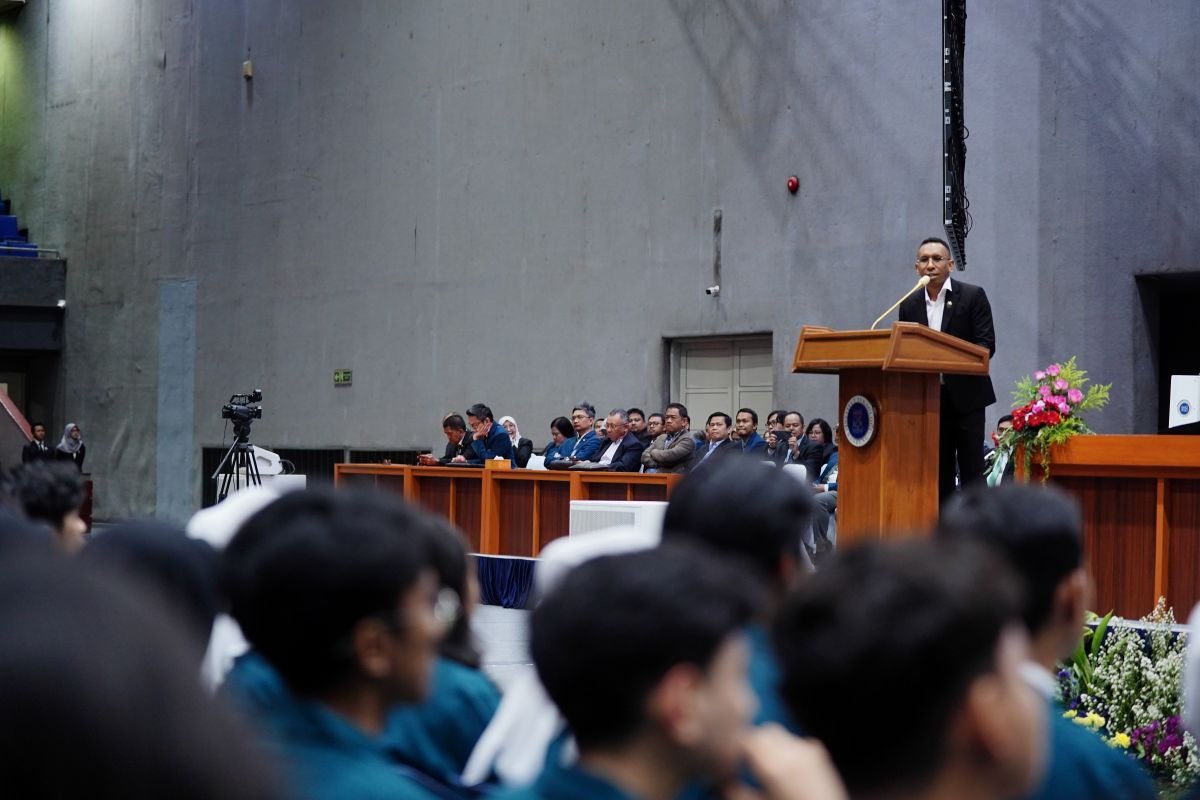
Alfredo stressed the importance of quantitative data to ensure that the carbon absorption capacity of microalgae can serve as a science-based policy reference. “We are currently calculating how much CO₂ these microalgae can capture using available equipment. One day, we hope this can become a standard,” he explained.
The data, developed in collaboration with Universitas Gadjah Mada (UGM), are expected to support the government in formulating climate policies, including carbon tax schemes.
Alfredo is optimistic that Indonesia can mitigate climate change through homegrown technologies. The country’s rich local biodiversity is believed to already offer relevant solutions. Therefore, in developing microalgae as a climate solution, collaboration among basic science, engineering, industry, and policymaking is essential to transform research into innovations with broad societal impact.
.jpg)
.jpg)
.jpg)
.jpg)
.jpg)