Hydrogen Day 2026 at ITB: Prof. Stella Christie Natural Hydrogen Potential as a Future Energy Source
By M. Naufal Hafizh, S.S.
Editor M. Naufal Hafizh, S.S.
BANDUNG, itb.ac.id — Institut Teknologi Bandung (ITB), in collaboration with Indonesia Fuel Cell and Hydrogen Energy (IFHE), held Hydrogen Day 2026 at the East Hall, ITB Ganesha Campus, on Sunday (October 11, 2026). The event brought together government representatives, universities, research institutions, and industry stakeholders to accelerate the development of hydrogen technology as a clean energy solution in Indonesia.
Under the theme “Driving the Future with Hydrogen,” the event featured Indonesia’s Deputy Minister of Higher Education, Science, and Technology, Prof. Stella Christie, Ph.D., who highlighted the potential of natural hydrogen as a future energy source. She emphasized that Indonesia has an opportunity to become a major player in hydrogen technology development on the global stage.
Hydrogen Day 2026 was also attended by the Director General of New, Renewable Energy and Energy Conservation at the Ministry of Energy and Mineral Resources (ESDM), Prof. Dr.Eng. Eniya Listiani Dewi, B.Eng., M.Eng., IPU.; ITB Acting Vice Rector for Academic and Student Affairs, Prof. Edwan Kardena, Ph.D.; and Head of the Research Organization for Energy and Manufacturing at the National Research and Innovation Agency (BRIN), Cuk Supriyadi Ali Nandar. Representatives from PLN, Pertamina, the Geological Agency, universities, research institutions, industry, and the student community were also present.
The event featured a series of activities, including the Hydrogen Forum, hydrogen technology exhibitions, hydrogen-powered vehicle demonstrations, and interactive activities designed to introduce clean energy innovations to the public.
Prof. Stella Christie: Indonesia Has the Potential to Become a Global Leader in Natural Hydrogen
.jpg)
Prof. Stella Christie emphasized that natural hydrogen represents a promising energy resource that deserves greater attention in Indonesia’s national research and technology development agenda.
Unlike hydrogen produced through industrial processes, natural hydrogen occurs in geological formations beneath the Earth's surface. It has the potential to be developed at competitive costs with low carbon emissions, depending on resource characteristics and the technologies used for extraction and utilization.
“Natural hydrogen is a relatively new and highly promising resource. Why? Traditionally, clean energy tends to be expensive, while cheaper energy sources are often more polluting. Natural hydrogen is remarkable because it offers the potential to be both clean and affordable,” she said.
Prof. Stella explained that Indonesia possesses promising natural hydrogen resources, including those identified in the Tanjung Api area of Central Sulawesi. Research into indications of natural hydrogen in the region has involved Pertamina Hulu Energi (PHE), the Geological Agency, and researchers from ITB, Universitas Indonesia, and BRIN.
According to her, preliminary studies indicate significant natural hydrogen potential in Central Sulawesi. However, further research and exploration are needed to determine the characteristics, resource estimates, and feasibility of utilizing these reserves.
She noted that natural hydrogen technology is still at an early stage of development worldwide, creating an opportunity for Indonesia to take a more prominent role in research and innovation.
“We have an opportunity to enter the world's major league. This is a rare situation for Indonesia. Natural hydrogen development is still in its infancy worldwide, and countries are only beginning to explore its potential. We are not yet behind,” she said.
Prof. Stella also highlighted the growing global demand for energy, particularly to support the expansion of data centers and technology-driven industries. This trend underscores the urgency of developing clean, affordable, and sustainable energy sources.
Strengthening Research, Regulation, and Financing Is Key to Hydrogen Development
To unlock the potential of natural hydrogen, Prof. Stella emphasized three interconnected priorities: research, regulation, and financing.
In research, universities and research institutions play a crucial role in identifying resources, developing exploration technologies, and assessing the potential applications of natural hydrogen.
Meanwhile, regulatory frameworks are essential to provide certainty for resource exploration, development, and management. Since natural hydrogen exploration involves subsurface geological activities, its development requires coordination with the energy and mineral resources sector, including the oil and gas industry.
Financial support is equally important to advance research findings toward technological development and industrial applications.
Prof. Stella cited examples of leading hydrogen technology companies worldwide that originated from academic research. These examples demonstrate how university-based research can generate innovations with substantial economic value.
She also stressed the importance of providing researchers with the necessary support to ensure that scientific discoveries move beyond academic institutions and lead to practical applications that benefit society.
By strengthening these three areas, Indonesia is expected to transform its natural resource potential into technological advantages while reinforcing national energy independence.
ITB Promotes Research Collaboration and Hydrogen Technology Implementation
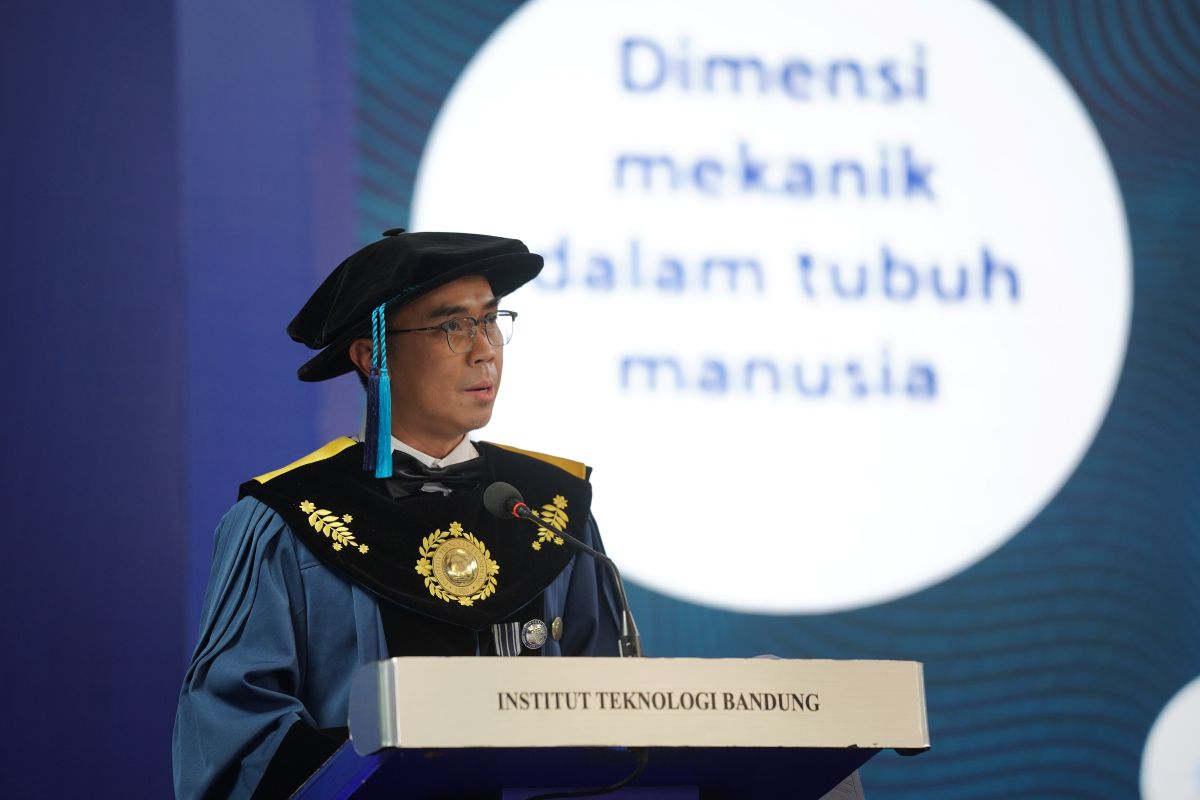
ITB Acting Vice Rector for Academic and Student Affairs, Prof. Edwan Kardena, Ph.D., emphasized that hydrogen technology development requires strong collaboration among the government, research institutions, universities, and industry.
According to him, advances in clean energy technology cannot be achieved by a single institution. Each stakeholder plays a complementary role in building an innovation ecosystem capable of addressing future energy challenges.
“The key to hydrogen technology development is collaboration. The Ministry of Energy and Mineral Resources serves as the regulator, BRIN and ITB contribute research and innovation, while industry acts as the driving force in bringing technology to the market,” he said.
Through such collaboration, the government provides policy and regulatory support, research institutions and universities contribute scientific knowledge and technological innovation, and industry facilitates broader technological implementation.
Prof. Edwan also highlighted the importance of accelerating technological advancement amid increasing global competition. Indonesia must strengthen its capabilities in hydrogen technology to become not only a user but also an independent developer of innovative energy solutions.
One potential application he highlighted was the use of hydrogen-powered vehicles on university campuses and in industrial environments. Such initiatives could serve as pilot projects for developing more environmentally friendly transportation systems.
.jpg)
.jpeg)
.jpg)
.jpg)
.jpg)