ITB CDT 2026 Phase 1: Preparing New Students to Navigate the Dynamics of College Life
By Anggun Nindita -
Editor Anggun Nindita
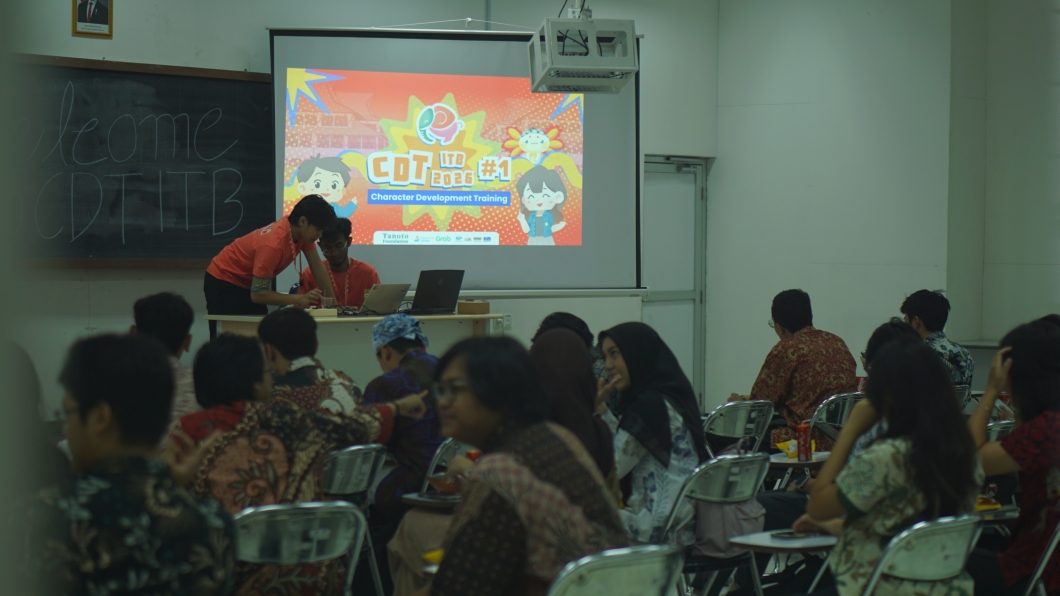
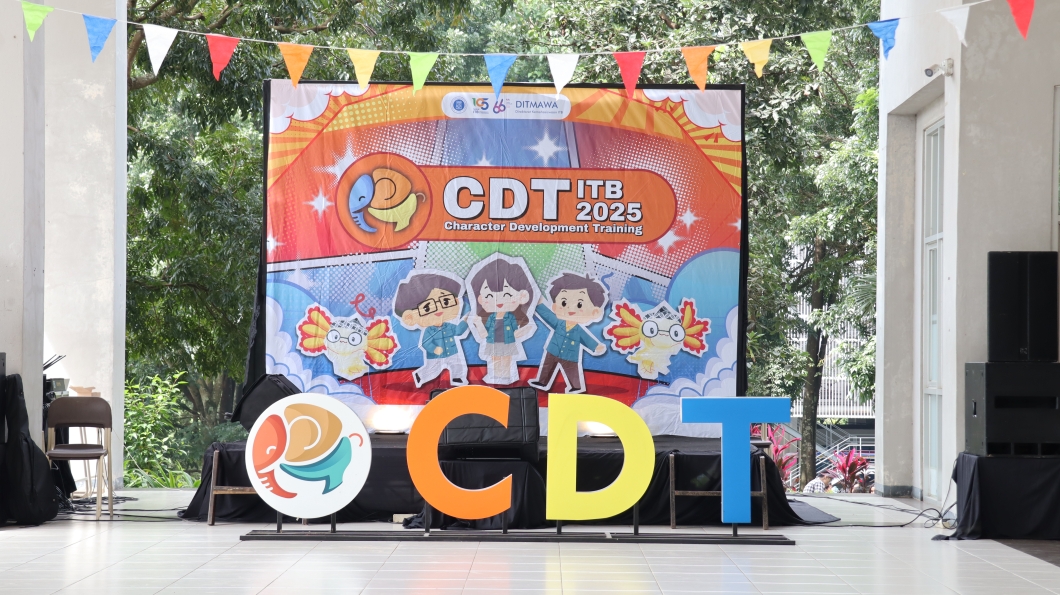
JATINANGOR, itb.ac.id - Institut Teknologi Bandung (ITB), through the Directorate of Student Affairs (Ditmawa), held Phase 1 of the ITB 2026 Character Development Training (CDT) as part of the 2026 ITB New Student Orientation (PMB) program on Saturday, August 15, 2026, at the ITB Jatinangor Campus.
With the theme “Illuminating Every Step with Adaptability, Integrity, and Humility,” this event served as a space for character building and preparation for new students as they embark on their academic journey at ITB.
The ITB CDT was organized by the ITB Student Activities Support Team (TPKK), which instilled the AIR character values. In the first phase, new students were guided to understand and apply the value of Adaptability as preparation for navigating changes in their roles, environment, and the dynamics of student life.
Understanding Adaptability Amid Technological Change
This program was designed with an interactive and contextual learning approach so that students not only grasp character values conceptually but also gain hands-on experience through various activities that simulate the challenges of college life.
The Head of ITB’s Student Character Development Subdirectorate, Pipit Fitriani, S.Si., Ph.D., explained that the character values developed through the CDT remain relevant amid changing times, including advancements in artificial intelligence (AI), social media, and technology.
According to her, technological advancements actually require that the concept of adaptability be interpreted more broadly. Students are not only expected to keep up with technological developments but also to use them responsibly.
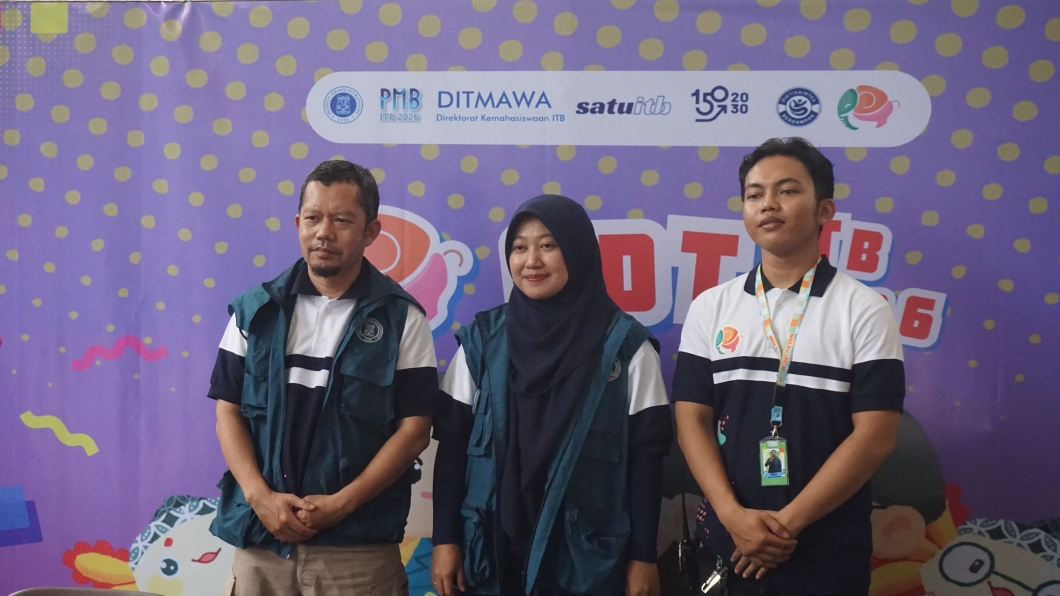
Head of the Subdirectorate for Student Character Development at ITB, Pipit Fitriani, S.Si., Ph.D. (center)
“This means that adaptation involves being able to use and leverage technology, but it must still be grounded in integrity so that its use remains for good purposes and can be accounted for,” said Pipit.
This aligns with the objectives of ITB’s CDT, which positions adaptability as one of the essential tools for incoming freshmen as they enter the university environment.
Equipping Students with Adaptive Skills
One of the main topics in Phase 1 of the CDT is College Adjustment. Through this module, new students are guided to recognize the differences between life in high school and college, as well as to understand the importance of adapting to their environment and the demands of life as an ITB student.
Participants are also introduced to the concept of SMART Goals as an approach to setting more focused objectives. Through the concepts of Specific, Measurable, Achievable, Relevant, and Time-bound, students learn to set realistic and measurable targets to support their adaptation process throughout their academic studies.
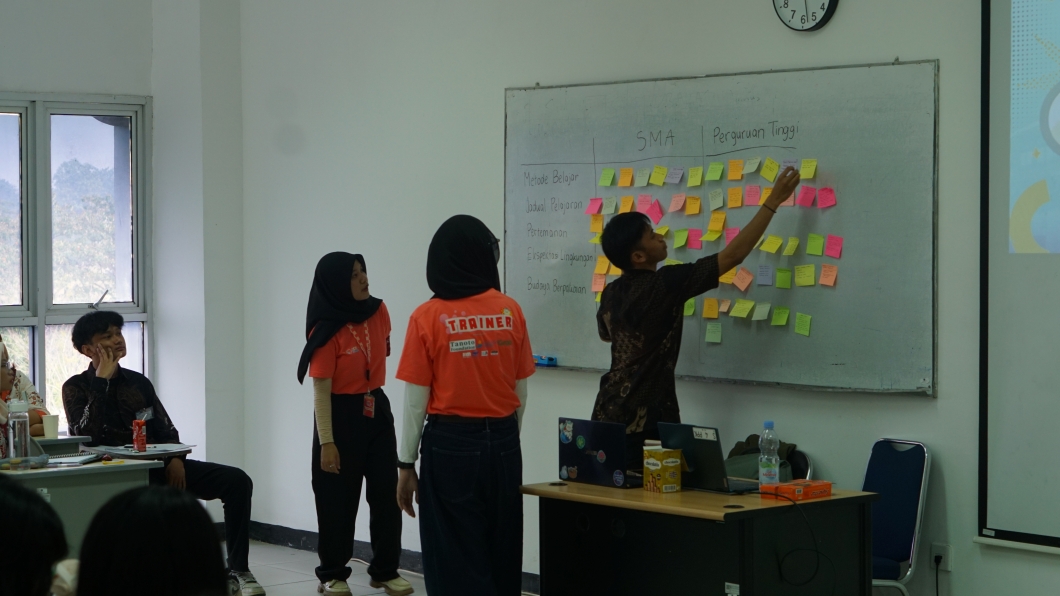
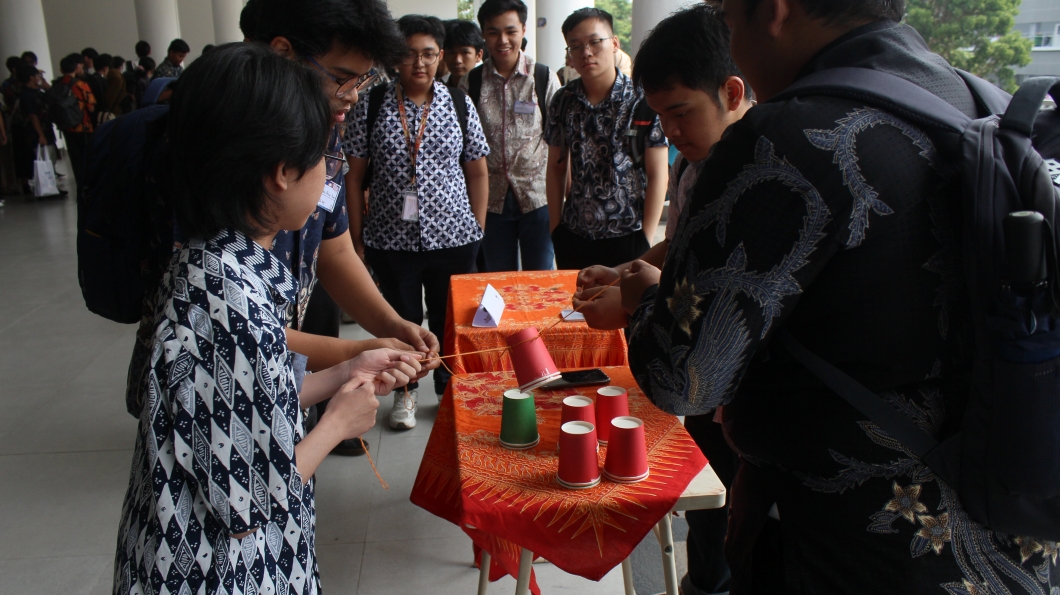
Adaptive skills are further strengthened through the “Into the Wild” activity. In this scenario-based activity, students face various challenges that foster their ability to make decisions, collaborate, communicate, and adapt to the conditions they encounter.
The learning process is also complemented by sessions on self-reflection and emotional management. Students are guided to recognize their own state and understand their emotional responses when facing changes and challenges. The ability to self-reflect is a crucial foundation for building better adaptability.
CDT Carnival Offers an Interactive Experience
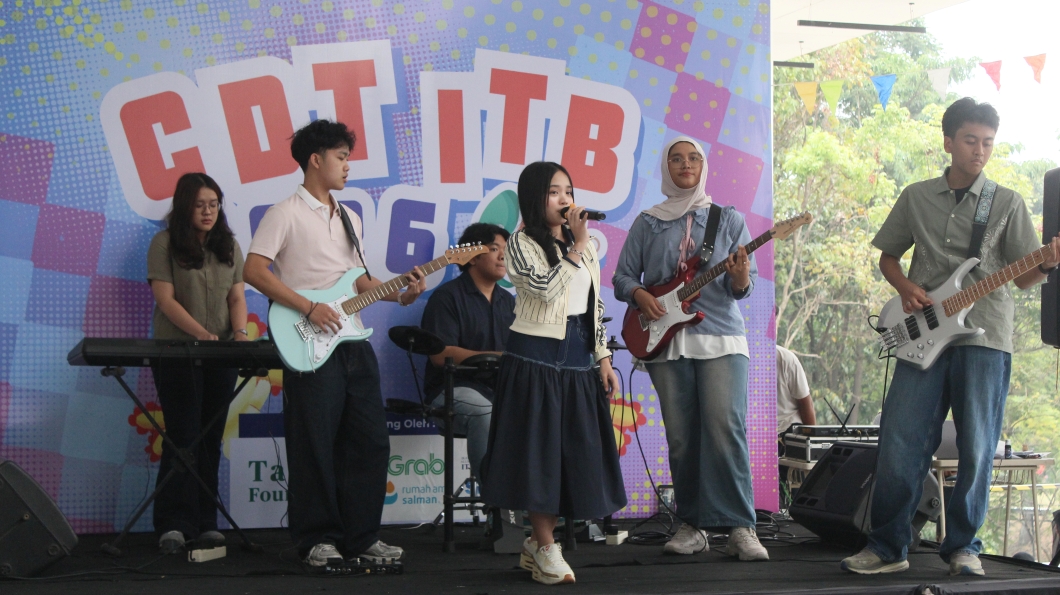
In addition to the main learning sessions, the 2026 ITB CDT also features the CDT Carnival Phase 1 as part of its series of activities. This event provides a space for students to apply character values through a more relaxed, interactive, and enjoyable experience.
The CDT Carnival also serves as a platform for new students to build connections with fellow participants while putting into practice the character values they have acquired during the CDT process.
In fostering student character development, ITB does not solely rely on the number of participants as a measure of the program’s success. According to Pipit, ITB is also developing character assessment tools in collaboration with psychologists to track students’ character development in a more measurable way.
“When we organize a large event like this, one measure of success might be how many students are involved. But in terms of character values, whether a student has truly become adaptable or not, we don’t yet know,” said Pipit.
This approach is part of ITB’s efforts to ensure that character development does not end with the implementation of activities but is followed by a process of monitoring and measuring student progress.
Supported by Trainer Preparation
To ensure the learning process runs optimally, the ITB CDT 2026 will begin with a series of Training for Trainers (TFT) sessions on August 1–2, 2026. The trainers will receive training on adaptive learning materials, experiential learning methods, and simulations of CDT material delivery and activities.
Through these simulations, trainers had the opportunity to practice the learning process while receiving evaluations and feedback from the Content and Methods Team as well as ITB’s Guidance and Counseling (BK) psychologists.
During Phase 1 of the CDT, the program involved 35 core committee members, 45 field committee members, and 262 trainers. Based on the committee’s attendance records, a total of 5,514 new ITB students participated in the program.
Continuing into Phase 2
Character development for new students through the 2026 ITB CDT does not end with the first phase. Following Phase 1 of the CDT, the process of instilling the AIR values will continue through monitoring activities and an assessment test. The first monitoring session is scheduled for September–October 2026, followed by a second monitoring session in November 2026. Meanwhile, the assessment test is scheduled for December 2026.
CDT Phase 2 will be implemented during the even semester of the 2026–2027 academic year, focusing on the values of Integrity and Humility, while also reinforcing the adaptability skills that students developed in the previous phase.
Through a series of ongoing development activities, the 2026 ITB CDT is expected not only to be part of the orientation process for new students but also to serve as the first step in shaping the character of ITB students who are capable of adapting to change, making responsible decisions, and continuing to grow alongside the academic and student community.