ITB Expert Explains Why Rainfall Increases Toward the End of the Year
By Anggun Nindita
Editor Anggun Nindita
Doc. Unsplash
BANDUNG, itb.ac.id – As the end of the year approaches, several regions across Indonesia are experiencing an increase in rainfall. An expert from Institut Teknologi Bandung (ITB), Dr. Muhammad Rais Abdillah, S.Si., M.Sc., encourages the public to understand weather characteristics and make use of weather forecasts to anticipate potential hydrometeorological disasters, such as flooding.
The lecturer from the Atmospheric Science Research Group, Faculty of Earth Sciences and Technology (FITB), ITB, explained that the increase in rainfall toward the end of the year is part of an annual climate cycle influenced by the apparent southward movement of the sun toward the Southern Hemisphere.
“This condition influences wind circulation, bringing large amounts of water vapor and increasing the likelihood of rainfall,” he said on Monday (23 November 2026).
Generally, the rainy season peaks between January and February in most parts of Indonesia. However, each region has distinct climate characteristics.
“Several areas in northern Sumatra and Kalimantan near the equator, for instance, may experience two rainfall peaks within a year,” he explained.
These regional differences highlight the importance of understanding local seasonal patterns while recognizing changes in day-to-day weather conditions.
Recognizing the Signs of Extreme Weather
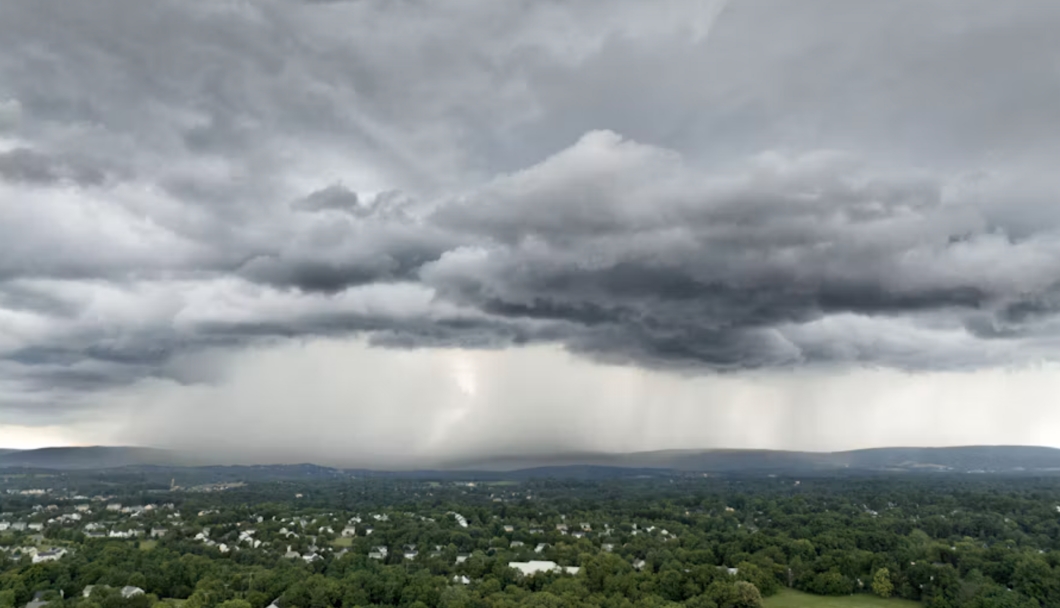
According to Dr. Rais, one of the simplest ways to recognize the potential for heavy rainfall is by observing the sky. The presence of cumulonimbus clouds—thick, towering clouds resembling giant mushrooms—can be an indication of potential heavy rainfall.
In addition to direct observation, the public can utilize technology to access more comprehensive weather information.
“Weather radar and forecasts available through the official application and website of the Meteorology, Climatology, and Geophysics Agency (BMKG) can serve as useful references for planning daily activities,” he said.
This information is particularly important because rainfall patterns are influenced not only by annual seasonal cycles but also by various climate phenomena, including El Niño.
El Niño Does Not Always Reduce the Risk of Heavy Rainfall

Lecturer from the Atmospheric Science Research Group, Faculty of Earth Sciences and Technology (FITB), Dr. Muhammad Rais Abdillah, S.Si., M.Sc.
Although commonly associated with drought, El Niño does not necessarily lead to reduced rainfall across all regions of Indonesia. Dr. Rais explained that its influence on the rainy season is relatively complex and varies from one region to another.
During El Niño, eastern Indonesia tends to experience reduced rainfall. In contrast, several regions in western Indonesia may experience increased rainfall between December and February.
“Does El Niño necessarily mean drier conditions and lower risks? Not necessarily. The risks may persist or even increase,” he explained.
The varying impacts of this climate phenomenon underscore the importance of disaster preparedness tailored to the characteristics and vulnerabilities of each region.
Building Community Preparedness
As an initial step, Dr. Rais emphasized the importance of understanding local environmental conditions, including the history of disasters in the area. This is particularly important for communities living in flood-prone areas, where even brief periods of rainfall can trigger flooding.
“Start by identifying the disaster risks in your own area,” he said.
Disaster preparedness also requires collective efforts. Government authorities and relevant stakeholders can utilize weather and climate forecasts to map potential disaster risks, establish response priorities, and allocate resources more effectively.
“By understanding weather characteristics, recognizing local environmental risks, and utilizing available meteorological information, communities are expected to be better prepared for the rainy season and minimize the impacts of extreme weather,” he concluded.