ITB Implements Digital Technology for Turtle Conservation in Sabu Raijua, 116 Eggs Successfully Rescued
By M. Naufal Hafizh, S.S.
Editor M. Naufal Hafizh, S.S.
SABU RAIJUA, itb.ac.id – Institut Teknologi Bandung (ITB) is implementing digital technology to strengthen community-based turtle conservation in Sabu Raijua Regency, East Nusa Tenggara (NTT). Through the 2026 Bottom Up Community Service Program (PPM), ITB is training coastal communities and Community Monitoring Groups (Pokmaswas) to use participatory applications to record nest locations, turtle species, and potential threats to eggs and landed turtles.
The program, titled "Digital-Based Turtle Monitoring and Conservation through Participatory Application Training for Coastal Communities in Sabu-Raijua," was developed to address the limitations of direct monitoring in coastal areas and outermost islands. With a citizen science-based system, communities can be directly involved in providing the field data needed to support conservation actions more quickly and in an integrated manner.
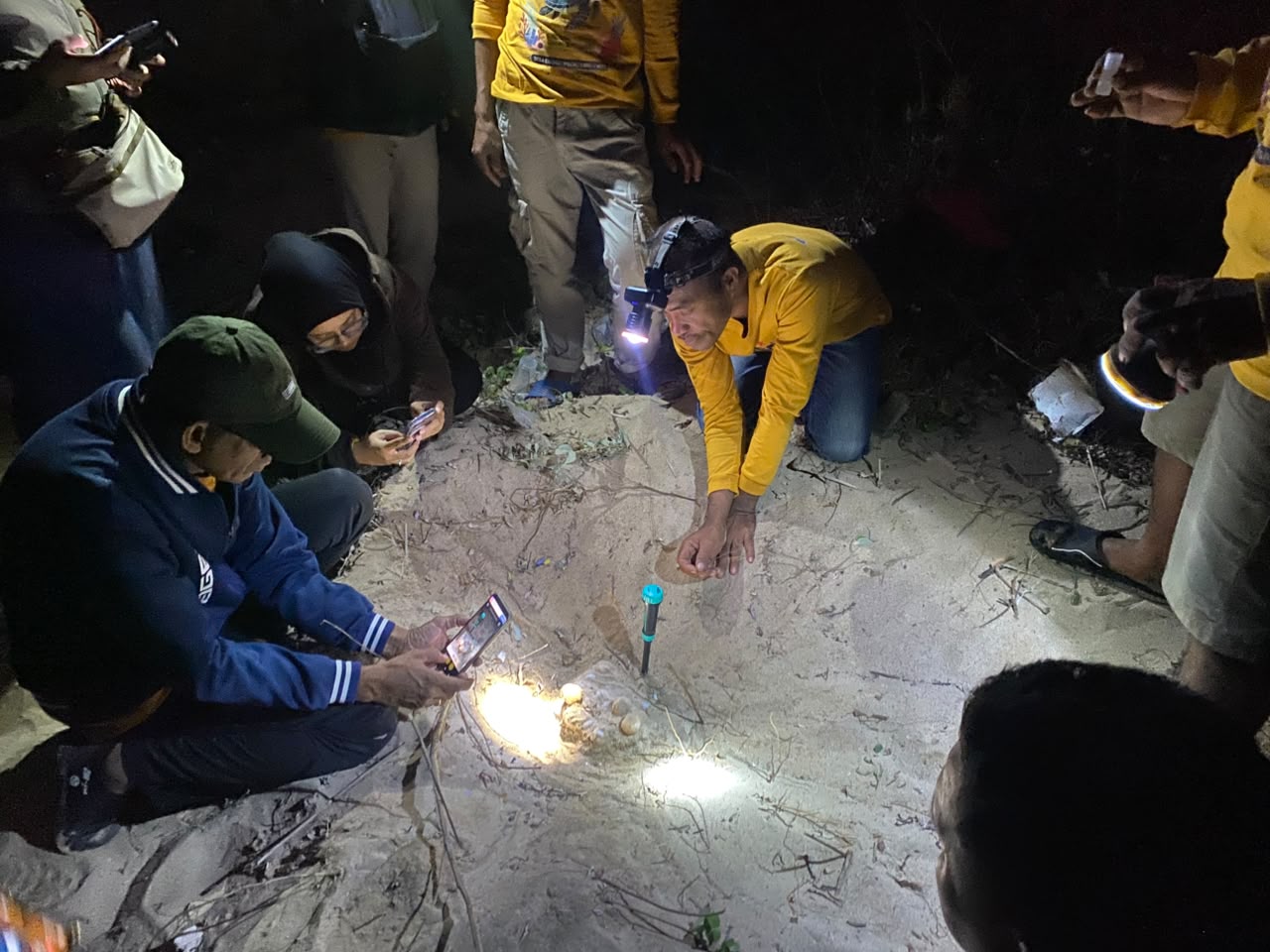
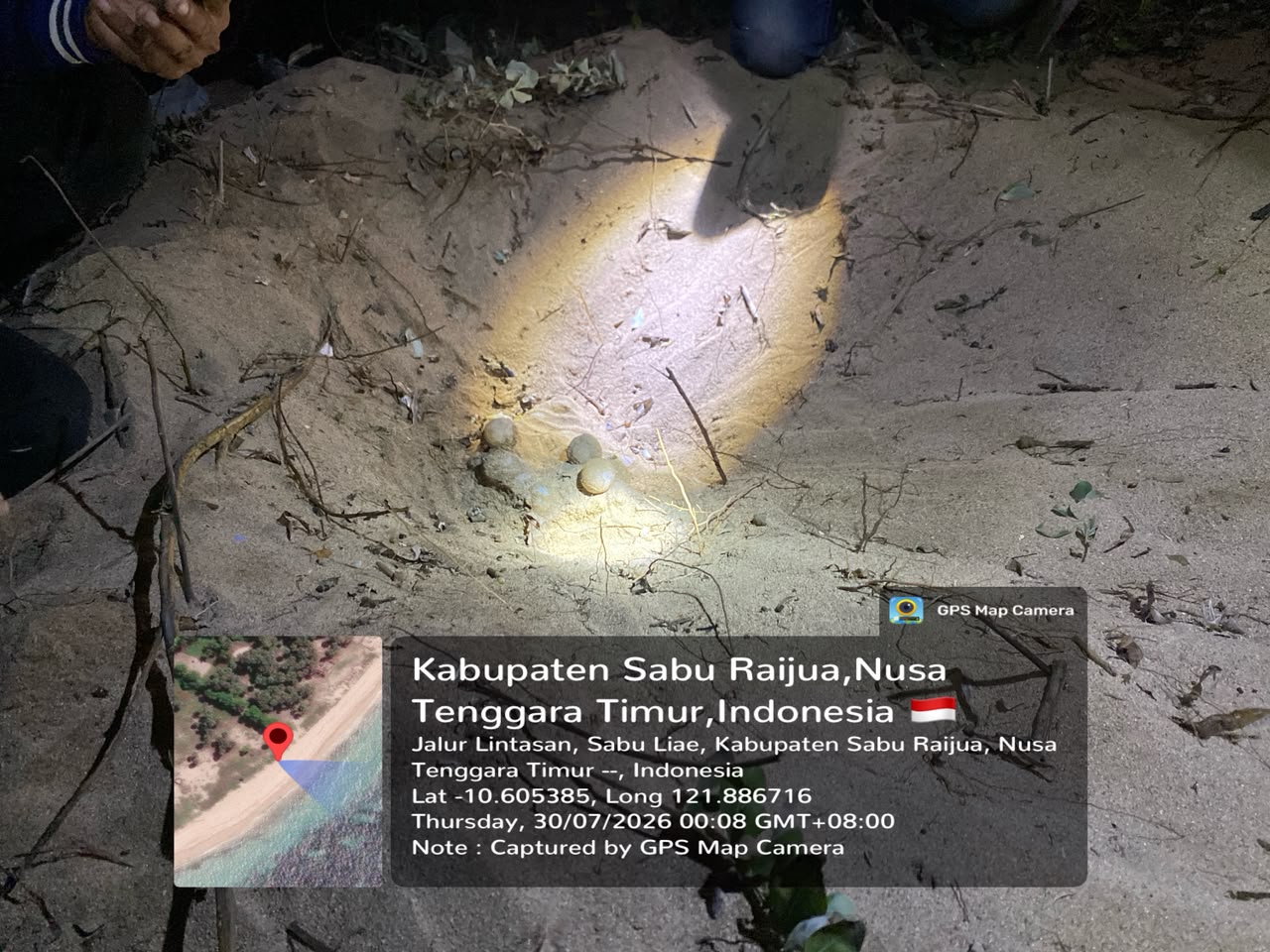
The impact of this approach was evident during field activities at Eilogo Village Beach on Thursday (July 30, 2026). A joint team from Bandung Institute of Technology (ITB), Nusa Cendana University (Undana), the National Research and Innovation Agency (BRIN), and the Community Development Group (Pokmaswas) successfully identified a turtle landing and rescued 116 turtle eggs for transfer to a safer, semi-natural incubation site.
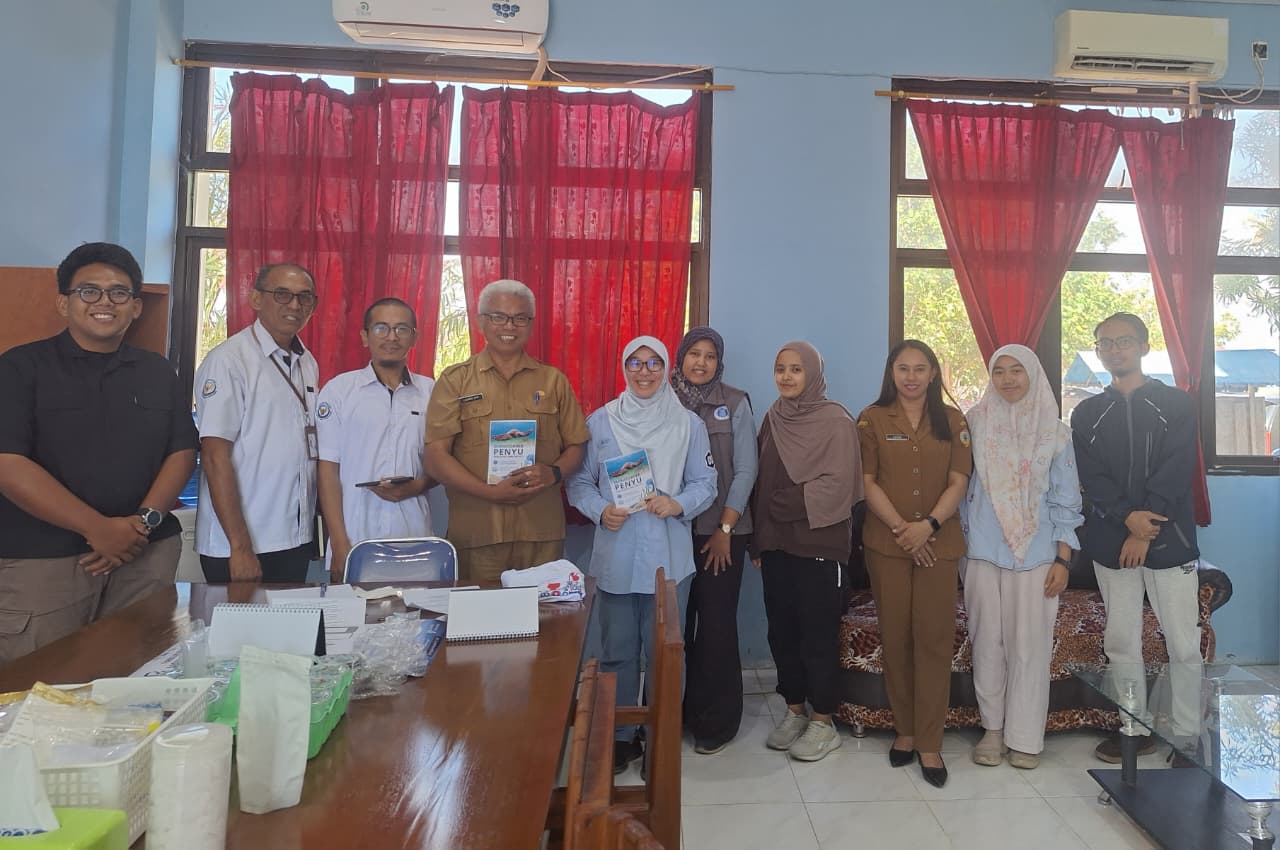
The program provides direct benefits to coastal communities and the Community Development Group (Pokmaswas) by improving their turtle monitoring and conservation capabilities. In the long term, this effort is also important for the wider community, as turtle survival is linked to the health of marine ecosystems, from seagrass beds and coral reefs to the balance of the aquatic food chain.
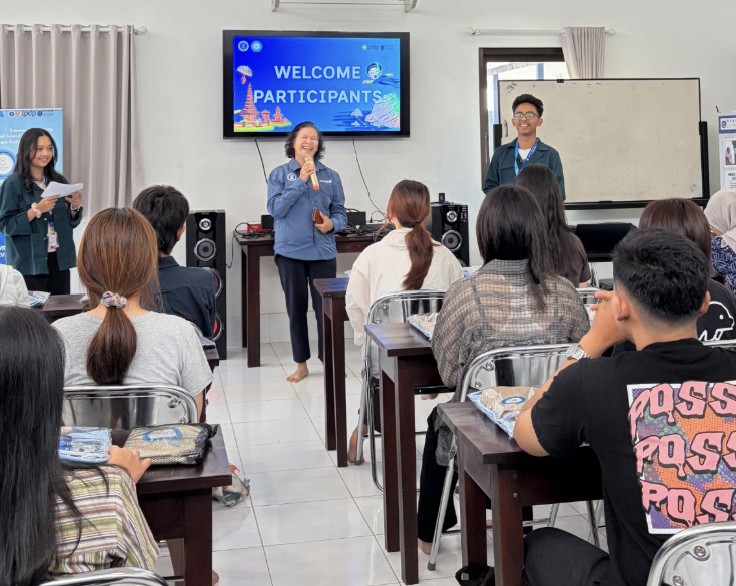
The program is led by Prof. Dr.rer.nat. Mutiara Rachmat Putri, S.Si., M.Si., is a lecturer from the Environmental and Applied Oceanography Research Group, Faculty of Earth Sciences and Technology (FITB) Bandung Institute of Technology (ITB), and is based in Eilogo Village, Sabu Liae District, Sabu Raijua Regency. The series of activities will run from the beginning of the year until November 2026, with a socialization and field workshop scheduled for July 27–31, 2026.
The program involves researchers from the National Agency for Research on Climate and Atmospheric Affairs (BRIN) Research Center, undergraduate, master's, and doctoral students from the Oceanography and Earth Sciences Study Programs at ITB, lecturers from the Aquatic Resources Management Study Program at the Faculty of Marine Affairs and Fisheries, Undana, and community groups (Pokmaswas) from the villages of Deme, Waduwalla, Dainao, and Bodae.
Understanding Turtles as "Marine Ecosystem Engineers"
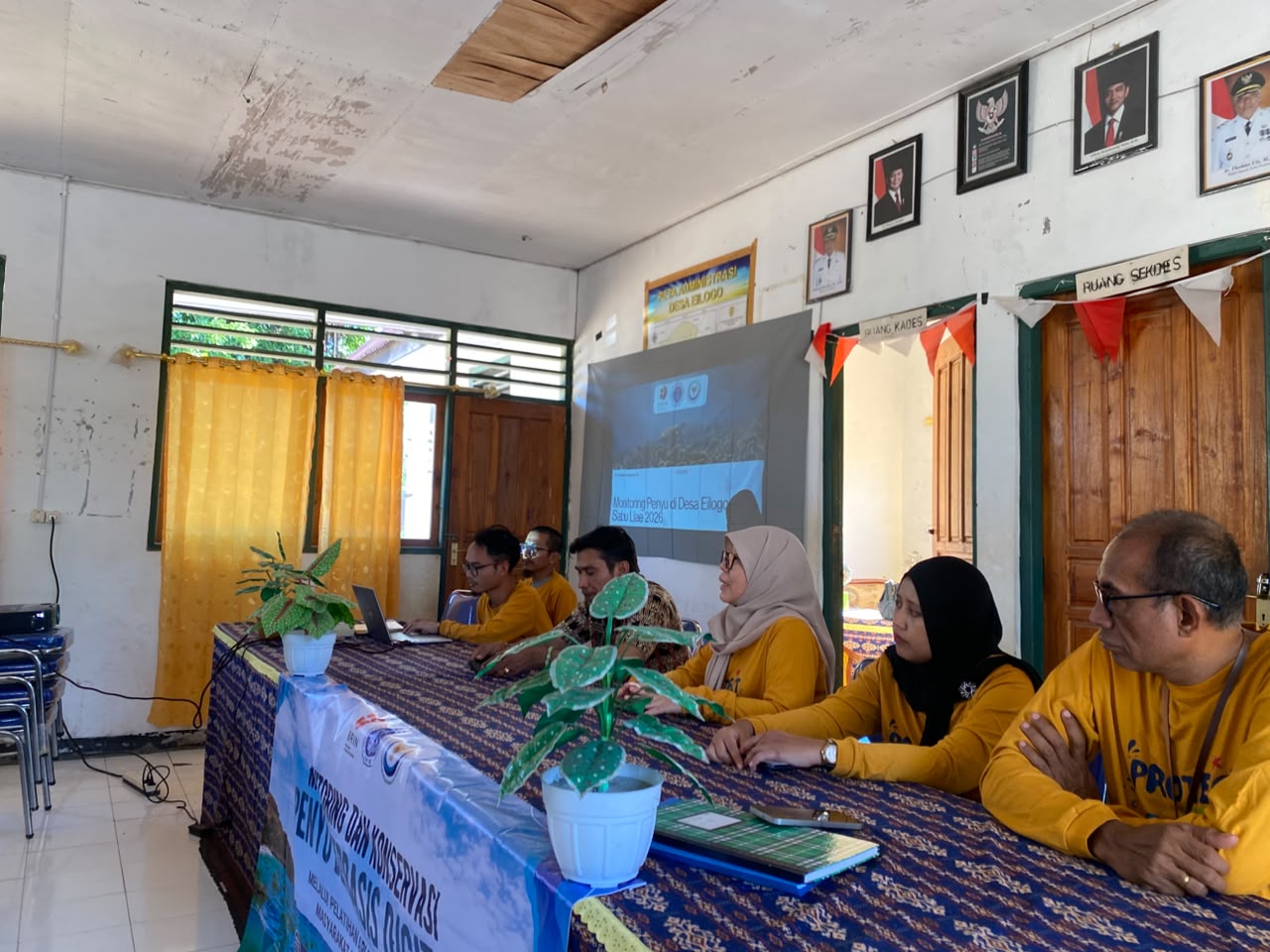
In marine literacy training and education, Prof. Mutiara explained that turtles play a crucial role in maintaining the balance of marine ecosystems. Their role doesn't end at sea. When turtles lay their eggs on land, the remaining eggshells from the hatching process provide organic nutrients for the beach environment and coastal vegetation.
In the waters of Sabu Raijua, specifically Eilogo Village Beach, four turtle species have been recorded coming ashore and laying eggs: the Green Turtle (Chelonia mydas), the Olive Ridley Turtle (Lepidochelys olivacea), the Hawksbill Turtle (Eretmochelys imbricata), and the Leatherback Turtle (Dermochelys coriacea).
Green turtles play a role in maintaining the health of seagrass meadows through their grazing activities. Seagrass meadows themselves are important ecosystems, playing a role in carbon storage and providing habitat for various marine life.
Meanwhile, Olive Ridley Turtles are omnivores that consume a variety of organisms, such as algae, crustaceans, and small fish, thus helping to maintain the balance of the food chain.
Hawksbill turtles help maintain the health of coral reefs by consuming sea sponges that cover the coral surface. By controlling the sponge population, corals can thrive and the reefs can function as habitats for various fish species.
Leatherback turtles play a role in controlling jellyfish populations in open waters, thus helping to maintain the dynamics of the marine food chain.
Digitalization of Conservation and Rescue Actions in the Field
One of the conservation challenges in island regions is the vast area to be monitored compared to the number of available personnel. This situation makes community involvement crucial in coastal area monitoring.
Through PPM ITB, local communities and members of the Community Monitoring Group (Pokmaswas) are being trained to use a participatory digital application. With this application, residents can record the coordinates of nest locations, the types of turtles that land, and indications of threats such as the presence of predators and potential egg theft.
The data collected by the community is expected to help structure the monitoring process and enable information on conditions in the field to be disseminated more quickly to relevant parties.
Promoting Independent Community-Based Conservation
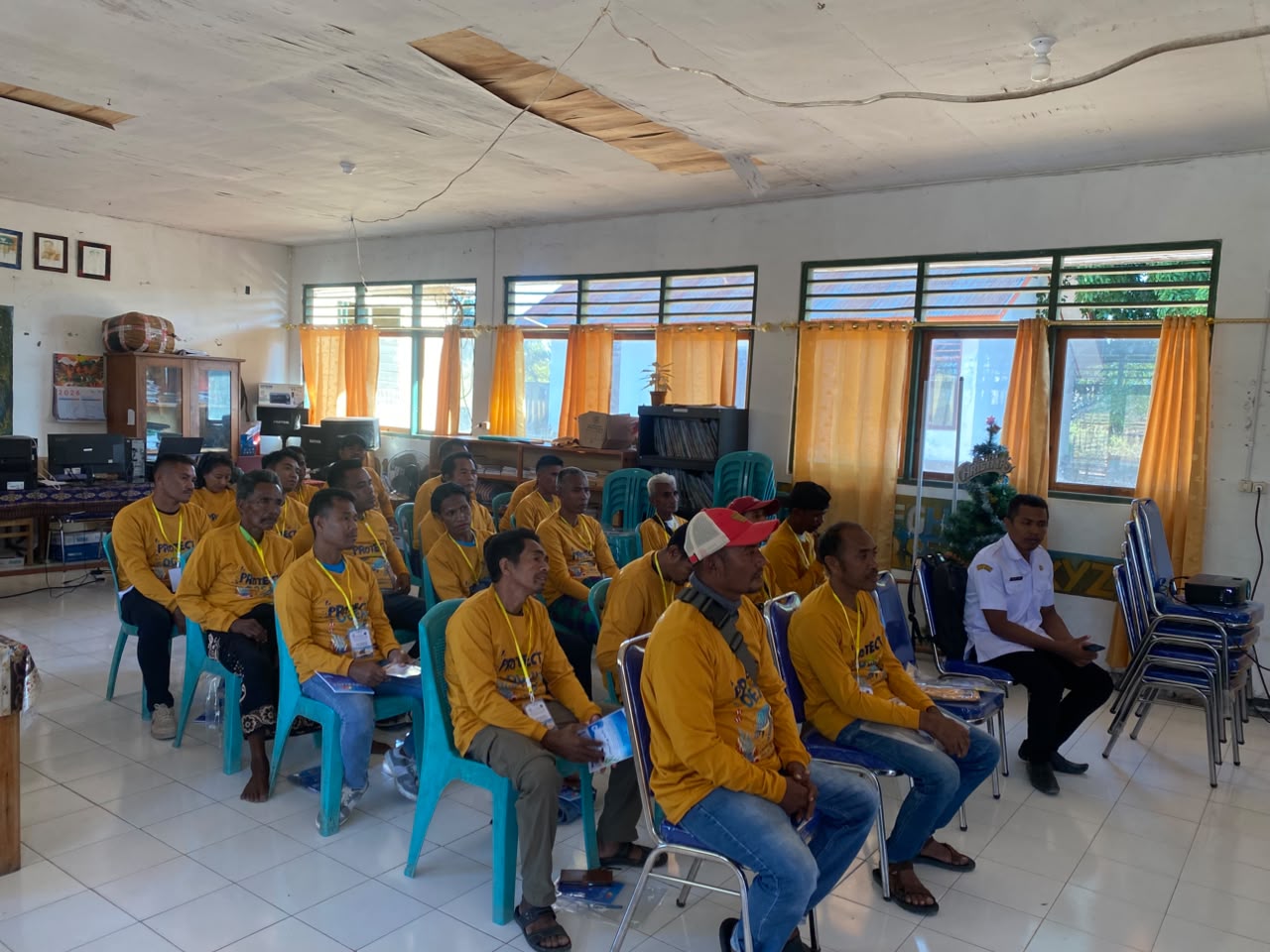
In this program, ITB encourages the Sabu Raijua community to become not only beneficiaries of conservation programs but also key actors in protecting coastal resources in their area.
Improving community capacity in recording, monitoring, and reporting is expected to strengthen conservation sustainability after the mentoring program concludes.
The synergy between science, technology, and local knowledge is also expected to become a model for digital-based coastal conservation management that can be developed in other coastal areas in Indonesia.
Thus, the use of technology in this program aims not only to generate data but also to build community capacity to independently and sustainably maintain marine ecosystems.