PMB ITB 2026: Yorga Permana Encourages Students to Continue to Grow Amidst Technological Change
By Chysara Rabani - Mahasiswa Teknik Pertambangan, 2022
Editor Muhammad Efriza Pandia
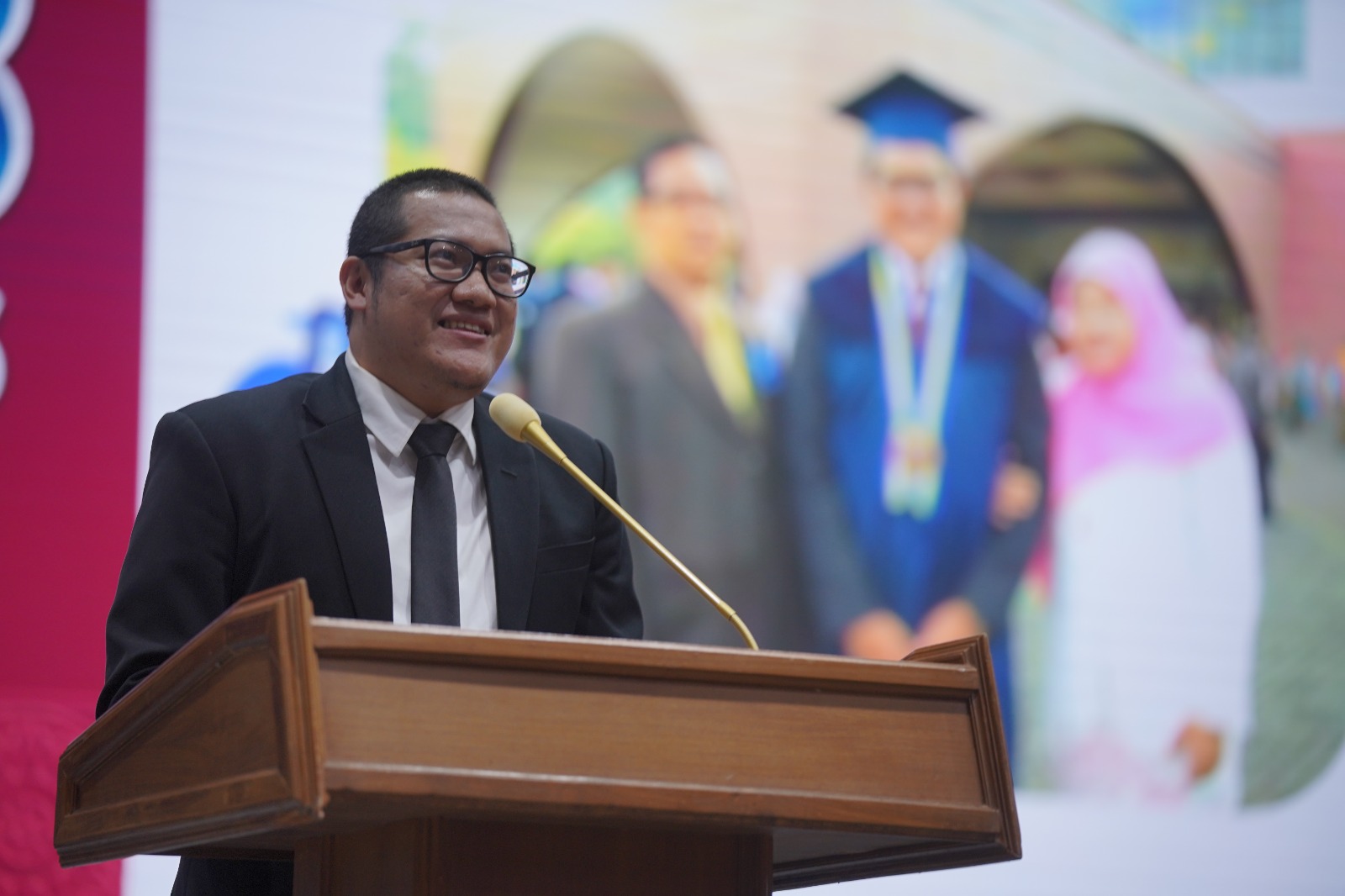
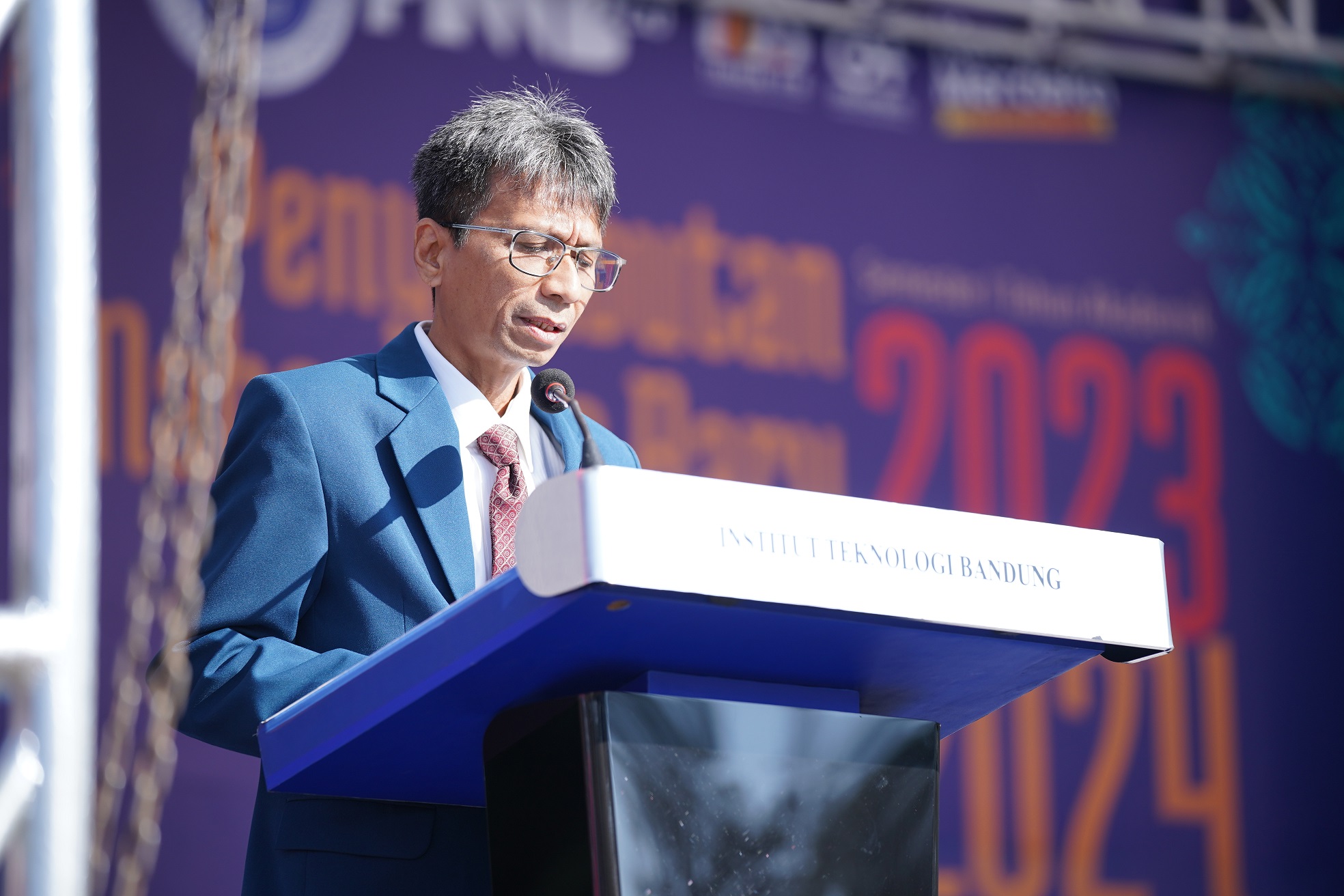
BANDUNG, itb.ac.id — Advances in artificial intelligence, digital transformation and the energy transition continue to reshape the world of work. Faced with these changes, students must not only master technical skills but also continue to learn, adapt and deliver benefits to society. This message was conveyed by Muhammad Yorga Permana, S.T., M.Sc., Ph.D., a lecturer at the School of Business and Management, Institut Teknologi Bandung (SBM ITB), in a keynote address entitled “Technology Changes, People Must Continue to Grow” at the Open Session for the Admission of New Students (PMB) for Semester I of the 2026/2027 Academic Year at the ITB Ganesa Cultural Centre (Sabuga) on Wednesday (5 August 2026).
Muhammad Yorga Permana, who also serves as Head of the Sub-Directorate for Achievement Development within the ITB Directorate of Student Affairs, encouraged new students to view technological developments not as a threat, but as an opportunity to continue to develop and create innovation.
He described how technology has transformed the world of work over the past two decades. A number of jobs, such as telecoms shop assistants and internet café staff, are becoming increasingly rare. Conversely, new professions have emerged, such as online ride-hailing drivers, content creators, AI trainers, prompt engineers and sustainability specialists.
“We do not know what other jobs will be created by technological developments, the energy transition, or the various other innovations currently emerging,” he said.
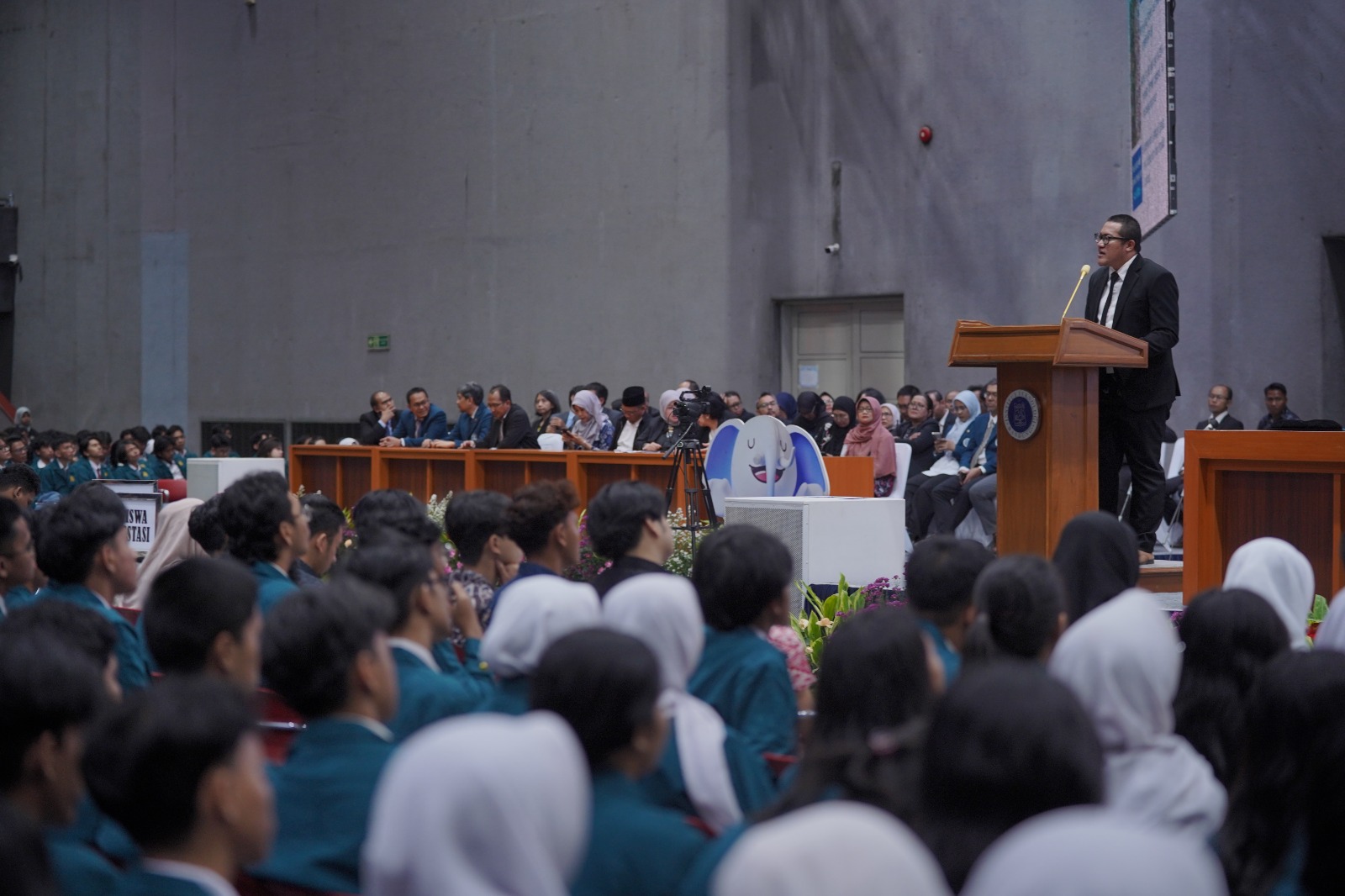
In his view, these changes require students to have the ability to continually learn new things in order to remain relevant. This idea is based on his research journey, from his time as a student through to completing his doctoral studies at the London School of Economics.
For over a decade, Yorga has been researching the relationship between innovation, technology, economic inequality and the world of work. One of his research findings shows that innovation can drive economic growth, but also has the potential to widen inequality if its benefits are not felt equally.
Through research on online ride-hailing drivers, he also found that digital platforms can open up new employment opportunities. However, technology simultaneously presents challenges as algorithms increasingly influence the way people work.
In his view, technology must be used to strengthen human dignity and well-being, not to increase workers’ vulnerability.
“Innovation must favour the vulnerable, so that the benefits of technological progress can be felt by everyone. No one should be left behind,” she said.
To prepare for the future, Yorga emphasised four competencies that students need to develop: learning agility—the ability to continuously learn and adapt; cross-disciplinary collaboration; creativity in generating new ideas; and grit—resilience and perseverance in the face of challenges.
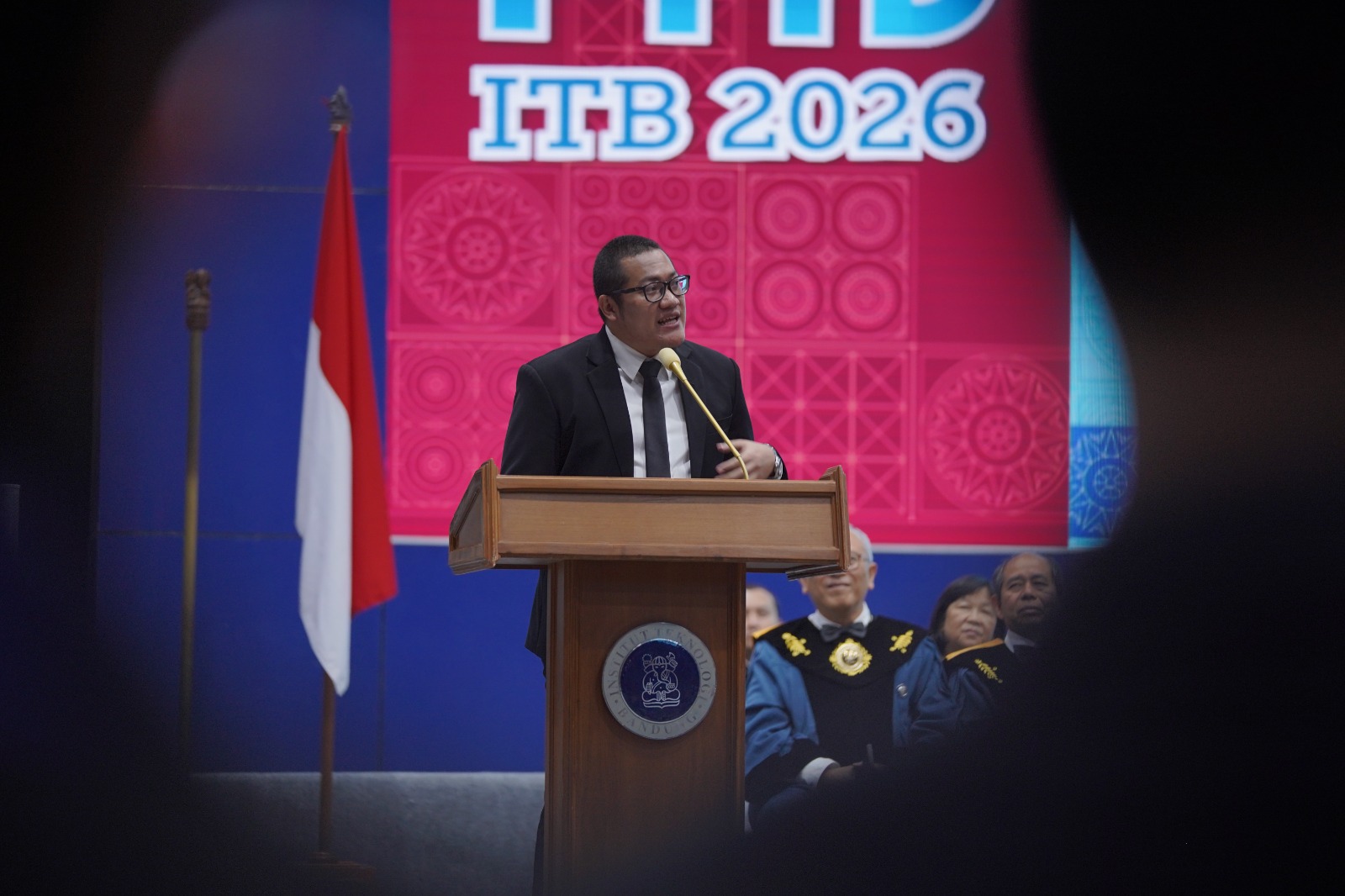
These competencies, he said, are not only built in the classroom, but also through student organisations, student activity units, competitions, entrepreneurship, research, and community service.
He reminded students that the opportunity to study at ITB is a privilege that comes with responsibility. Students are expected to use science and technology to create jobs, reduce poverty and inequality, and resolve various national issues.
“Technology will continue to change. The world of work will continue to change. However, there is one thing that will never change: the human ability to bounce back after failure, to keep learning, to collaborate, and to keep growing,” he concluded.