ITB Strengthens Global Collaboration in Digital Humanities through Technoculture Summer Course and CODH 2026
By Anggun Nindita -
Editor Muhammad Efriza Pandia
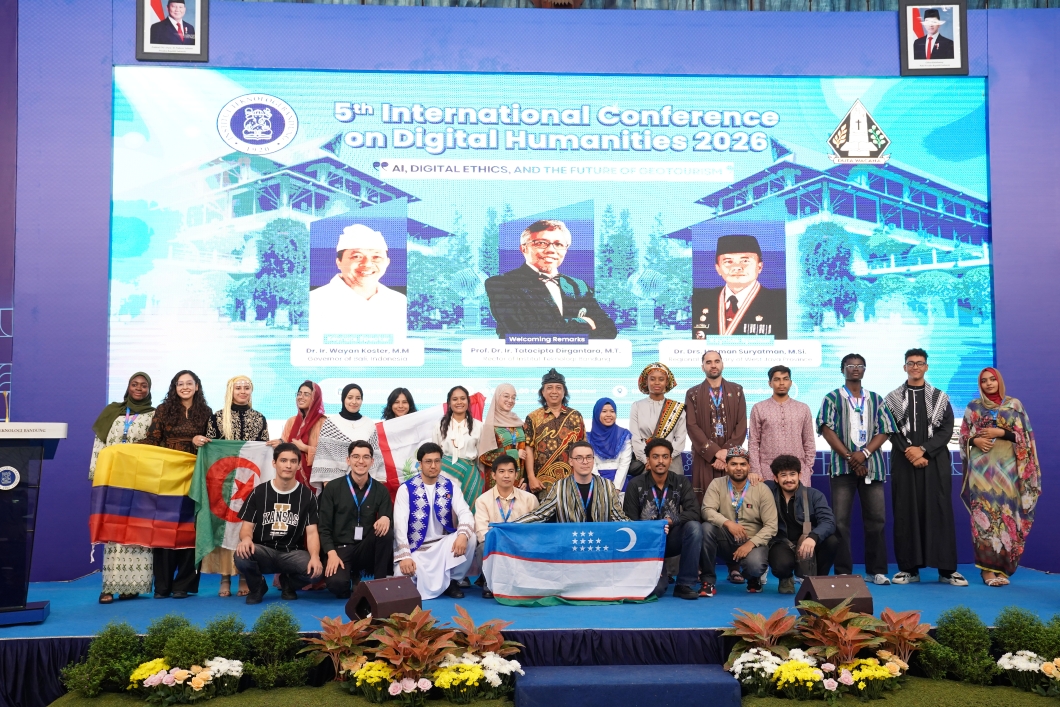
BANDUNG, itb.ac.id — The Graduate School of Multidisciplinary Science and Technology at Institut Teknologi Bandung (SPITM ITB) organized Technoculture Summer Course 2026 from July 13 to 17, 2026. The program was integrated with The 5th International Conference on Digital Humanities (CODH-2026), held at the East Hall, ITB Ganesha Campus, on Friday (July 17, 2026).
Under the theme “AI, Digital Ethics, and the Future of Geotourism,” the two programs brought together students, lecturers, researchers, practitioners, and stakeholders from various countries to explore the ethical use of digital technology rooted in cultural values and aligned with sustainable development.
Participants from 30 Countries
Technoculture Summer Course was the first summer course organized by SPITM ITB. Within approximately one week of registration opening, the program attracted more than 440 applicants from 46 countries across Asia, Africa, the Americas, and Europe.
Following a selection process, 30 participants representing 30 countries were chosen to take part in a series of learning activities covering artificial intelligence, digital humanities, digital ethics, and geotourism.
Dean of SPITM ITB, Prof. Ir. Wahyu Srigutomo, S.Si., M.Si., Ph.D., said the program was designed to provide an academic experience that combined theory with practice.
In addition to classroom learning and written assessments, participants took part in field activities, including a visit to Kawah Putih in Ciwidey. The entire program was designed as a credit-earning course equivalent to three Indonesian credit units, which participants may claim within five years.
“Through this program, we hope participants will gain a meaningful academic experience while becoming more familiar with the quality of education at ITB, particularly at SPITM ITB,” Prof. Wahyu said.
With guidance from faculty members, the participants also prepared academic papers to be presented at CODH-2026. One of the papers compared geotourism development in Bali and Peru, demonstrating the role of digital humanities in bridging diverse cultural and geographical contexts.
Technology Must Advance Alongside the Humanities
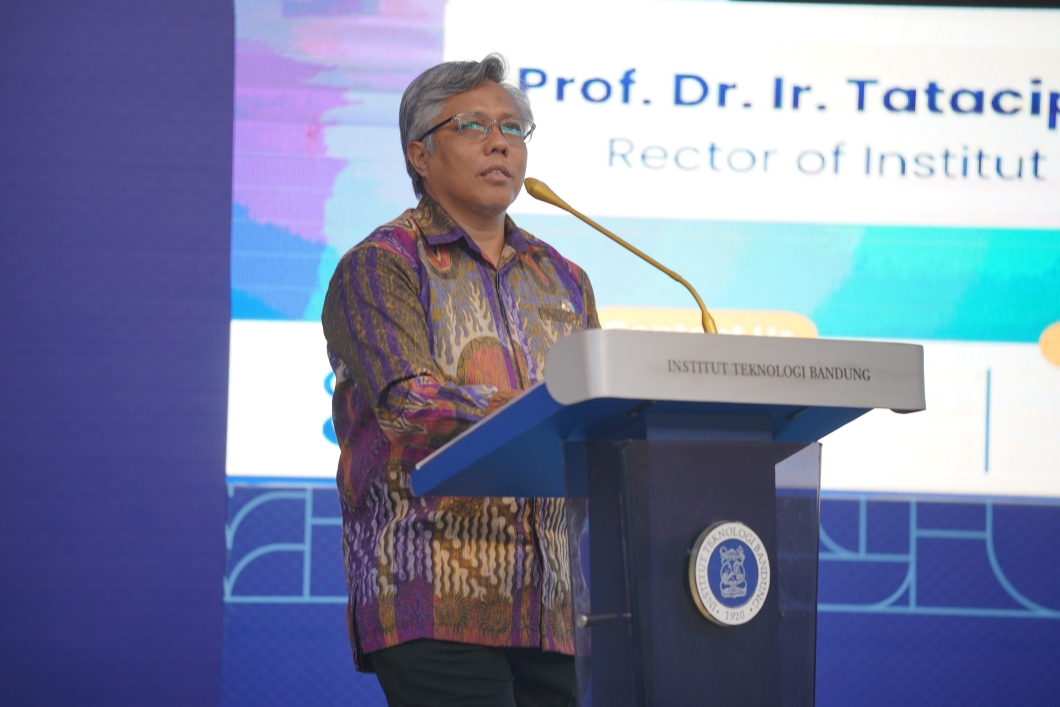
ITB Rector, Prof. Dr. Ir. Tatacipta Dirgantara, M.T., said that the application of technology could not rely solely on an engineering approach. It also required multidisciplinary, interdisciplinary, and transdisciplinary collaboration.
According to him, science and technology without the humanities would lose their soul, while technology developed without an understanding of culture and business risked losing its direction.
“ITB is committed to ensuring that development does not focus solely on engineering, but is also socially accepted, sustainable, and impactful,” he said.
Prof. Tatacipta noted that the organization of CODH for five consecutive years reflected ITB’s consistency in providing a meeting space for academics, researchers, practitioners, government representatives, and industry players to build networks and formulate solutions to complex challenges.
He expressed hope that the Technoculture Summer Course and CODH would be held regularly and evolve into an academic tradition that strengthens collaboration across disciplines and countries.
Expanding Cooperation in Education and Research
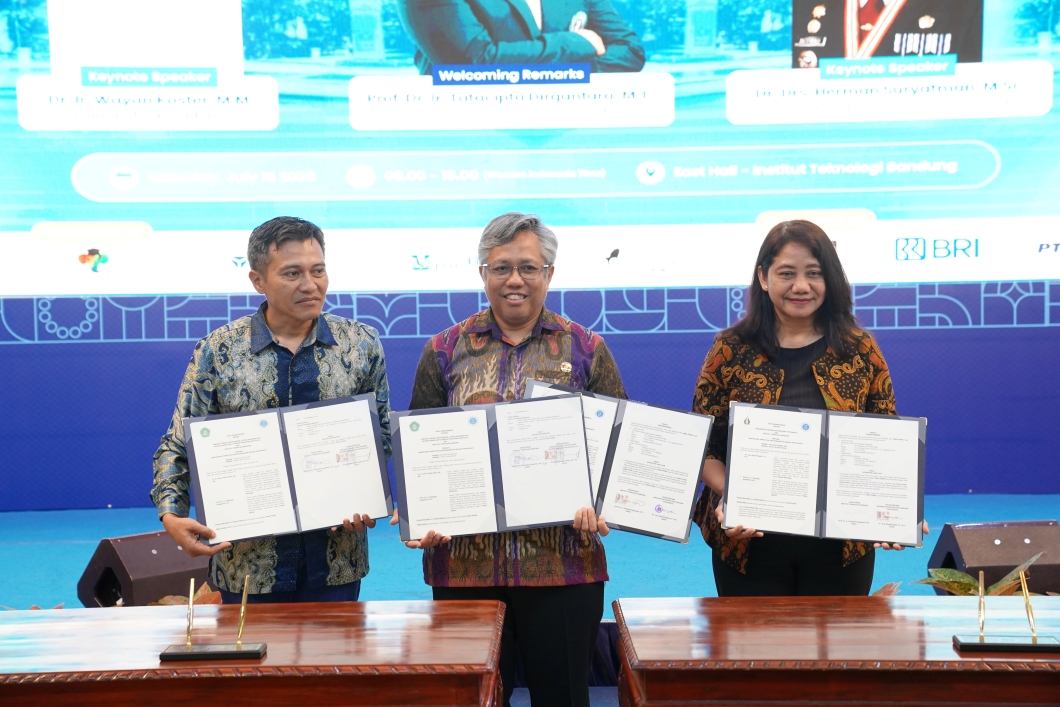
The opening of CODH-2026 was also marked by the signing of memoranda of understanding between ITB and Universitas Kristen Duta Wacana (UKDW) in Yogyakarta, as well as Sekolah Tinggi Ilmu Ekonomi Latifah Mubarokiyah (STIELM) in Tasikmalaya. The partnerships cover education, research, and community service.
Through the Technoculture Summer Course and CODH-2026, SPITM ITB is encouraging research collaboration, academic publications, and international networks that utilize technology to preserve culture, improve the quality of education, and develop geotourism responsibly.
Local Wisdom Guides Digital Transformation
CODH-2026 also featured Governor of Bali I Wayan Koster and Regional Secretary of West Java Province Herman Suryatman as keynote speakers.
I Wayan Koster discussed the role of digital humanities in Bali’s development, which is grounded in the local wisdom values of Sad Kerthi. According to him, technological advancements should be used to strengthen culture, protect the environment, and pass knowledge on to future generations.
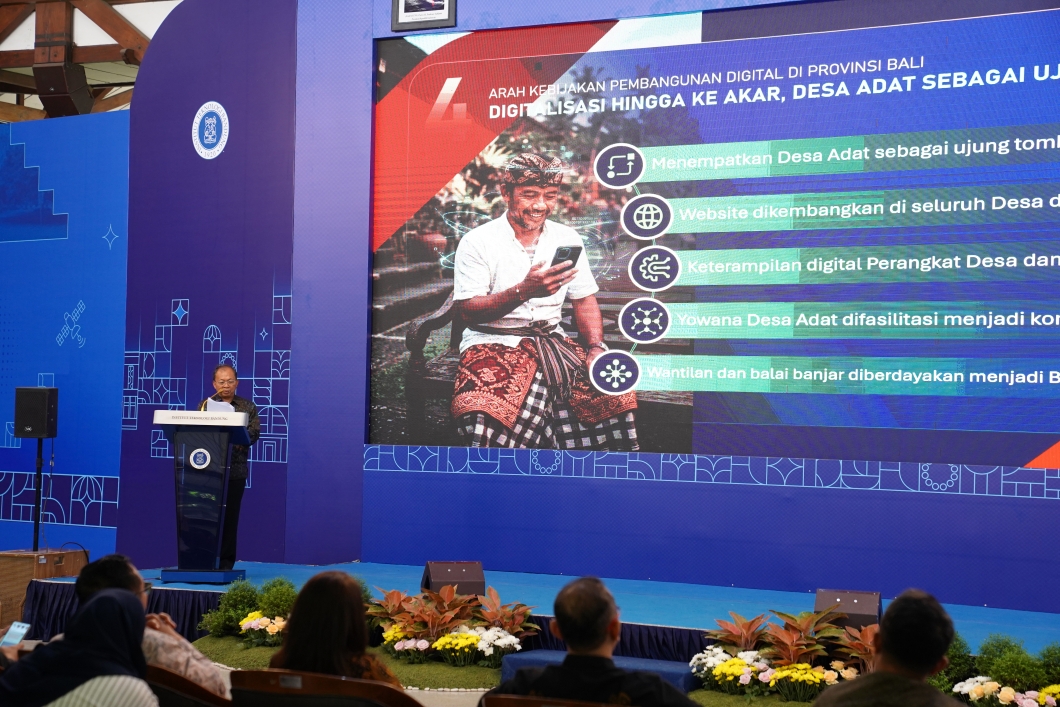
“When digital innovation is guided by cultural values and local wisdom, progress does not merely produce technological sophistication, but also builds a harmonious, dignified, and sustainable civilization,” he said.
He also invited academics to use Bali as a research laboratory, particularly for developing digital talent, preserving culture, digitizing manuscripts, and advancing tourism based on cultural and environmental values.
Meanwhile, Herman Suryatman emphasized the importance of digital transformation that continues to place people at the center of development. The West Java Provincial Government is open to collaborating with ITB to develop the province as a living laboratory for research and innovation that combines technology with local cultural valus.
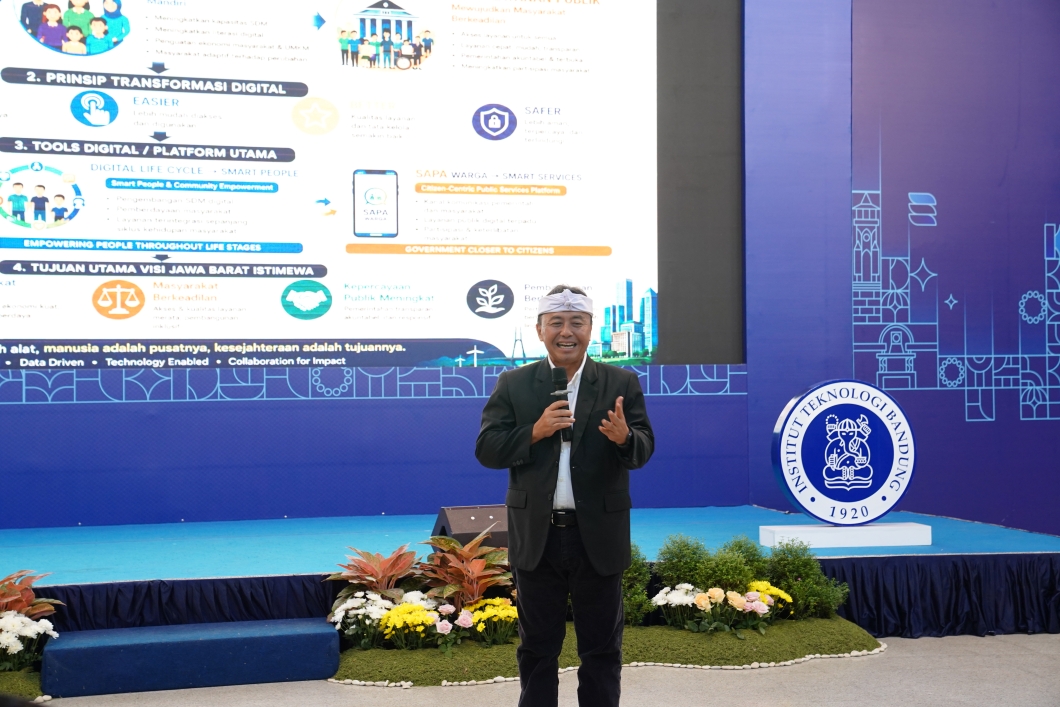
“Technology is the instrument, people are at the center, and well-being is the goal,” he said.
.jpeg)
.jpg)
.jpg)
.jpg)
.jpg)