Ben Wirawan, ITB Alumnus, Shares the Keys to Building Torch.id into a Major and Relevant Company in the Digital Era
By Chysara Rabani - Teknik Pertambangan, 2022
Editor M. Naufal Hafizh, S.S.
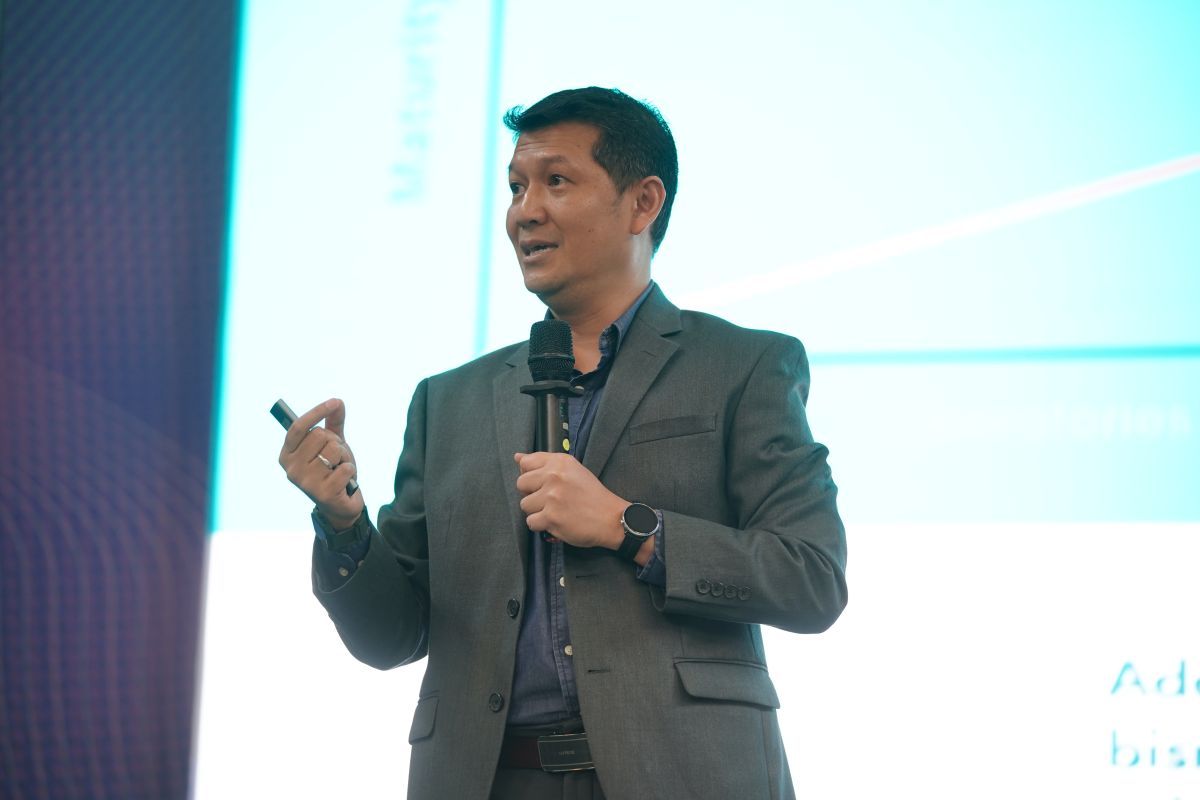
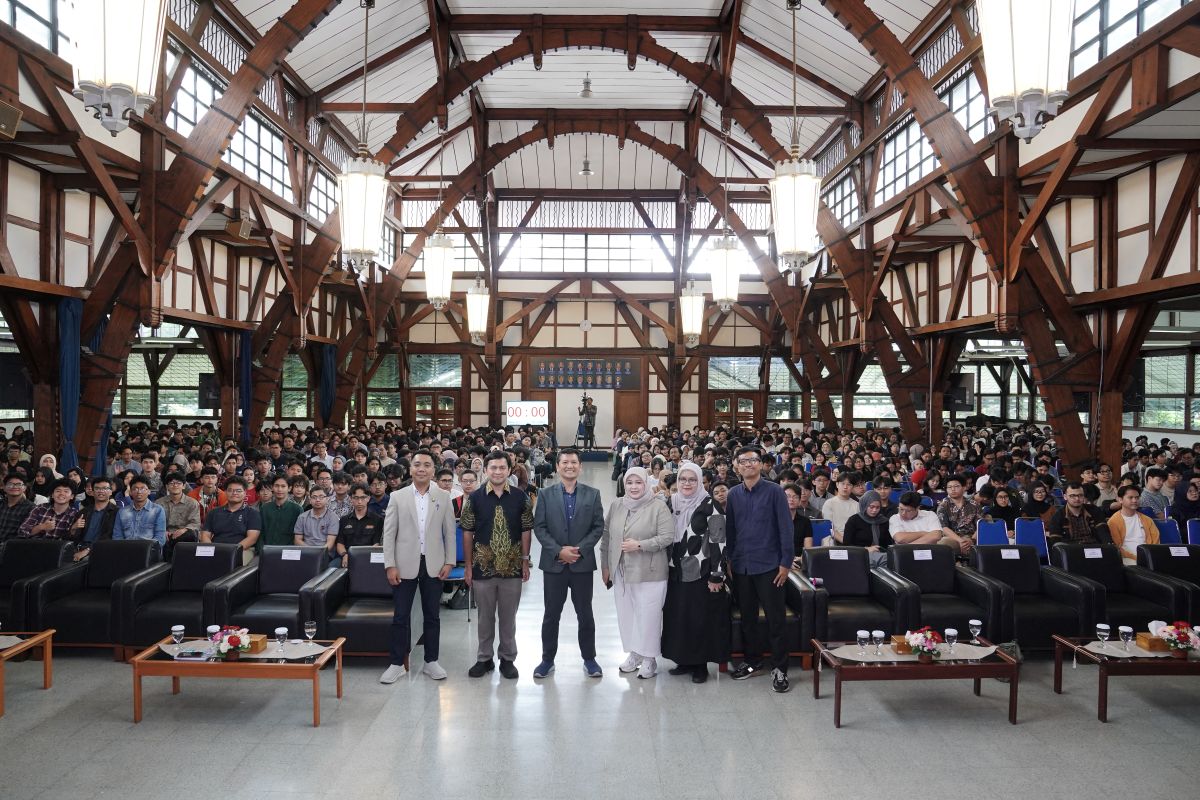
Ben Wirawan, Co-Founder and CEO of Torch.id, an alumnus of ITB Product Design (1994), delivers a lecture at a Studium Generale held at Aula Barat, ITB Ganesha Campus, Wednesday (18/2/2026).
BANDUNG, itb.ac.id — Ten years ago, Ben Wirawan, an alumnus of ITB Product Design (1994), started Torch.id from a small shop-house with a team of six. Within eight years, together with Hanafi Salman, also an ITB Product Design alumnus (1994), he grew the brand 100-fold into a major company. Most recently, the brand was included in the Forbes Asia 100 to Watch 2025 list under the E-commerce & Retail category. The annual list highlights the most promising startups in the Asia-Pacific region, particularly those focusing on innovation such as AI and deep tech.
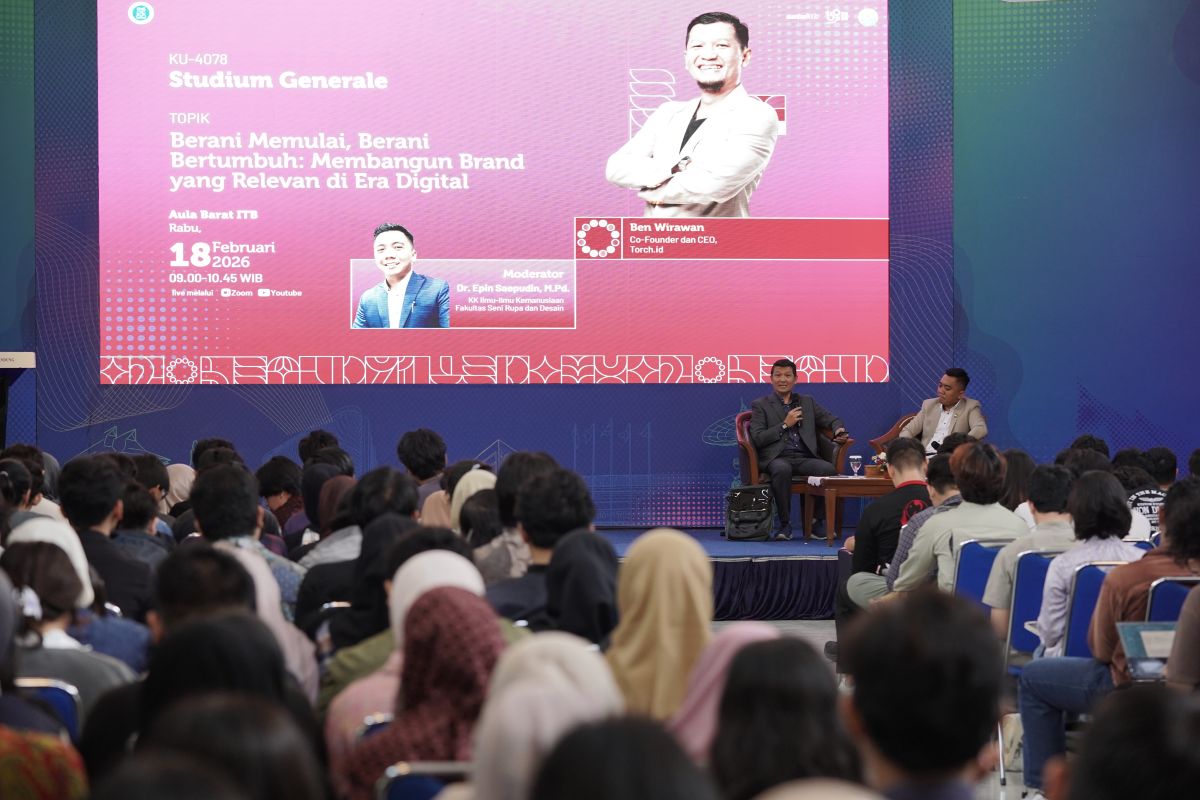
He shared this journey during the ITB Studium Generale titled “Dare to Start, Dare to Grow: Building a Relevant Brand in the Digital Era” at Aula Barat, ITB Ganesha Campus, Wednesday (18/2/2026).
In front of around 1,100 students attending from ITB’s Ganesha, Jatinangor, and Cirebon campuses, Ben—now Co-Founder and CEO of Torch.id—did not only speak about business, but about mindset: how to view problems, identify opportunities, and build something that remains relevant in the long term. Achieving 100-fold growth within eight years was not an overnight success, but the result of strategy, perseverance, and the courage to take risks.
From Design Studio to the National and Global Industry Stage
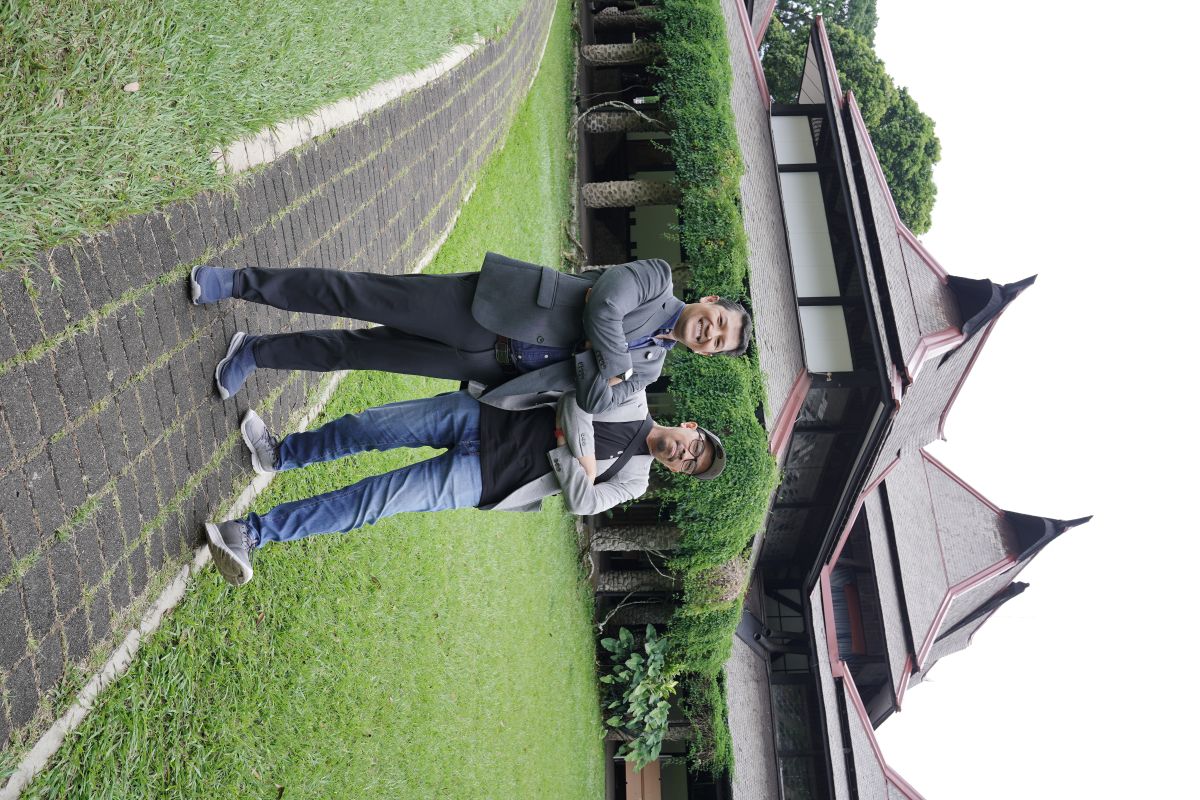
Ben Wirawan, Co-Founder & CEO of Torch.id, and Hanafi Salman, Co-Founder & Chief Designer of Torch.id. Both are ITB Product Design alumni (1994).
Ben studied Product Design at the Faculty of Art and Design (FSRD), ITB. The design thinking mindset he developed during his studies became a crucial foundation in building the company. According to him, ITB not only provided technical knowledge but also shaped the way he approaches problems.
He emphasized that passion and personal mission have been the compass of his career journey.
“I believe everyone can become truly great when they are aligned with their mission. Don’t get trapped by your major. Knowledge can be learned from the people you meet and the books you read,” he said.
He sees a clear thread connecting his education at ITB and his professional journey in the industry: a problem-solving approach, the courage to experiment, and the ability to adapt.
For Ben, building a business is not merely about pursuing profit, but about contributing to the transformation of the national economic structure. He encouraged Indonesia’s workforce to gradually transition from micro-scale enterprises to larger, more productive companies as part of the journey toward Indonesia’s 2045 economic vision.
.jpg)
Beyond strengthening the domestic market, Torch has demonstrated its capacity as a local brand capable of performing on the global stage through international intellectual property (IP) collaborations. Ben cited Torch’s partnerships with globally renowned IPs such as Marvel, Mobile Suit Gundam, and One Piece. This strategy proves that Indonesian local brands have the competitiveness to collaborate within the global ecosystem while reinforcing the national creative industry amid international competition.
Lean Startup Strategy and Relevant Products
According to Ben, the key to brand growth lies in applying The Lean Startup method through the Build–Measure–Learn cycle. Each product is tested through a Minimum Viable Product (MVP), evaluated, and continuously refined.
“We must create products that remain relevant over time—timeless. The main strategy is to build a personal customer journey. The longer the message is discussed by many people, the stronger the impact on the brand,” he explained.
This approach not only builds a brand but also fosters an emotional connection with customers.
Toward National Industrial Independence
Ben sees greater opportunities for collaboration between industry and universities. He emphasized the importance of research and material development so that national industries do not remain dependent on imports. This idea aligns with ITB’s vision as a fourth-generation university that goes beyond publication and innovation, encouraging downstreaming and industrial independence. Collaboration between academia and industry serves as a vital bridge to strengthen national competitiveness.
The Studium Generale concluded with a quote from Alvin Toffler that serves as Ben’s guiding principle in business:
“The illiterate of the 21st century will not be those who cannot read and write, but those who cannot learn, unlearn, and relearn.”
.jpeg)
.jpg)
.jpg)
.jpg)
.jpg)