ENDINAMOSIS 2026: ITB Promotes Innovation-Driven Rural Development and Community Empowerment
By Anggun Nindita
Editor Anggun Nindita
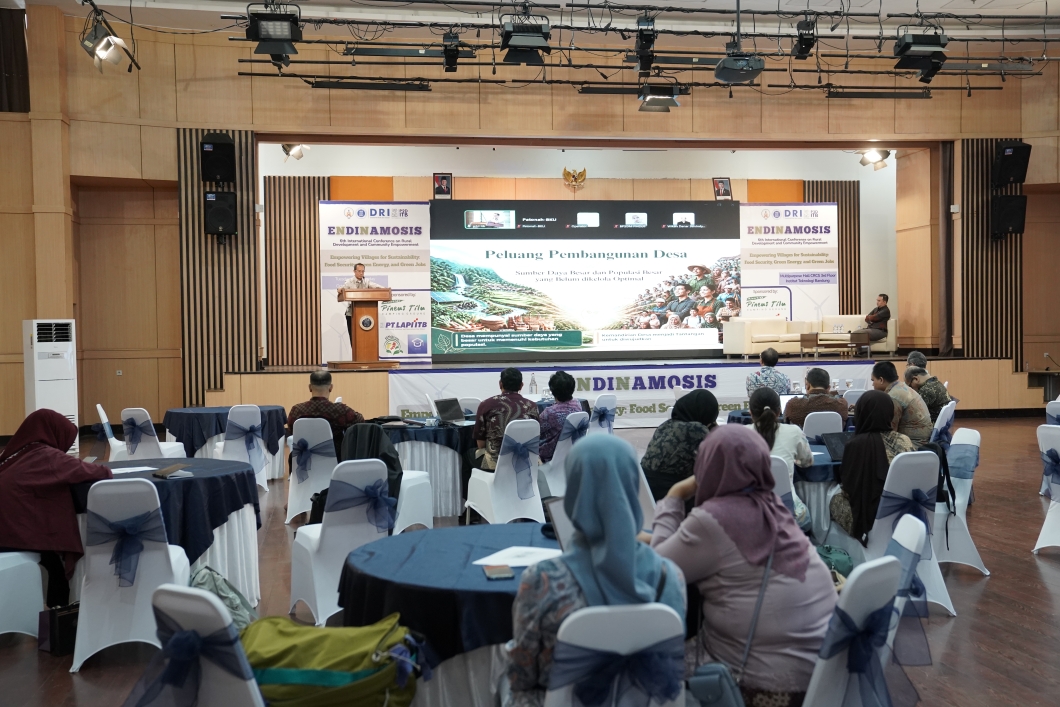
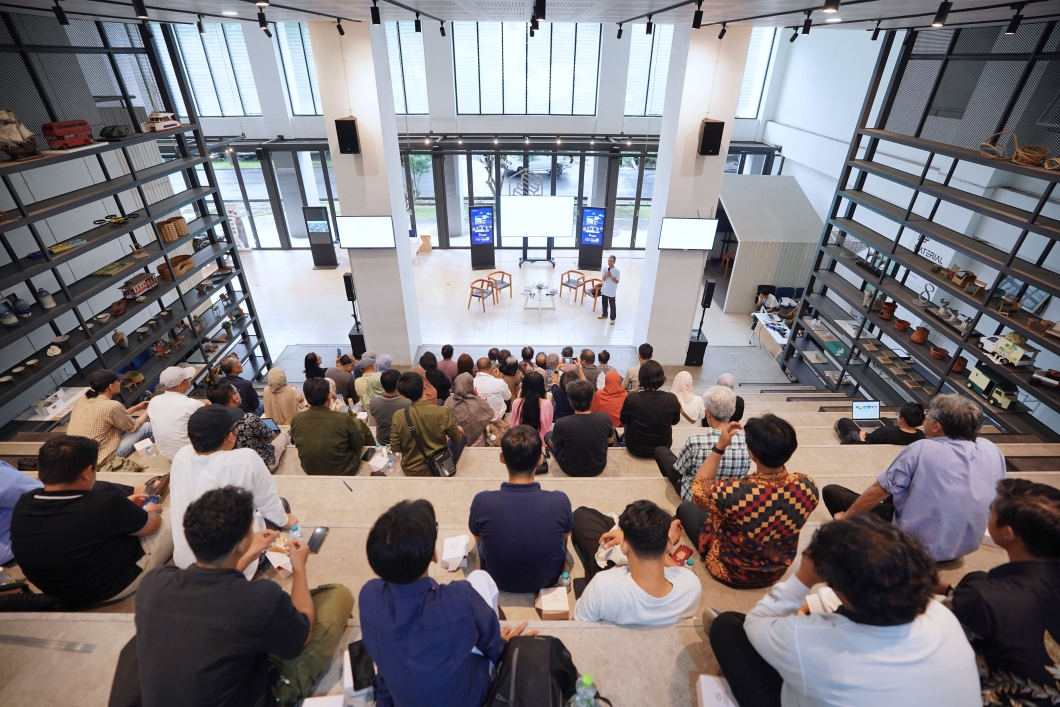
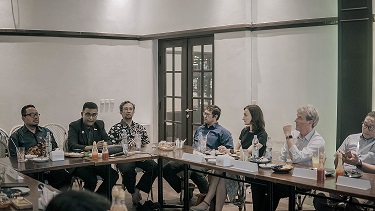
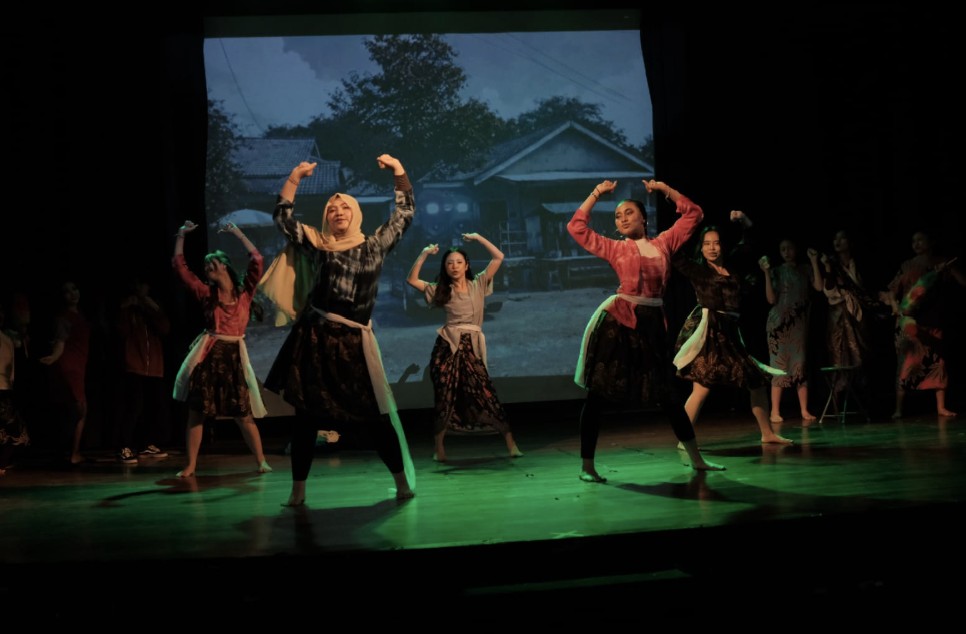
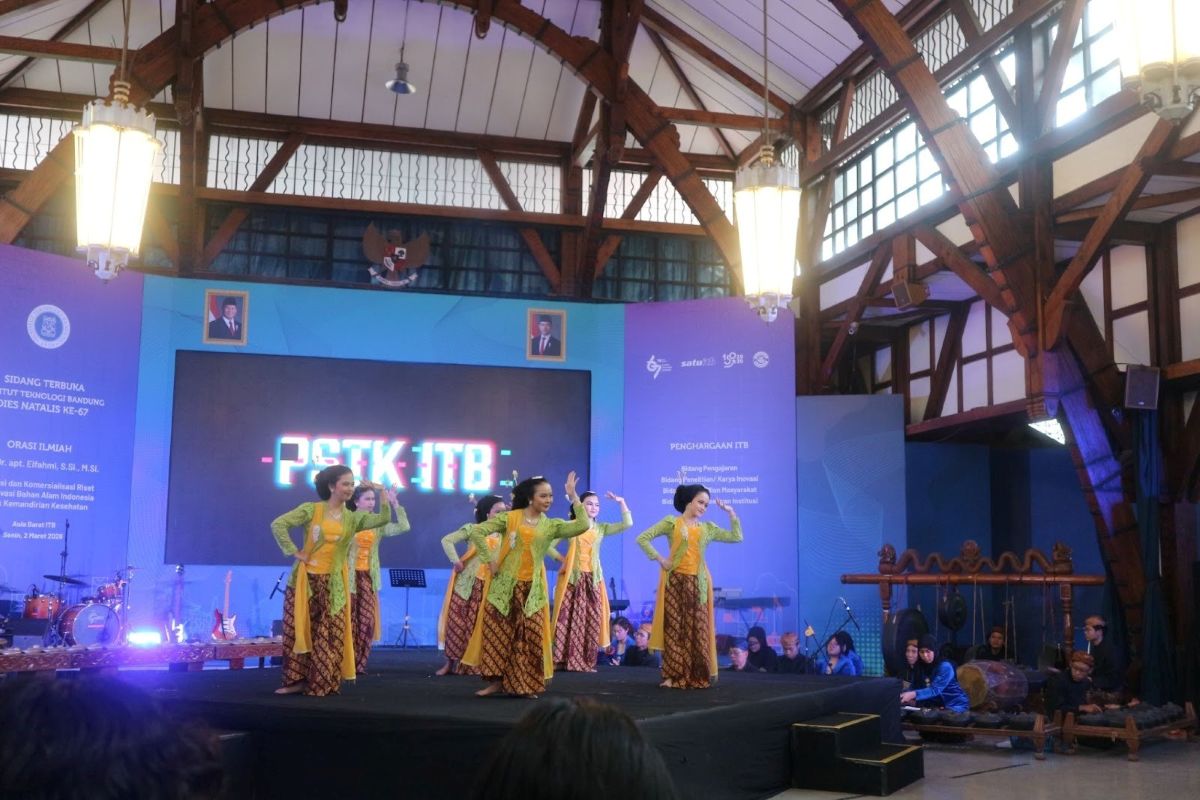
BANDUNG, itb.ac.id – Institut Teknologi Bandung (ITB), through its Center for Rural Empowerment (P2D), held the ENDINAMOSIS 2026 conference at the Multipurpose Hall, 3rd Floor, CRCS Building, ITB Ganesha Campus, on Wednesday (October 21, 2026). Part of a series of events held from October 20 to 22, 2026, the conference served as a platform for discussion and collaboration to advance rural development through technological innovation, local economic development, and community empowerment.
Under the theme "Empowering Villages for Sustainability: Food Security, Green Energy and Green Jobs," the conference focused on strategies and innovations to empower rural communities and promote sustainable development.
The conference addressed a range of issues, including food security, green energy, rural technology and innovation, cultural preservation, institutional development, socioeconomic empowerment, and the expansion of employment opportunities for rural communities.
ITB's Contributions Through Infrastructure, Renewable Energy, and Rural Empowerment
Dr. Tri Desmana Rachmildha, S.T., M.T., a representative of ITB's Center for Rural Empowerment (P2D), emphasized that rural development requires the involvement of various stakeholders, including higher education institutions. With more than 75,000 villages across Indonesia, development approaches must address community needs while optimizing local potential.
"Through P2D, ITB has contributed to various infrastructure development and community empowerment programs in several regions, particularly those with limited access to basic facilities. One such contribution involves the construction of roads and suspension bridges in remote areas, including West Java, to improve connectivity and facilitate community mobility," he said.
In addition to transportation infrastructure, ITB's P2D has promoted the use of renewable energy, including the development of micro-hydropower plants in South Sulawesi and the installation of solar panels in areas not yet connected to the main electricity grid.
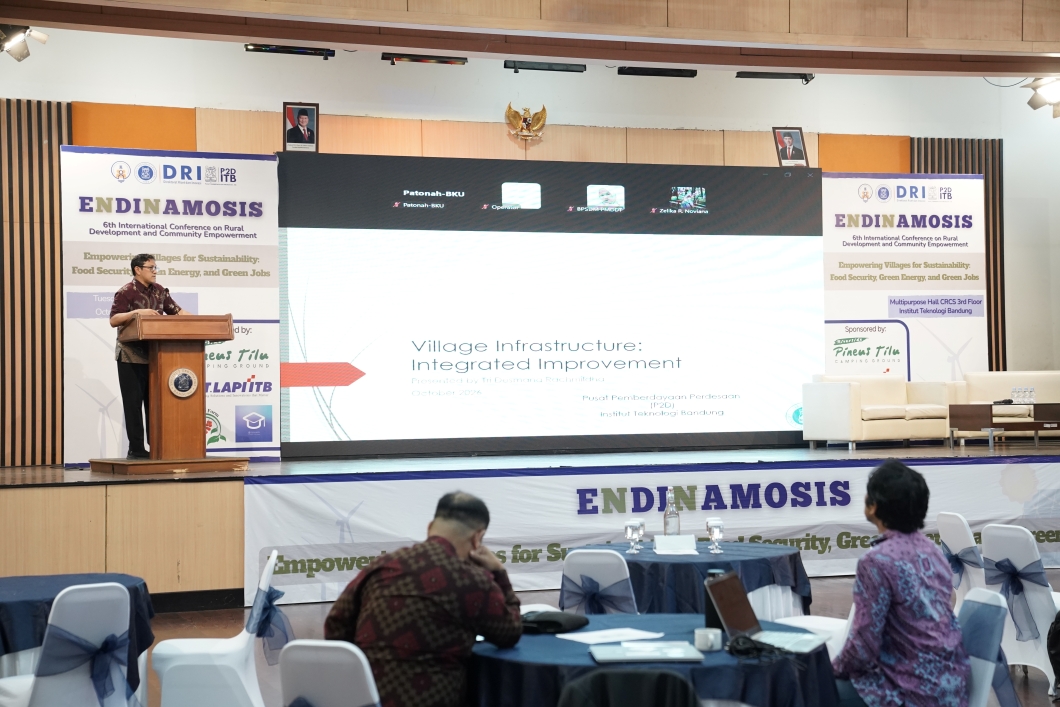
"These technologies are intended not only to meet energy needs but also to support educational activities, productive economic activities, and public services, including street lighting and community healthcare facilities," he explained.
Dr. Tri added that various P2D programs also involve ITB students in community assistance and empowerment initiatives. Students are encouraged to apply their knowledge directly, including by helping communities process locally available agricultural products into goods with greater economic value.
"Through this approach, rural development is expected to go beyond infrastructure provision and contribute to strengthening community capacity and self-reliance in the long term," he said.
Strengthening Rural Economies and Cross-Sector Collaboration
Dr. Agustomi Masik, M.Dev.Plg., Head of the Agency for Human Resources Development and Community Empowerment of Villages, Disadvantaged Regions, and Transmigration (BPSDM Kemendesa PDTT), highlighted the challenges posed by development disparities between urban and rural areas.
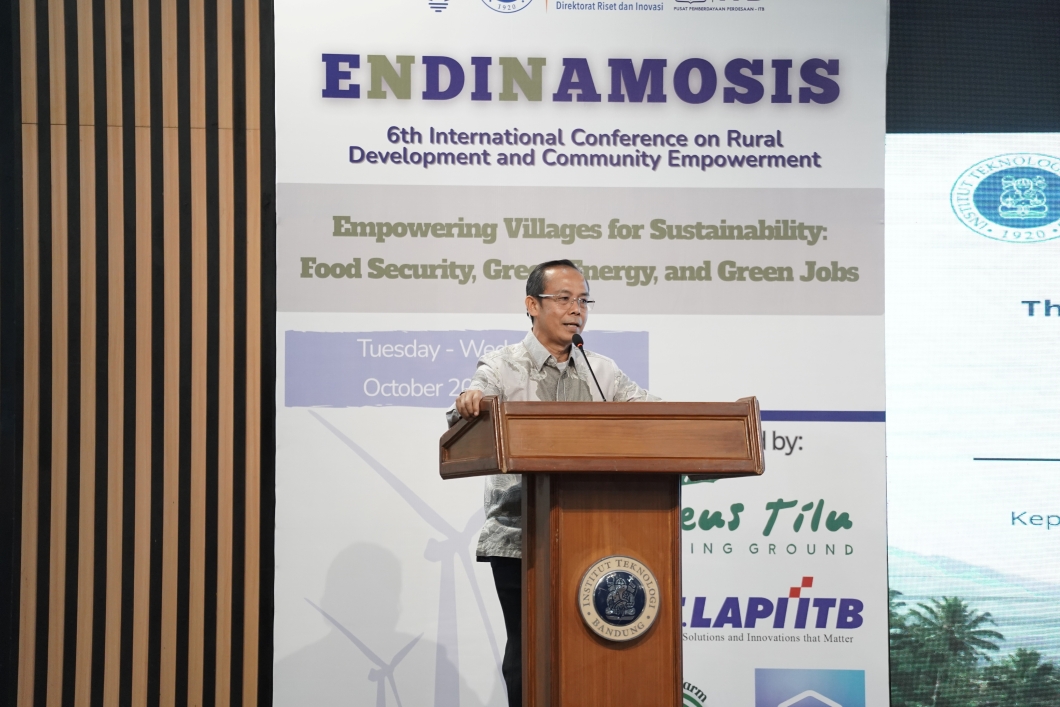
He explained that the concentration of population and economic activities in urban areas remains a challenge for rural development. This situation also affects the equitable distribution of infrastructure, economic opportunities, and the availability of a productive workforce in rural communities.
"Development efforts must increasingly take into account local economic potential and the needs of rural communities. Strengthening productive sectors, improving access to energy, and increasing the efficiency of agricultural product distribution are among the key factors in improving community welfare," he stated.
"Strengthening human resources, governance, and sustainable support systems is also essential to ensure that infrastructure development delivers optimal benefits to communities," he continued.
Dr. Agustomi also encouraged academics and students to contribute ideas, research, and innovations that could be practically implemented to address rural development challenges.