ITB Hosts Higher Education Leadership Academy
By Anggun Nindita
Editor Anggun Nindita
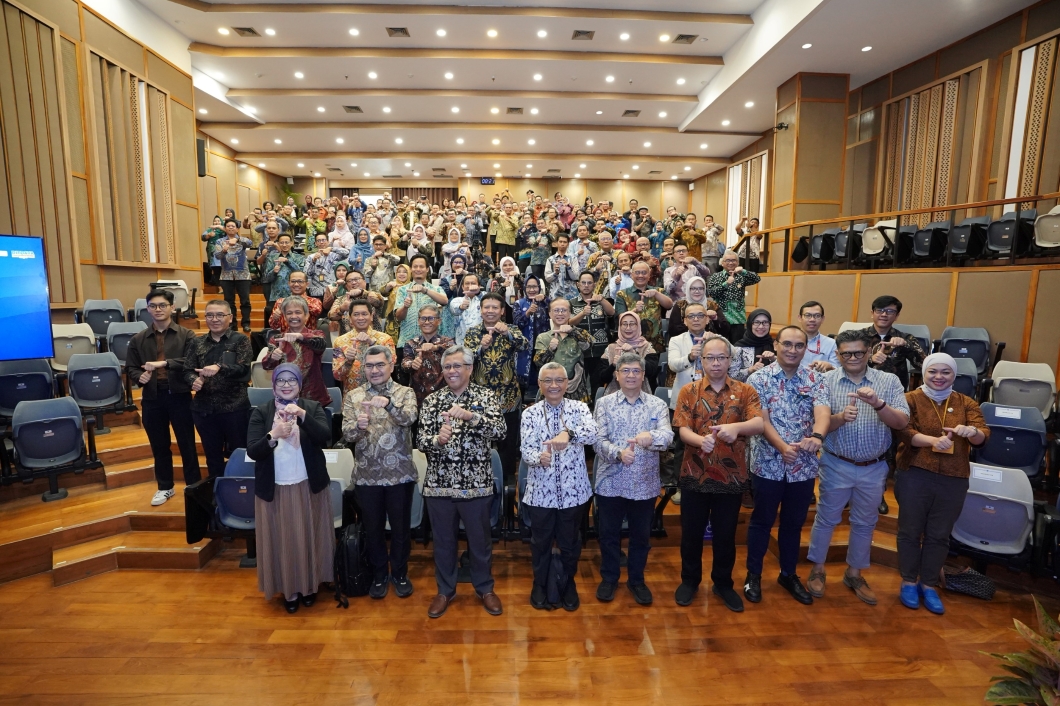
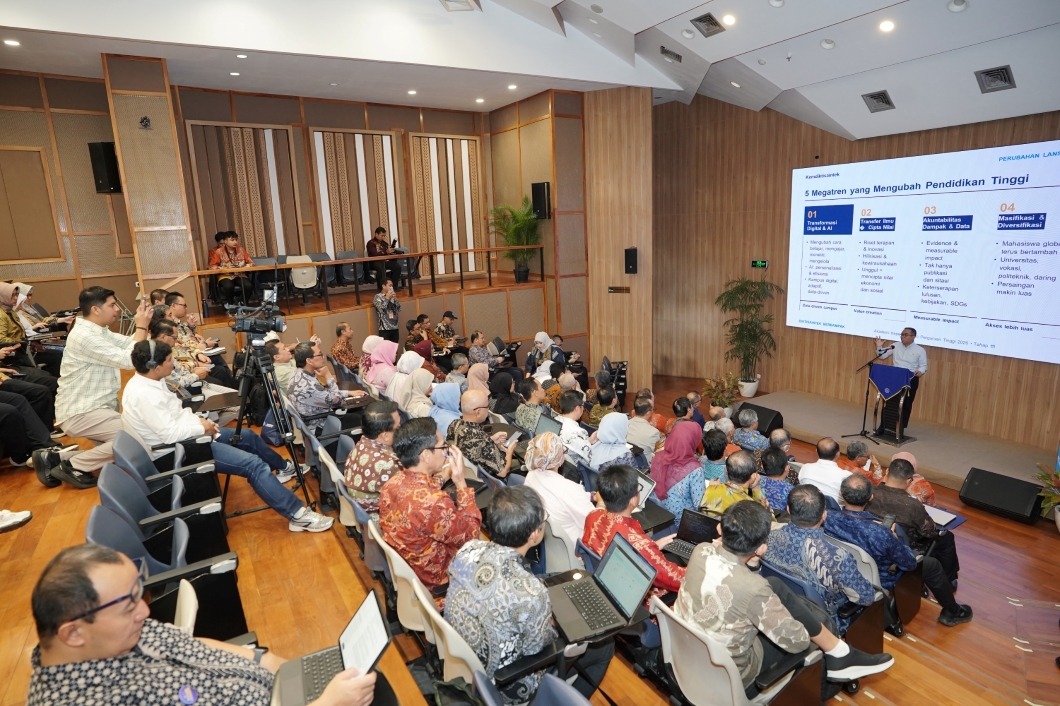
BANDUNG, itb.ac.id — Institut Teknologi Bandung (ITB) hosted the third phase of the first cohort of the Higher Education Leadership Academy (AKPT) 2026, organized by the Ministry of Higher Education, Science, and Technology (Kemdiktisaintek), on October 8–9, 2026.
Under the theme “Institutional Transformation & Innovation,” the program provided a platform for current and aspiring higher education leaders to strengthen their leadership capacities in navigating change and driving institutional transformation that is adaptive, innovative, and impactful.
Universities Encouraged to Lead Change
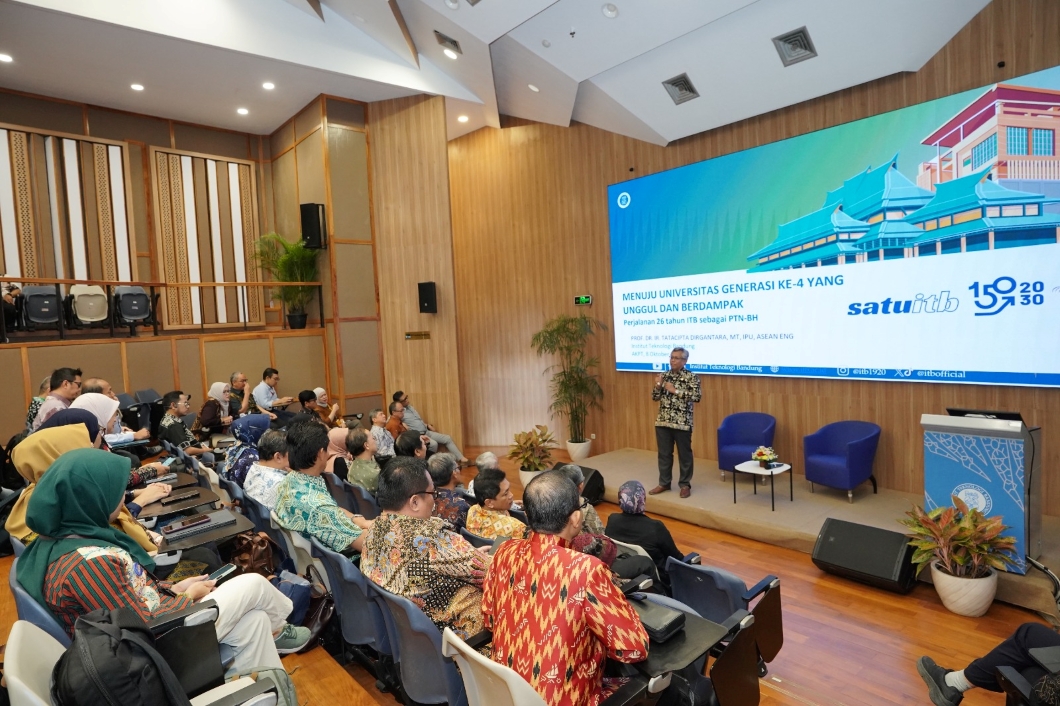
ITB Rector, Prof. Dr. Ir. Tatacipta Dirgantara, M.T., emphasized that rapid changes, including advancements in artificial intelligence (AI), require universities to continuously adapt and be willing to step outside their comfort zones.
"AKPT serves as an important platform for university leaders to exchange experiences and best practices, while strengthening networks and fostering a shared commitment to driving positive change within their respective institutions," said Prof. Tata.
Meanwhile, Director of Resources at the Directorate General of Higher Education, Kemdiktisaintek, Prof. Dr. Ir. Sri Suning Kusumawardani, S.T., M.T., stressed that universities must go beyond merely managing change and develop the capacity to lead it.
"Leadership must be able to transform knowledge and ideas into innovation and tangible impact. Aspiring university leaders are also encouraged to start developing their vision, capabilities, networks, willingness to take responsibility, and integrity from an early stage," said Prof. Sri.
The third phase of AKPT builds on the two previous phases. Phase I was held at Kemdiktisaintek and Bina Nusantara University (Binus) under the theme “Foundation of Higher Education Leadership,” while Phase II took place at Universitas Gadjah Mada (UGM) under the theme “Strategic University Leadership.”
While the previous phases equipped participants with foundational and strategic leadership skills, Phase III focused on translating these concepts into more concrete institutional transformation initiatives.
ITB Shares Best Practices in Research and Innovation Transformation
During the two-day program in Bandung, participants explored various strategic issues in higher education, ranging from digital transformation and AI adoption to strengthening research and innovation, research commercialization, and the development of adaptive and accountable university governance.
On the first day, Thursday (October 8, 2026), the ITB Rector delivered a session titled “ITB Best Practices: Leading Research and Innovation Transformation.” Through this session, ITB shared its experiences in advancing research and innovation transformation as part of its broader institutional development.
Chairman of the Institution of Engineers Indonesia (PII), Ilham Akbar Habibie, also delivered a presentation on strengthening university research and innovation, as well as commercializing research outcomes through startups to support Indonesia's national industrial ecosystem.
The learning activities continued through two parallel tracks: the Leaders Class and the Future Leaders Class. Participants discussed digital transformation and AI, the development of research and innovation ecosystems through startups and pentahelix collaboration, and data-driven governance.
The first day's activities also included a visit to the ITB Museum, offering participants an opportunity to gain deeper insights into ITB's history, contributions, and development as a higher education institution.
Strengthening Research Commercialization and Entrepreneurial Universities
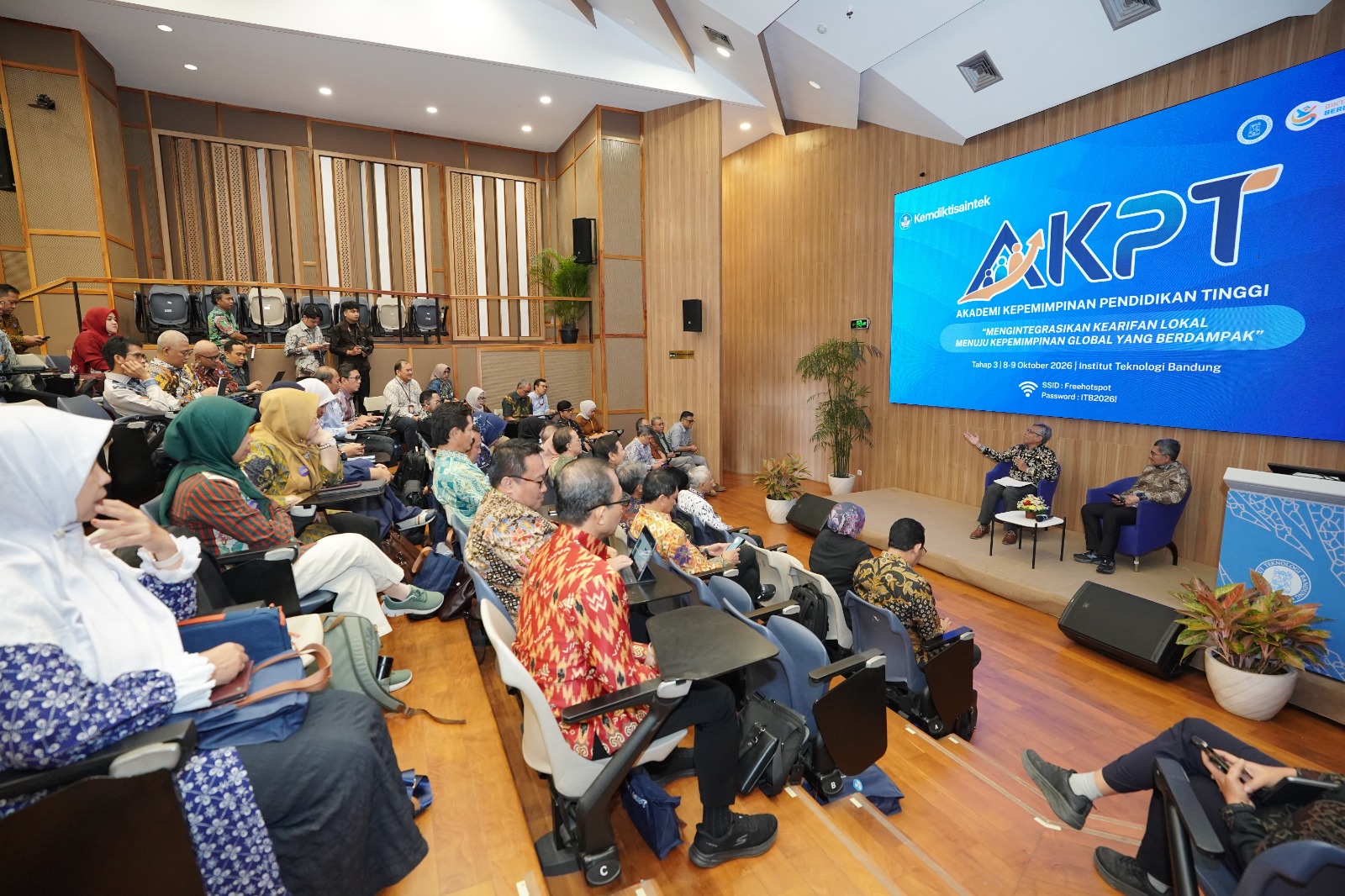
On the second day, Friday (October 9, 2026), Minister of Higher Education, Science, and Technology, Prof. Brian Yuliarto, Ph.D., was scheduled to lead a joint session on “Institutional Transformation and Innovation.”
Participants were also scheduled to attend sessions covering innovation management and research commercialization, regulations and governance, the development of entrepreneurial universities, and institutional resilience in responding to global changes.
Head of the National Research and Innovation Agency (BRIN), Arif Satria, was scheduled to deliver a session on innovation management and research commercialization for the Leaders Class. Meanwhile, participants in the Future Leaders Class were scheduled to explore regulations as drivers of innovation and adaptive governance with Head of the Development Control and Special Investigation Agency, Aries Marsudiyanto.
Director General of Research and Development at Kemdiktisaintek, Fauzan Adziman, was also scheduled to present a session titled “Innovation, Research Commercialization, and Entrepreneurial University” during a joint class.
The third phase of AKPT concluded with presentations of the Phase III Break Projects.
Through the implementation of AKPT Phase III at ITB, current and aspiring university leaders are expected to become better prepared not only to respond to change but also to drive transformation within their respective institutions.
The exchange of experiences, best practices, and professional networks established throughout the program is expected to strengthen Indonesia's higher education ecosystem, making it more adaptive, innovative, collaborative, and capable of delivering meaningful contributions to society and national development toward Golden Indonesia 2045.