Prasanti W. Sarli Named in Asian Scientist 100, Bringing ITB Disaster Research to the Asian Stage
By Merryta Kusumawati - Teknik Geodesi dan Geomatika, 2025
Editor Muhammad Efriza Pandia
.jpg)
BANDUNG, itb.ac.id - Prasanti W. Sarli, also known as Asih, an academic from Institut Teknologi Bandung (ITB), has once again been included in the Asian Scientist 100 list compiled by Asian Scientist Magazine. The list features 100 outstanding researchers in Asia who are recognized for their significant contributions through awards, scientific discoveries, and leadership in academia and industry.
For Asih, the recognition is not only a personal and professional appreciation, but also an opportunity to represent the field of engineering, particularly civil engineering and disaster mitigation. She believes her inclusion in the list shows that contributions from engineering also play an important role in the development of science at the Asian level.
“I feel happy that as someone who comes from the world of engineering, especially civil engineering, I can represent my field on the list,” she said.
Disaster Research and the Use of Artificial Intelligence
.jpg)
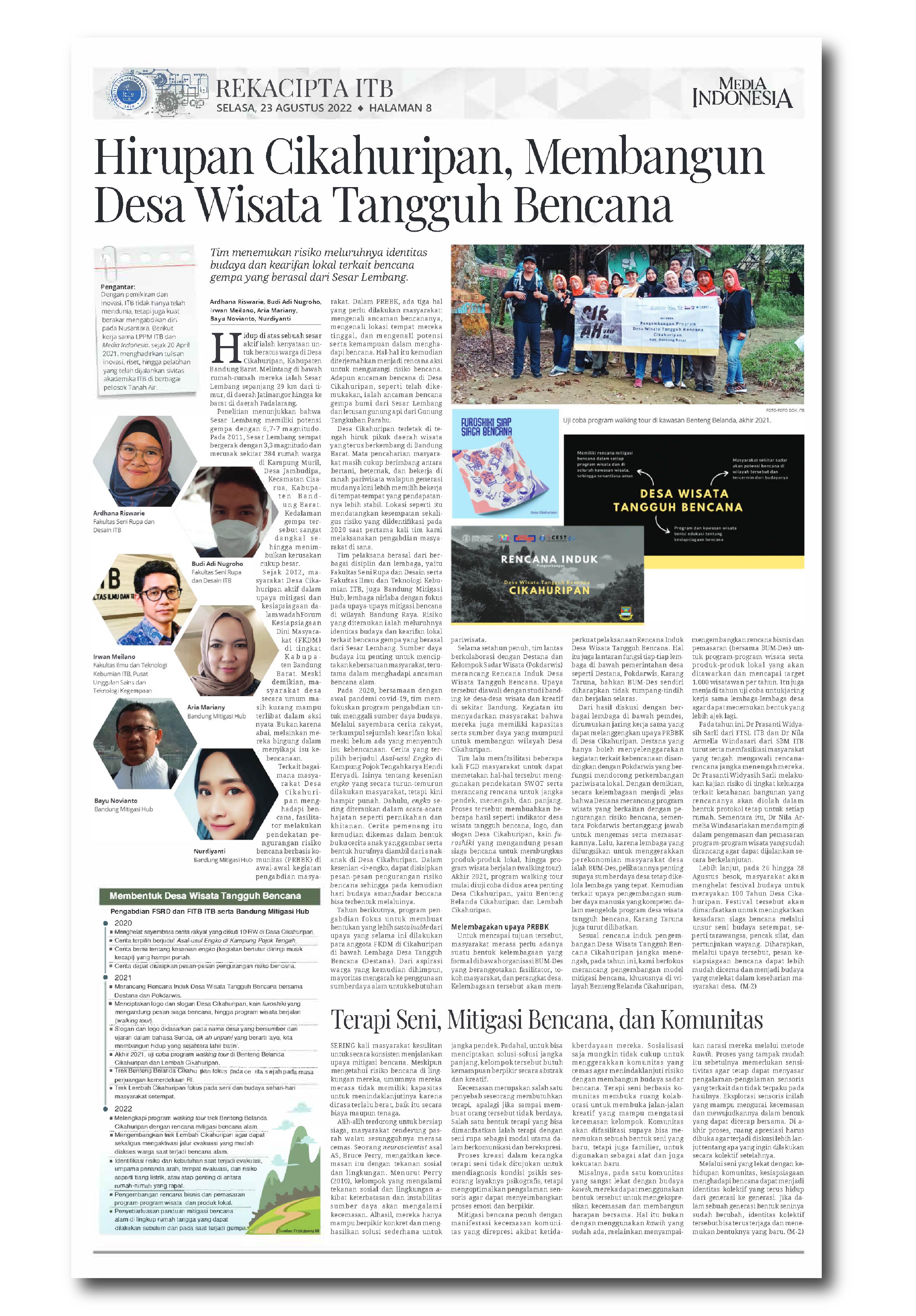
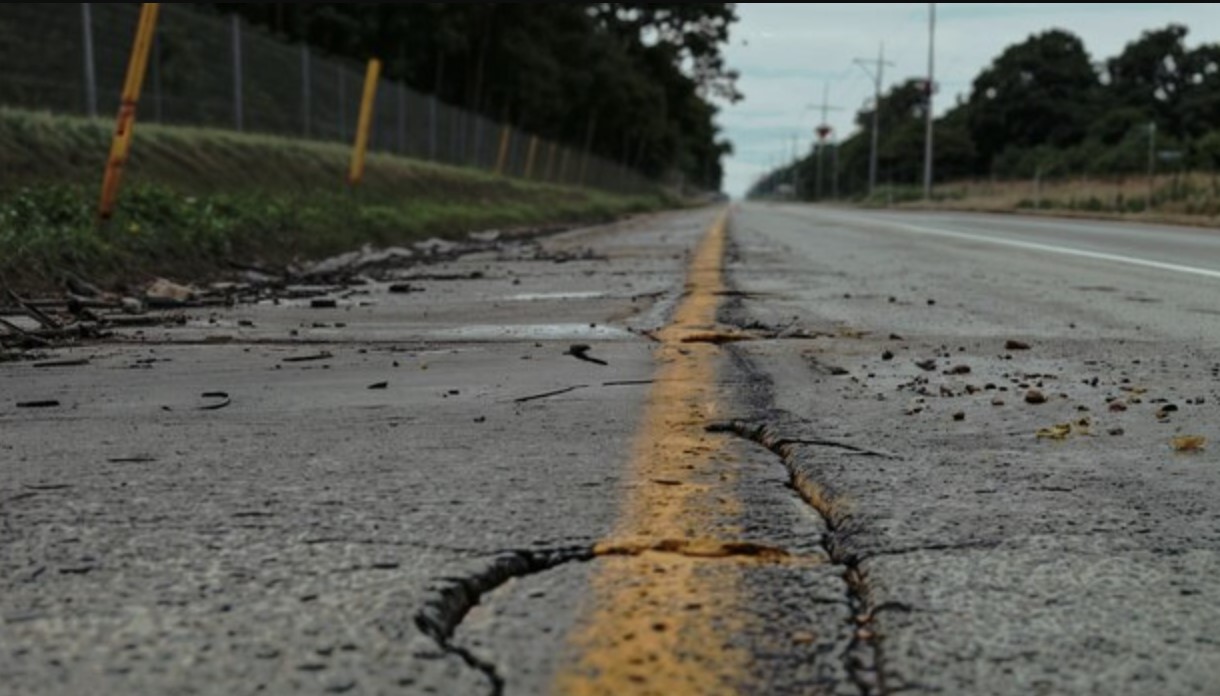
Asih explained that much of her research focuses on disaster studies. One of her widely recognized research areas is the use of artificial intelligence to support rapid disaster assessment, especially in relation to earthquakes.
“Currently, I am widely known for our application of artificial intelligence to conduct rapid assessments and improve understanding of disasters, especially earthquakes,” she said.
According to Asih, this research has helped draw wider attention to her scientific work. Her research in disaster studies is also connected to the L’Oréal-UNESCO For Women in Science award, which she received in 2020.
However, Asih admitted that she did not know the exact parameters used by Asian Scientist Magazine in selecting the names included in the list.
“I also do not know what became the basis for my selection into the list. That is why I was quite surprised,” she said.
Consistency as the Greatest Challenge in Research
In carrying out research, Asih believes that the greatest challenge does not only lie in funding, facilities, or collaboration, but also in maintaining consistency.
She noted that research and academic work often do not produce immediate visible results. The process is long, repetitive, and requires strong perseverance.
“The greatest challenge in research is consistency — how we keep ourselves motivated to continue doing research,” she said.
She added that the awards and attention she has received in recent years are something to be grateful for. Nevertheless, she emphasized that the research journey does not end with recognition.
“The journey of research and the effort to ensure that our research benefits wider society is still long. I hope I will continue to be given the opportunity and spirit to keep contributing,” she said.
Relevant and Collaborative Research
.jpg)
Asih emphasized that academic research should not be separated from social issues. For her, academic publication and social impact are not two opposing goals, as the research questions she works on are rooted in real needs in the field, especially in the context of disasters.
“The research I conduct is certainly useful for society. I do not think there is any research that is not beneficial to society. There is no research that lives in an ivory tower,” she said.
In developing her research, Asih has been involved in many cross-disciplinary and cross-institutional collaborations, both within and outside ITB. She has also worked with collaborators from Indonesia and abroad. According to her, a collaborative approach is important because disaster-related issues cannot be understood from only one scientific perspective.
“We have conducted many multidisciplinary studies. We have also carried out many cross-institutional research projects,” she said.
Women in Science
As a woman scientist, Asih sees that opportunities to contribute in the world of science are becoming increasingly open. She believes that access to opportunities, including research grants, is essentially the same for both men and women.
“In terms of opportunities as a woman, the opportunities are actually the same for men and women. There is no difference in opportunity,” she said.
However, she acknowledged that one challenge often faced by women is the ability to balance time, roles, and responsibilities beyond academic work.
“What may become a challenge is the boundary between time, roles, and responsibilities, including many responsibilities outside of work,” she explained.
She also noted that many Indonesian women scientists have demonstrated strong achievements, including those listed in Asian Scientist 100.
“There are many Indonesian women scientists who have truly shown their strength,” she said.
A Creative Side Through The Akademisi
.jpg)
Beyond her academic and research activities, Asih also has a creative side through her involvement in the band The Akademisi. The band began with the idea of several lecturers who wanted to have an activity outside of work that could serve as a space for gathering and refreshing themselves.
“It actually started simply. A few of us lecturers found it difficult to meet outside of work. So we had the idea of creating an activity that could also be refreshing. Then we decided to form a band,” she said.
From this simple activity, The Akademisi later received several opportunities to perform at campus events. Asih said the band is also scheduled to perform on June 12 at the Ruang Kreasi Alumni event.
For Asih, music is part of maintaining balance in the life of an academic. Amid the routines of research, teaching, and various professional responsibilities, music provides a creative space that brings together collaboration, expression, and togetherness.
Asih’s inclusion in the Asian Scientist 100 list shows that the contributions of Indonesian scientists, including those from civil engineering and disaster studies, hold an important place in Asia’s scientific conversation. Through technology-based disaster research, cross-disciplinary collaboration, and a strong commitment to ensuring that research benefits society, Asih demonstrates that scientific work does not end with publication. It must also respond to the real needs of the community.
Reporter: Merryta Kusumawati (Geodesy and Geomatics Engineering, 2025)
.jpg)

.jpeg)
.jpg)
.png)
.jpg)